Which Textile Certifications
Actually Matter
18 certifications explained, from GOTS and OEKO-TEX to GRS and ISO 9001. Know what to demand from your factory before you sign any production contract.
.jpeg)
What brands get wrong
Certifications are not all created equal
Most certifications in the textile industry are voluntary, which means a factory can skip them entirely and still produce legally. A few are effectively mandatory for products sold in the EU. Knowing the difference protects you from both unnecessary costs and real compliance risks.
- Verify every certificate number onlineGOTS, OEKO-TEX, and GRS all have public databases. Never trust a PDF alone
- Scope matters as much as the certificate itselfSome certs cover the full supply chain, others only the cut-and-sew stage. Ask what's included
- REACH compliance is not optional for EU market accessChemical regulation under REACH applies to all products sold in the EU regardless of where they're made
- Certification status can lapse between auditsAsk for the expiry date on every certificate, not just the issue date
Most textile certifications are voluntary. However, some EU regulations make certain compliance requirements effectively mandatory for products sold in the EU, particularly chemical safety under REACH and CE marking for technical textiles. The EU's new Digital Product Passport regulation (rolling out 2025-2030) will also require traceability documentation that voluntary certifications help provide.
Mandatory vs. voluntary: a clear comparison
The most common certifications, categorised by whether they're required for EU market access or chosen by brands and factories.
| Certification | Type | What it covers | Who audits |
|---|---|---|---|
| REACH | EU Mandatory | Restricts hazardous chemicals in textiles sold in the EU market | EU enforcement authorities |
| CE Marking (technical textiles) | Mandatory | Required for PPE, workwear, and technically regulated textile products | Notified bodies (varies) |
| OEKO-TEX Standard 100 | Voluntary | Tests every component for 100+ harmful substances: fabric, buttons, thread | OEKO-TEX Association labs |
| GOTS | Voluntary | Organic textile standard covering the full supply chain from fibre to finished product | GOTS-approved certifiers (e.g. Control Union) |
| GRS 13 Global Recycled Standard | Voluntary | Verifies recycled content claims across the full supply chain | Control Union, Bureau Veritas, others |
| ISO 9001 | Voluntary | Quality management system: consistency and process control in production | Accredited ISO certifiers |
| ISO 14001 | Voluntary | Environmental management system: waste, water, and energy at factory level | Accredited ISO certifiers |
| Fairtrade Textile Standard | Voluntary | Fair wages and safe conditions through the supply chain | FLOCERT |
3 questions to ask every factory about their certifications
Before you trust a factory's certification claims, run through this checklist every time.
1
Can I see the certificate number?
GOTS, OEKO-TEX, GRS, and ISO certifications all have unique certificate numbers. Look them up directly in the issuing body's public database: gots.org, oeko-tex.com, textileexchange.org. A factory that holds the cert will give you the number without hesitation.
2
What scope does the certification cover?
Ask whether the certificate covers the specific step you're using: cut-and-sew, dyeing, finishing, or the full chain. A factory can hold GOTS certification for one process and not another. "GOTS certified" is not the same as "your product will carry a GOTS label."
3
When was the last audit, and when does it expire?
Most certifications are audited annually. Ask for the expiry date on the current certificate. A lapsed certificate is worthless. Some factories don't rush to renew if no one's checking. Ask for the renewal date before you place an order.
Need a GOTS or OEKO-TEX certified factory in Portugal?
Our group includes manufacturers across Porto, Braga, and Guimarães with verified GOTS, OEKO-TEX 100, and ISO 9001 certifications. Send your brief and we'll match you with the right factory within 7 days.
Certifications that verify environmental claims
The standards brands most often put on hangtags and sustainability pages. All voluntary, all verifiable.
GOTS 13 Global Organic Textile Standard
The most credible standard for organic textiles. Covers the entire supply chain from fibre to finished product, including social criteria for workers. Requires minimum 70% organic natural fibres.
Sustainability
OEKO-TEX Standard 100
Tests every component of the finished product: fabric, thread, buttons, labels, for over 100 harmful substances. One of the most widely recognised consumer-facing labels in European fashion retail.
Sustainability
GRS 13 Global Recycled Standard
Verifies recycled content claims through the supply chain. Required if you want to make a specific recycled content percentage claim. Covers both pre- and post-consumer recycled materials.
Sustainability
EU Ecolabel for Textiles
The EU's official environmental label for textile products. Covers restricted substances, water and energy use in production, and durability criteria. Harder to achieve than OEKO-TEX but carries strong EU institutional credibility.
Sustainability
STeP by OEKO-TEX
Sustainable Textile and Leather Production: certifies the factory facility itself across six modules, including chemicals management, environmental performance, occupational health and safety, social responsibility, and quality management.
Sustainability
bluesign System
Focuses specifically on resource efficiency and chemical safety in wet processes: dyeing, printing, finishing. Particularly relevant for brands producing synthetic or performance fabrics where chemical input management matters most.
Sustainability
Certifications that verify production quality and product safety
Standards that tell you a factory runs consistent processes and that your product meets safety requirements for the markets you're selling into.
ISO 9001 13 Quality Management
The global benchmark for quality management systems. Certification means the factory has documented processes for consistent production output, error tracking, and continuous improvement. One of the most useful certifications to require from a new supplier.
Quality
ISO 14001 13 Environmental Management
Covers the factory's environmental management system: waste handling, water treatment, energy use, emissions. Not about the product itself, but about how the factory operates. Increasingly required by large retail buyers.
Quality
REACH Compliance
The EU's chemical regulation, restricting substances of very high concern (SVHC) in products placed on the EU market. Not a certification per se but a legal requirement. Ask factories for their REACH compliance documentation, especially for dyed or treated fabrics.
Quality
CE Marking (Technical Textiles)
Required for textile products classified as Personal Protective Equipment (PPE), medical textiles, or technically regulated products. If you're making workwear, outdoor protective gear, or medical garments for the EU market, CE marking is mandatory.
Quality
UV Standard 801
Certifies UV protection performance in textiles. Tested under the most demanding real-world conditions: wet and worn states. Required if you want to make UPF claims on swimwear, sportswear, or sun-protective clothing.
Quality
NP 4469-1 13 Portuguese Sustainability Standard
Portugal's national social responsibility standard for textile and clothing production. Less internationally recognised than ISO certifications but signals strong alignment with Portuguese regulatory practice. Useful for brands specifically targeting sustainability claims tied to made-in-Portugal provenance.
Quality
Certifications that verify fair labour and ethical production
The standards that cover how the people making your clothes are treated: wages, safety, working hours, and freedom of association.
SA8000 13 Social Accountability
One of the most rigorous social compliance standards. Covers child labour, forced labour, health and safety, freedom of association, discrimination, working hours, and remuneration. Factory audits are conducted by accredited certification bodies.
Social
Fair Wear Foundation
A multi-stakeholder initiative focused on improving working conditions in garment factories. Unlike a one-time audit, Fair Wear is an ongoing programme: brands join, commit to improvement, and are scored annually. Strong reputation in European sustainable fashion.
Social
Fairtrade Textile Standard
Covers fair wages, safe working conditions, and the right to organise through the supply chain. The Fairtrade premium, paid on top of market price, funds worker welfare programmes. More established in cotton sourcing than in garment manufacturing.
Social
OCS 13 Organic Content Standard
Verifies the presence and amount of organic material in a finished product. Less comprehensive than GOTS (no chemical or social requirements beyond chain of custody), but useful for products with partial organic content that don't qualify for full GOTS certification.
Social
RWS 13 Responsible Wool Standard
Covers animal welfare on farms and land management, chain of custody through processing. Required if you want to make credible responsible wool claims: especially relevant for Portuguese factories working with Merino or Covilha fine wool.
Social
Higg FEM 13 Facility Environmental Module
The Sustainable Apparel Coalition's factory environmental assessment tool. Measures energy, water, waste, and air emissions at facility level. Not yet a consumer-facing label but increasingly used by large brands for internal supplier scoring and due diligence.
Social
Frequently asked questions
Straight answers on certifications and what they mean for your production.
Do Portuguese factories typically hold GOTS certification?
Yes, more so than most other European manufacturing countries. Portugal's textile cluster in the north (Porto, Braga, Guimarães) has a significant share of GOTS-certified factories, partly driven by demand from Scandinavian and German sustainable brands who source heavily from Portugal. That said, not all factories hold it. Always verify the certificate number at gots.org before committing.
Is OEKO-TEX the same as GOTS?
No, and the difference matters. OEKO-TEX Standard 100 tests the finished product for harmful substances: it tells you the garment is safe to wear. GOTS covers the entire production process and supply chain, including organic fibre sourcing, chemical management, and social standards at the factory. OEKO-TEX is widely held; GOTS is more demanding and more meaningful for brands making organic claims.
Can I put a GOTS label on my product if my factory has GOTS but my fabric supplier doesn't?
No. GOTS is a full supply chain standard: every step from fibre to finished product must be covered. If your fabric comes from a non-GOTS source, the finished garment cannot carry a GOTS label even if your cut-and-sew factory is certified. This is the most common misunderstanding brands make when starting sustainable production.
What certifications do I actually need for a small brand starting out?
For most small brands, the priority list is: (1) REACH compliance, non-negotiable for EU market access; (2) OEKO-TEX 100, a strong consumer signal achievable from most serious Portuguese factories; (3) ISO 9001, quality management that tells you the factory runs consistent processes. GOTS and SA8000 matter more once you're making volume-based sustainability claims to large retail buyers.
How do I verify a factory's certification is still valid?
Go to the issuing body's public database directly. For GOTS: gots.org/public-database. For OEKO-TEX: oeko-tex.com/en/our-standards/oeko-tex-standard-100. For GRS: textileexchange.org/integrity/scope-certificates. Enter the factory name or certificate number. If the factory can't give you a certificate number, that's a red flag.
Do Portuguese factories that aren't certified still produce to a high standard?
Yes. Many excellent Portuguese factories don't hold GOTS or even ISO 9001, particularly smaller family-run workshops. Certification is a signal, not the only signal. We assess our factory group on quality output, responsiveness, and track record, not just certificate collection. That said, for brands making specific sustainability claims, the documentation matters.
What's the difference between BCI Cotton and organic cotton?
BCI (Better Cotton Initiative) is a training and improvement programme, not a product-level certification: BCI cotton cannot be physically tracked from farm to garment. Organic cotton certified to GOTS or OCS, on the other hand, is physically traced through the chain. BCI is a volume credit system; organic certification is per-unit traceability. They are not interchangeable for consumer-facing claims.
From the PCF blog
Practical guides for fashion brands navigating production standards.
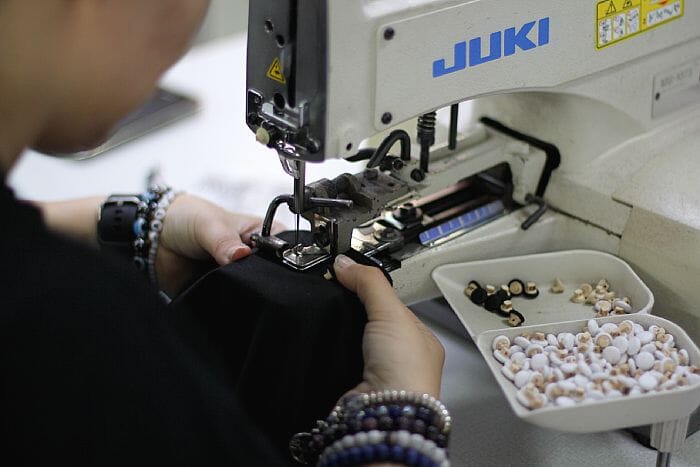
Certifications
GOTS Certification in Portugal: What Fashion Brands Need to Know
Which Portuguese factories hold GOTS, how to verify the certificate, and what it means for your product labels.
Read guide →
.jpeg)
Sourcing
How to Find a Clothing Manufacturer in Portugal
The practical process for locating and assessing Portuguese garment factories, including what to look for beyond certifications.
Read guide →
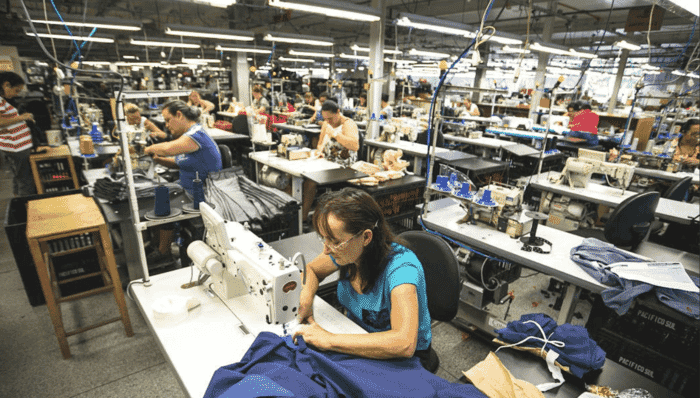
Production
CMT vs Full Package Production in Portugal: Which Is Right for Your Brand?
How the two main production models affect your costs, control, and certification options.
Read guide →
Need a certified Portuguese factory matched to your brief?
We match fashion brands with documented manufacturers holding GOTS, OEKO-TEX, ISO 9001, and other certifications across Porto, Braga, and Guimarães. Send your brief by email and get a reply within 24 hours.
