The Organisations Behind Portuguese Textile Manufacturing | Portugal Clothing Factory
Sector Guide · 2026
The Organisations Shaping Portuguese Textiles
From industry associations to research institutes and trade press: the 12 institutions that set standards, certify factories, and keep Portugal's €12 billion textile sector moving.
What most brands miss when they start sourcing in Portugal
Most brands search for a factory without understanding who certifies and regulates them. Knowing these organisations makes you a sharper buyer: you can verify claims, understand standards, and spot a factory that's genuinely invested in quality versus one that just says so.
ATP sets the industry standardsAssociation guidelines shape what factories can claim, and what you can hold them to
CITEVE runs the labs that back up the certificationsWhen a factory claims OEKO-TEX or GOTS, that audit trail often leads to CITEVE
AICEP actively connects international brands to local suppliersPortugal's national trade agency can facilitate introductions for serious buyers
Trade press tracks capacity before it hits LinkedInPortugal Textil and T Jornal cover factory news, closures, and cluster shifts months ahead
Industry Associations
The bodies that represent Portuguese manufacturers
These associations negotiate for the industry, set member standards, and are the first call when you want to understand factory capabilities across Portugal.
1ATP — Associação Têxtil e Vestuário de PortugalThe main textile and apparel trade association in Portugal, representing over 1,400 member companies across fibre, spinning, weaving, finishing, and garment production. ATP lobbies at EU level, publishes sector statistics, and sets benchmarks that member factories follow. If a factory is serious about the industry, they're an ATP member.Visit ATP.pt →
2ANIVEC / APIV — Clothing Industry AssociationANIVEC/APIV specifically represents garment manufacturers and knitting specialists. If you're producing tops, knitwear, or jersey pieces in Portugal, you're almost certainly working with an ANIVEC member. The association tracks MOQ trends, wage data, and export statistics for the garment category specifically.Visit ANIVEC.com →
Need a factory that meets ATP or ANIVEC standards?
Our 80 documented manufacturers include certified ATP and ANIVEC members across Porto, Braga, Guimarães, and Barcelos. Send your brief by email and we match you within 7 days, or the deposit is refunded.
The institutes that keep Portuguese factories competitive
Testing centres, university labs, and innovation hubs that verify certifications and develop new production processes. These are the institutions your factory's lab reports ultimately trace back to.
3CITEVE — Centre for Technology and FashionPortugal's leading textile technology centre. CITEVE runs accredited testing labs, issues certifications for OEKO-TEX, GOTS, and REACH compliance, and supports factory R&D programmes. When your factory claims a sustainability certification, the audit trail often runs through CITEVE's labs in Vila Nova de Famalicão.Visit CITEVE.pt →
4CENIT — National Centre for Textile ResearchCENIT focuses on long-range strategic research: material innovation, smart textiles, circular economy applications. Less about day-to-day certification, more about where the industry is heading. Useful context for brands building a sourcing strategy beyond the next collection cycle.Visit CENIT.com.pt →
5UMinho DET — Department of Textile EngineeringThe University of Minho's textile engineering department, based in Guimarães, produces the majority of Portugal's textile engineers and collaborates with factories on innovation projects. The academic backbone of the northern textile cluster: most senior factory technicians trained here or trained under people who did.Visit UMinho.pt →
62C2T — Centre for Science and Textile Technology2C2T bridges the University of Minho and the textile industry, focusing on applied innovation in technical textiles, functional finishes, and sustainable production methods. Particularly relevant for brands in performance wear, technical outerwear, or any category requiring certified functional properties.University of Minho →
Training
Where Portuguese factories build their workforce
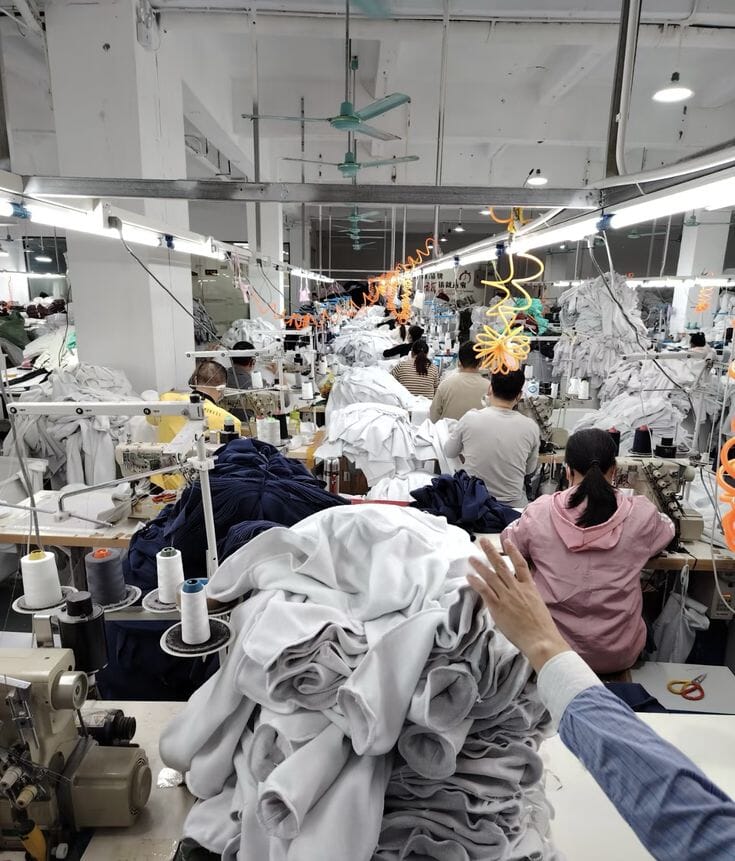
Workforce quality is one of the main reasons Portuguese garments carry a price premium. The finishing standard you receive from a northern Portugal factory is not accidental: it comes from a structured training infrastructure that has existed for generations.
7MODATEX — Fashion and Textile Training CentreMODATEX trains seamstresses, pattern cutters, and production technicians for the Portuguese apparel industry. Most experienced workers in Porto and Braga factories will have completed MODATEX courses. Their training standards directly affect the finishing quality and consistency of your production runs.Visit MODATEX.pt →
Trade Media
Where the industry reads the news
The publications that track factory capacity, market shifts, and industry changes: useful context before entering a negotiation or making a long-term supply commitment.
8T Jornal — Textile Industry JournalThe main trade publication covering Portugal's textile and apparel sector. Tracks factory news, business results, workforce trends, and sector-wide data. Read by factory managers and executives across the northern cluster. Primarily in Portuguese: worth bookmarking if you read PT or work with a translator.Visit T-Jornal.com →
9Portugal TêxtilA bilingual portal (PT/EN) covering Portuguese textile news for an international audience. Factory investments, export statistics, sustainability initiatives, and sector events. Useful for brands tracking the industry from outside Portugal who want reliable English-language sourcing context.Visit PortugalTextil.com →
Export & Heritage
Official bodies and heritage institutions
Government export agencies that support inward investment, and museums that document the long manufacturing tradition behind Portugal's textile cluster.
10AICEP — Trade & Investment Agency of PortugalPortugal's official trade and investment promotion agency. AICEP runs international trade missions, maintains a supplier database for foreign buyers, and can facilitate introductions to Portuguese manufacturers for brands serious about long-term production partnerships.Visit PortugalGlobal.pt →
11Museu de Lanifícios — Wool Museum (UBI)Located in Covilhã, the Wool Museum documents Portugal's centuries of fine wool production. For brands interested in heritage provenance or working with Covilhã's wool specialists, this institution frames the long lineage behind what those factories produce today.Visit Museum →
12Museu da Indústria Têxtil — Ave ValleyBased in Vila Nova de Famalicão, this museum documents the social and industrial history of the northern cluster: the region that still produces the majority of Portugal's garment exports. Context that matters when you're choosing where to place your production.Visit Museum →
From the PCF blog
Practical guides for fashion brands sourcing in Portugal.
Ready to find the right Portuguese factory for your brand?
We match fashion brands with documented manufacturers across Porto, Braga, Guimarães, and the Ave Valley. Send your brief by email, get a reply within 24 hours, and a factory match within 7 days, or the deposit is fully refunded.