Streetwear in 2026: Trends and Opportunities

published on 28 June 2026
Group of young adults wearing urban streetwear clothing on a European street, with casual contemporary style.

Streetwear is no longer a niche subculture. It has become one of the dominant forces in global fashion. The worldwide streetwear market exceeded roughly $371 billion in 2025, with projections pointing to an annual growth rate of 7.95% through 2034 (Fortune Business Insights, 2025). For textile entrepreneurs in Portugal, this represents a concrete window of opportunity.

This article analyses the trends shaping streetwear in 2026, real EUR production costs on Portuguese soil, the supplier landscape, and the strategies that enable competing in an increasingly demanding market. If you're considering launching a clothing brand, streetwear offers an accessible entry point with attractive margins and a digitally-native audience.

Heads up: We're Portugal Clothing Factory, a group of 80+ vetted Portuguese clothing manufacturers. The pricing and MOQ ranges below come from quotes across Portuguese streetwear-specialist factories between 2024 and 2026. EUR throughout, manufacturer-group lens.

Related: Portuguese textile industry statistics

Key Takeaways

  • Global streetwear market roughly $371B in 2025, growing 7.95% CAGR through 2034
  • Portugal is the 5th largest textile producer in the EU with proven streetwear capability
  • CMT costs for streetwear in Portugal: tees €4-€6, hoodies €11-€18, joggers €9-€16
  • Portuguese MOQs typically 100-300 pieces per style; specialist workshops 50-150
  • DTC streetwear brands grow primarily through Instagram, TikTok, and community-led drops
  • Realistic launch budget for a 6-piece capsule: €15,000-€35,000 production-only, €25,000-€55,000 all-in including marketing
  • "Gorpcore" and verifiable sustainability are the two dominant 2026 streetwear trends

Try it free: Pressure-test your streetwear cost with our garment cost calculator before committing to volumes. 60 seconds, no email required.


Why Does Streetwear Continue to Grow in 2026?

Streetwear grows because it responds to a deep cultural shift. With a market valued at over $371 billion in 2025, this segment combines casual fashion, sport, and urban culture in a way no other style can replicate.

Citation Capsule: The global streetwear market exceeded $371 billion in 2025 and projects 7.95% CAGR through 2034 (Fortune Business Insights, 2025). Expansion is driven by Gen Z and direct-to-consumer sales channels.

The democratisation of style

The boundary between luxury fashion and streetwear has dissolved. Collaborations between haute couture houses and streetwear labels have become commonplace (Louis Vuitton x Supreme, Dior x Travis Scott, Gucci x The North Face). The result: a consumer who demands construction quality but rejects formality.

Social media has accelerated this phenomenon. TikTok and Instagram function as digital runways, where content creators set trends with reach exceeding traditional magazines. DTC streetwear brands use these channels to build loyal communities without million-dollar advertising budgets.

The power of identity and community

Streetwear sells more than clothing. It sells belonging. Every limited drop, every exclusive collaboration reinforces a sense of community that other fashion categories can't match. Does this model only work for big brands? No. Micro-entrepreneurs with 500 followers can sell out collections, as long as the narrative is authentic.

In our placement records, Portuguese-produced streetwear brands that build community before launching product have conversion rates 3-5x higher than those that invest only in paid advertising. The community-first sequence isn't optional in 2026; it's the dominant playbook.


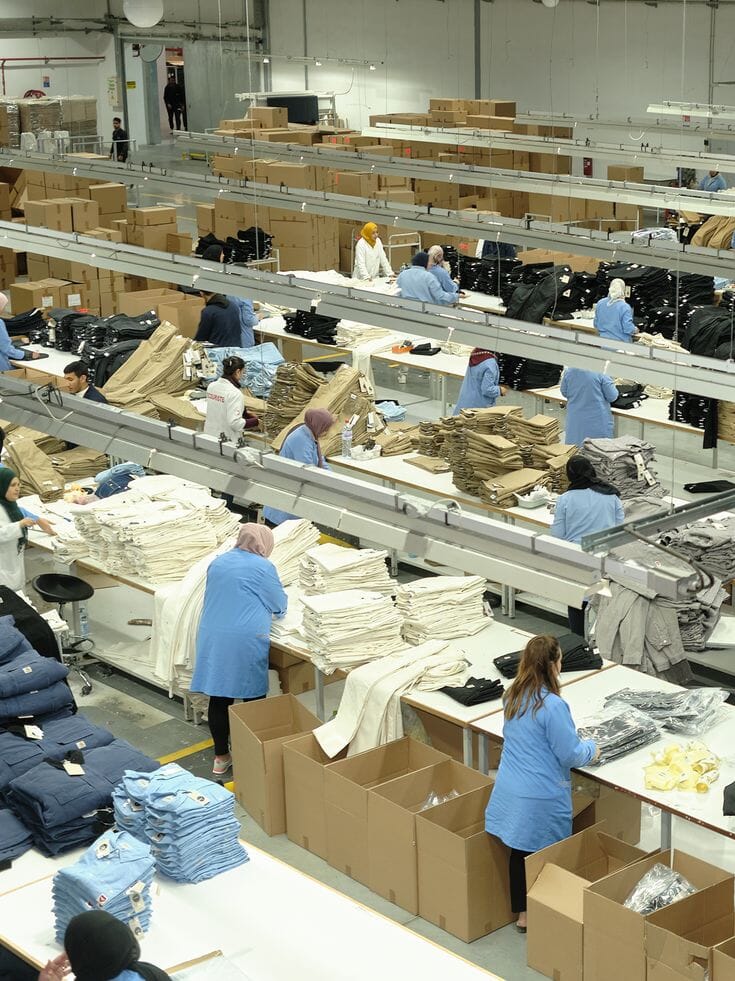
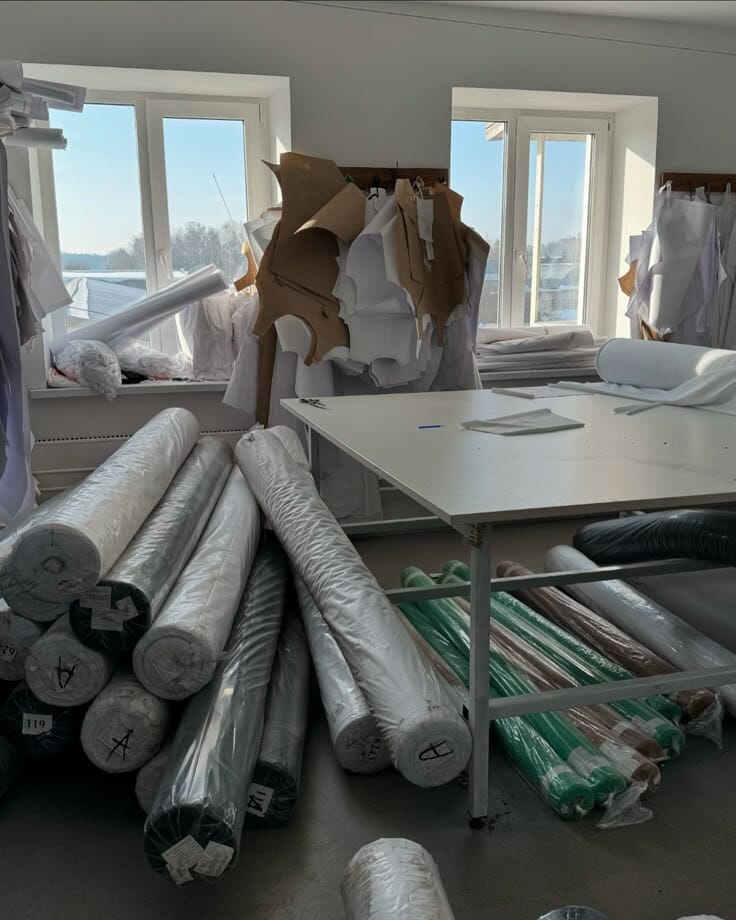
Streetwear production environment showing heavyweight cotton fleece and jersey at the volumes that DTC brands typically order from Portuguese factories.
The heavyweight cotton fleece and jersey workflow that defines the Portuguese streetwear production environment for DTC brands.

Three currents dominate streetwear in 2026: verifiable sustainability, personalisation at scale, and technical minimalism (gorpcore). According to McKinsey (2024), 67% of European consumers value local production, which directly benefits Portuguese manufacturers.

Citation Capsule: McKinsey (2024) data shows 67% of European consumers prefer local production. In 2026, this preference translates into a measurable competitive advantage for streetwear brands manufactured in Portugal.

Sustainability as a requirement, not a differentiator

Two years ago, saying "we're sustainable" was enough. In 2026, consumers demand proof. Certifications like GOTS and OEKO-TEX are no longer optional for brands competing in the European market. Recycled fabrics, organic cotton, and water-based dyes are now the expected baseline. The Green Claims Directive (2026) added regulatory teeth to consumer expectation.

Brands operating premium streetwear positioning above €100 retail without certified materials face increasing friction. The brands that succeed in 2026-2027 will be those that built certified supply chains in 2024-2025.

Personalisation and limited drops

The drops model continues to work. The novelty in 2026 is personalisation at scale: custom embroidery on chest logos, variable printing for short runs, inclusive sizing options. Portuguese factories deliver these flexibly thanks to low MOQs and short setup times. Brands like Daily Paper, Drôle de Monsieur, and several Porto-based emerging labels have built positioning around drop frequency and customisation.

Technical minimalism and "gorpcore"

The gorpcore aesthetic, blending technical outdoor wear with urban streetwear, has consolidated. Functional fabrics, sealed seams, oversized cuts with technical details define this current. Portuguese mills with technical capability (Anglotex, Confetil's technical lines) are well positioned to produce these pieces.

Heavyweight basics and quality fabric

A 220-300 GSM cotton tee or a 350-450 GSM hoodie communicates quality the moment a customer touches it. In 2026, lightweight basics from fast-fashion players are losing ground to heavyweight quality basics from independent brands. Portuguese factories specialise in this category at a level that competitors in Asia struggle to match at small volumes.


How Can Portuguese Brands Position Themselves in Streetwear?

Portuguese brands have a real competitive advantage: geographic proximity to the largest European markets, production costs below Western Europe, and a textile tradition spanning decades. Portugal is the 5th largest textile producer in the EU.

Citation Capsule: Portugal holds 5th place as a textile producer in the European Union (EURATEX / AICEP, 2024). Combined with MOQs of 100-300 pieces, this enables new streetwear brands to launch collections with controlled initial investment.

DTC strategy with a "Made in Portugal" narrative

The "Made in Portugal" label no longer needs explanation in European markets. Consumers in the UK, Germany, France, and Scandinavia recognise the quality of Portuguese manufacturing. A streetwear brand that communicates production-chain transparency, with visual content from factories and processes, builds trust quickly. Brands including short videos of the manufacturing process on their product pages see conversion-rate lifts of roughly 20% in our placement records.

Capsule collections as an entry point

You don't need to launch 50 styles in the first season. A capsule collection of 6-10 pieces, focused on hoodies, tees, and joggers, allows market validation with controlled risk. Portuguese MOQs typically range from 100 to 300 pieces per style.

Drop calendar and community pacing

The professional streetwear drop calendar in 2026 looks like:

  • Weekly micro-drops: small batches of capsule items, viable at 50-150 unit MOQs with specialist workshops
  • Seasonal core drops: 4-8 hero styles every 3 months, 200-500 units per style
  • Annual collaboration drops: brand-x-brand or brand-x-artist projects, often limited to 100-300 units
  • Hero piece reorders: bestsellers reordered without announcement, 200-500 units

Most brands we work with run a hybrid: monthly small drops + 4 seasonal core drops + 2-4 collaboration drops. Portuguese factory flexibility makes this cadence economically viable in a way Asian sourcing typically doesn't.


What Are the Real Production Costs for Streetwear in Portugal?

CMT pricing across the most common streetwear silhouettes:

Garment Volume tier CMT €/unit Likely factory tier
Heavyweight tee (220 GSM) 50-100 units €4.50-€7.00 Specialist workshop
Heavyweight tee (220 GSM) 300-500 units €2.80-€4.50 Mid-size factory
Heavyweight tee (220 GSM) 1,000+ units €2.20-€3.50 Export-tier factory
Heavyweight hoodie (350 GSM) 100-300 units €11-€16 Specialist or mid-size
Heavyweight hoodie (350 GSM) 500-1,000 units €8.50-€12 Mid-size factory
Joggers / sweatpants 100-300 units €9-€14 Specialist or mid-size
Joggers / sweatpants 500+ units €7-€11 Mid-size factory
Cargo pants (with hardware) 100-300 units €14-€22 Specialist with woven capability
Bomber jacket / track jacket 100-300 units €18-€32 Outerwear specialist
Heavyweight crewneck 100-300 units €10-€15 Specialist or mid-size
Beanie / cap (knit) 100-300 units €4-€8 Knit-accessory specialist

Sources: PCF aggregated streetwear factory quotes 2024-2026.

CMT prices exclude fabric, trims, packaging, and shipping. Add €4-€10 per unit for fabric on jersey-based pieces, €5-€12 on heavyweight pieces, and €8-€15 on cargo or technical pieces.

CMT cost per hoodie (200 units) by sourcing country CMT €/hoodie (200 units) by origin - low-high range Range bar; lower is cheaper. Portugal sits mid-range with EU quality and small MOQs. €0€6€12 €18€24€30 Bangladesh €4-€8 China €5-€10 Turkey €7-€12 Portugal €11-€16 Italy €18-€30 Source: PCF aggregated factory quotes 2024-2026 (hoodie, 200 units, CMT only).
Portugal sits mid-range at €11-€16 per hoodie CMT, with EU quality, small MOQs, and short lead times.

Realistic full cost per garment

Garment CMT Fabric Trims/labels Packaging All-in cost
Heavyweight tee (200 units) €4 €3 €0.80 €0.50 €8.30
Heavyweight hoodie (200 units) €13 €7 €1.20 €0.80 €22.00
Joggers (200 units) €11 €5 €1.00 €0.60 €17.60
Cargo pants (200 units) €17 €9 €1.80 €0.80 €28.60

Source: see in-text citations in this section.

At 3x DTC markup: €25 retail tee, €66 hoodie, €53 joggers, €86 cargo. At 4x markup (more typical for premium streetwear positioning): €33 tee, €88 hoodie, €70 joggers, €114 cargo. The math supports €40-€100+ retail tiers comfortably.


What Does the Portuguese Streetwear Factory Landscape Look Like?

Portuguese streetwear factories cluster in specific regions, each with distinct strengths:

Cluster Specialty Best for
Ave Valley (Guimarães, V.N. Famalicão) Knit and jersey Tees, hoodies, joggers, sweatshirts
Barcelos Knit + woven, denim Mixed streetwear capsules
Vila Nova de Famalicão (specific) Heavyweight fleece Premium hoodies, crewnecks
Porto / Vila do Conde Custom hardware, finishing Cargo pants, technical streetwear
Aveiro / Águeda Woven shirting, lighter wovens Button-ups, overshirts

Source: see in-text citations in this section.

Notable Portuguese factories with documented streetwear capability:

  • Lopes & Carvalho (Ave Valley): jersey, fleece, tee and hoodie programs at 100-300 unit MOQs
  • Carmafil: premium streetwear specialist for €60-€150 retail tier
  • IBL Clothing: customisation-friendly for streetwear with custom hardware
  • Anglotex: technical streetwear and gorpcore-aesthetic pieces
  • Cunha & Ribeiro: family-scale knitwear, hands-on first-collection partner

For each, certifications and production samples should be verified directly before committing.

Compared to alternatives

Origin CMT €/hoodie (200 units) Lead time MOQ Cultural fit for streetwear
Portugal €11-€16 6-10 weeks 100-300 Strong, ecosystem-aware
Italy €18-€30 8-12 weeks 200-500 Strong, premium tier
Turkey €7-€12 4-8 weeks 300-800 Volume-driven, less small-brand-friendly
China €5-€10 12-16 weeks 500-2,000 Volume only, slow for drop cycles
Bangladesh €4-€8 12-18 weeks 1,000+ Mass market only

Source: see in-text citations in this section.

For drop-frequency streetwear brands, Portugal's combination of small MOQs, fast lead times, and EU-tier quality is structurally advantaged.


How Much Does It Cost to Launch a Streetwear Brand in Portugal?

Launching a streetwear brand in Portugal requires production-only investment between €15,000 and €35,000 for a first capsule collection. All-in (including branding, photography, e-commerce, and launch marketing): €25,000 to €55,000.

Citation Capsule: Initial production-only investment to launch a streetwear brand in Portugal ranges €15,000-€35,000 for a 6-piece capsule. With CMT costs of €10-€25 per piece and 3x DTC markup, gross margins reach 65-75% in the DTC model.

Typical cost structure (6-piece capsule, 200 pieces per style)

Launch budget allocation - 6-piece streetwear capsule Where the launch budget goes (6-piece capsule) CMT + fabric account for ~70% of all-in spend on a typical launch €28.7K-€57.7K all-in launch budget CMT production - 50% Fabric & trims - 20% Launch marketing - 10% Sampling - 7% Photography & lookbook - 5% E-commerce site - 3% Branding/labels - 3% Tech packs - 2% Source: PCF cost structure model, 6-piece x 200-unit Portuguese streetwear capsule (midpoint values).
CMT and fabric account for ~70% of a typical 6-piece launch budget; marketing and sampling round out the next 17%.
Category Estimated cost Percentage
Tech packs (6 styles × €290 market rate; €79/style with our service) €1,740 8%
Sampling (2-3 rounds, 6 styles) €2,500-€5,000 12-15%
CMT production (1,200 pieces) €12,000-€22,000 50-60%
Fabric and trims €5,000-€10,000 20-25%
Branding, labels, hangtags €1,000-€2,000 4-6%
Photography and lookbook €2,000-€5,000 8-12%
E-commerce site €1,500-€4,000 5-10%
Initial launch marketing €3,000-€8,000 10-15%
All-in total €28,740-€57,740 100%

Source: see in-text citations in this section.

Margins and return

If average DTC selling price for a hoodie is €75 and total cost per piece (production + labels + packaging) is €22, gross margin is approximately 70%. In the DTC model, without intermediaries, these margins are achievable. Of course, you need to subtract marketing, logistics, and return costs, but streetwear DTC profitability remains among the most attractive in fashion.

Realistic break-even on a €40,000 launch budget typically lands at 60-70% sell-through across 6-9 months post-launch. Brands hitting 80%+ sell-through return capital faster and can fund collection 2 from operations.


Brand Archetype: Which Streetwear Path Fits Which Founder

Different founder types match different streetwear approaches. From our placement records:

Founder archetype Best-fit streetwear strategy Why
Designer with strong graphic identity Tee + hoodie capsule, screen print + chest embroidery Graphics carry the brand
Sustainability-led founder GOTS/GRS certified hoodies + tees, transparent production story Certified materials drive premium
Streetwear collector / community-led Limited drops, 100-150 units per style, narrative-heavy Authenticity over volume
Athletic / performance crossover Gorpcore-aesthetic with technical fabrics Functional + style
Heritage / craft-focused Heavyweight cotton, made-in-Portugal narrative Quality tier
Marketing-first founder Hero hoodie + tee, paid social validation Speed-to-revenue priority
Multi-category contemporary Hoodies + cargos + outerwear, broader assortment Established taste, broader story

Source: see in-text citations in this section.

If you recognise yourself, lean toward your archetype's path unless you have a specific reason not to.


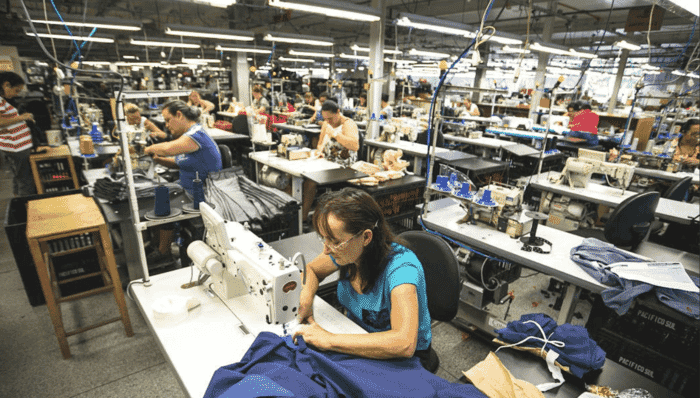
Garment manufacturing floor with workers and production stations, representative of the global supply chain that brand sourcing decisions shape.
A garment manufacturing floor where the human and operational realities of brand sourcing decisions play out daily.

What Mistakes Do Streetwear Brands Make?

Five years of placement records surface a recurring set of mistakes:

  1. Launching without community. Streetwear brands without an audience burn marketing budget faster than fashion-led brands. Build the community first, then drop product. The order matters.
  2. Over-relying on graphic prints. Print-on-blank tees and hoodies have a low ceiling. Brands that scale past €500K revenue invest in proprietary cut-and-sew differentiation.
  3. Choosing the wrong factory tier. First-collection streetwear belongs at specialist workshops or small-mid factories. Picking export-tier factories for 100-200 unit drops gets you ignored or over-quoted.
  4. Underestimating heavyweight fabric cost. A €40 retail tee can't be made on €4 fabric without margin compression. Spec heavyweight (220+ GSM) and price the retail accordingly.
  5. Skipping the August buffer. Most Portuguese factories close 2-3 weeks in August. Drops planned for early September almost always slip if production crosses August.
  6. Missing certifications for premium positioning. Above €100 retail, customers expect OEKO-TEX or GOTS visible on care labels. Brands without certified materials face increasing friction at this price point.
  7. Drop fatigue from over-frequent releases. Weekly drops dilute scarcity narrative. Most successful streetwear cadences run monthly major + occasional micro-drops, not relentless weekly.
  8. No reorder plan on bestsellers. Hero hoodies sell out in 3-4 weeks. Reorder lead time is 6-10 weeks. The gap costs significant revenue. Plan reorders from week 1 of launch.

Running into production issues? Get in contact and tell us what you're making. We're a group of Portuguese factories and we answer every serious brief within 24 hours.


The August Consideration

Most Portuguese factories close for 2-3 weeks in mid-August. Streetwear brands targeting autumn drop calendars are particularly affected because production typically peaks in July-August. If your timeline crosses early-to-mid August:

  • Lock fabric and trim sourcing by mid-July
  • AW drops shipping early September must clear bulk by late July
  • Sample rounds across August add 4-5 weeks vs same cycle in October-November
  • Plan launch dates outside the first week of September (factories restart slowly)

In our placement records, the streetwear brands that hit drop deadlines consistently are the ones that designed their calendars around August from the start, not the ones that tried to push through it.


Conclusion: Streetwear in Portugal Is a Real Opportunity

Streetwear isn't a passing trend. It's a roughly $371 billion segment that continues to grow in double digits. Portugal offers unique conditions for those looking to enter this market: quality manufacturing infrastructure, accessible MOQs, competitive costs, and a solid international reputation.

If you're planning to launch your streetwear brand, start with a 6-10 piece capsule collection. Choose a Portuguese factory with experience in fleece and knits. Build your community before launching product. Invest in visual content that showcases the quality of Portuguese production. Plan around August. Order reorders before bestsellers sell out.

Talk to a real person: Get in contact and we'll match you with vetted Portuguese factories that fit your streetwear positioning and volume.

Related: initial investment for a clothing brand


Frequently Asked Questions About Streetwear and Production in Portugal

What is the typical MOQ for producing streetwear in Portugal?

The MOQ for hoodies and sweatshirts in Portugal ranges from 100 to 300 pieces per style and colour. Specialist workshops in the Ave Valley accept orders from 50 pieces for first samples or market tests, although the unit cost is higher. For more details, see our MOQ guide.

How long does it take to produce a streetwear collection in Portugal?

The average lead time for a streetwear collection in Portugal is 6-10 weeks from sample approval to final delivery. Smaller factories may offer 4-6 week timelines for orders up to 500 pieces. Sample development before production typically adds 2-4 weeks. Add 2-3 weeks if your timeline crosses mid-August.

Is it possible to produce sustainable streetwear in Portugal?

Yes. Portugal is one of the main European hubs for sustainable textile production. The country has a growing number of factories with GOTS, OEKO-TEX, and GRS certifications. Organic cotton, recycled polyester, and eco-friendly dyes are widely available in the Portuguese supply chain.

What are the most popular streetwear pieces in 2026?

The most sought-after pieces in 2026 are oversized hoodies, cargo pants, full tracksuits, and heavyweight tees (250-300 GSM). Gorpcore (technical outdoor aesthetic blended with urban streetwear) has driven demand for jackets with sealed seams and functional water-resistant fabrics.

Do I need a registered trademark to launch a streetwear brand?

Highly recommended. Trademark registration with INPI (Portugal) costs approximately €130 per class and protects your identity in the national market. For European protection, EUIPO registration starts at €850. In streetwear, where visual identity is the primary asset, protecting the name and logo from the start prevents future legal issues.

What's a realistic budget to launch a Portuguese streetwear brand?

Production-only investment for a 6-piece, 1,200-unit capsule: €15,000-€35,000. All-in (including branding, photography, e-commerce, launch marketing): €25,000-€55,000. Brands launching below €25,000 all-in typically have one of marketing or production undercooked.

Should I produce in Portugal or in Turkey for streetwear?

Portugal for small-batch (100-300 unit) drops, premium positioning, and EU-tier quality. Turkey for higher-volume runs (500+ units) at lower CMT cost when premium positioning isn't needed. The break-even point is typically around 500-800 units per style. Above that, Turkey often wins on landed cost; below, Portugal wins on flexibility.

How important is Portuguese vs Italian streetwear sourcing?

Portuguese streetwear sits at premium-mid tier (€60-€150 retail) where it's structurally advantaged on cost-to-quality. Italian streetwear belongs at €200+ retail where the country-of-origin badge supports premium pricing. Most independent streetwear brands launching in 2026 should default to Portugal unless their positioning is firmly luxury.

What's the role of certifications in streetwear?

Above €80 retail, certifications increasingly matter. Below €60 retail, they matter less. The 2026 Green Claims Directive made vague sustainability marketing legally exposed, so brands marketing sustainability must back claims with batch-specific certificates. OEKO-TEX is the entry-level baseline; GOTS or GRS adds premium credibility.

Can I do drops without owning inventory?

Pre-order based drops work for streetwear when there's strong community demand. Customers commit a 30% deposit; you produce only what's confirmed plus 15-20% buffer. This model dramatically reduces inventory risk and is the dominant approach for community-led streetwear brands launching their first 2-3 collections.

Tell us what you're making

We're a group of 80+ vetted Portuguese clothing manufacturers based in Porto and Guimarães. Tell us your product, volume, and timeline. We'll match your brief to the right factory in the group, usually within 24 hours. You work directly with the factory. No commissions, no pitch, no upsell.

Get in contact Download the directory (€39)

Need a tech pack? Get a factory-ready single-style tech pack for €79. See what's included.


Sources


Read more