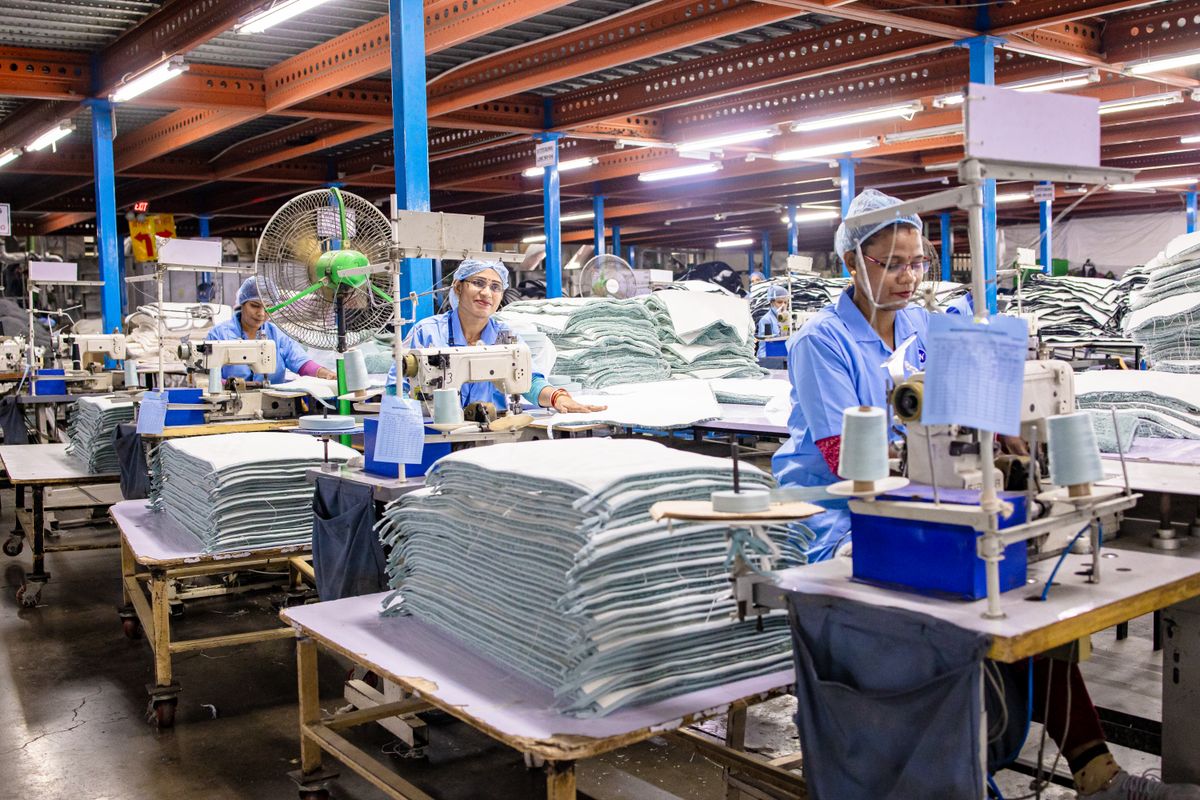
A Sedex audit is a SMETA audit: a social compliance audit carried out on site at a supplier, with the findings uploaded to the Sedex platform. Every SMETA audit covers labour standards and health and safety. The fuller 4-pillar version adds environment and business ethics.
What it is not is a certificate. Sedex describes SMETA as a continuous improvement methodology rather than a certification. The audit produces findings and a corrective action plan, and the buyer decides what those findings mean for them.
The system is large. Sedex reports 67,000 SMETA audits carried out in 2025, 250,000 SMETA non-compliances closed in 2025 and more than 120,000 sites registered on its platform in 2026. If you sell to large retailers, you will meet it.
Key Takeaways
- A Sedex audit is a SMETA audit. Sedex is the platform; SMETA is the audit methodology.
- No pass or fail. SMETA is a continuous improvement methodology, not a certification, so there is no certificate to show.
- 2-pillar or 4-pillar: every audit covers Labour Standards and Health and Safety; 4-pillar adds Environment and Business Ethics and is used in around 70% of audits (Sedex).
- An audit covers one site on the audit dates. It does not tell you where your order will actually be sewn.
- Usually a buyer requirement, not a legal one for a small brand: the EU due diligence directive now starts at 5,000 employees and €1.5 billion turnover.
Heads up: We're Portugal Clothing Factory. Our team places and manages clothing production with selected partner factories in northern Portugal. We don't carry out or sell audits. What follows is how Sedex looks from the production side: what a report tells a brand and what it doesn't.
What Is a Sedex Audit?
Strictly, there is no "Sedex audit". Sedex is a membership platform, and SMETA (Sedex Members Ethical Trade Audit) is the audit methodology that runs on it. Brands say "Sedex audit" when they mean a SMETA audit whose report sits on the platform.
Sedex has two kinds of member, according to its membership page: buyers, who use the platform to see their supply chain, and suppliers, who share information with several customers through one profile. Sedex says more than 100,000 companies in 180 countries have joined. Only Sedex members can have a SMETA audit, and the audit is uploaded to the platform.
The difference from a certification matters. A certification body inspects and then grants or withholds a certificate. A SMETA audit records what the auditor found, and the site works through a corrective action plan. So when a factory tells you it is "Sedex approved" or "Sedex certified", the useful reply is a question: can you share the audit report?
What Does a SMETA Audit Actually Cover?
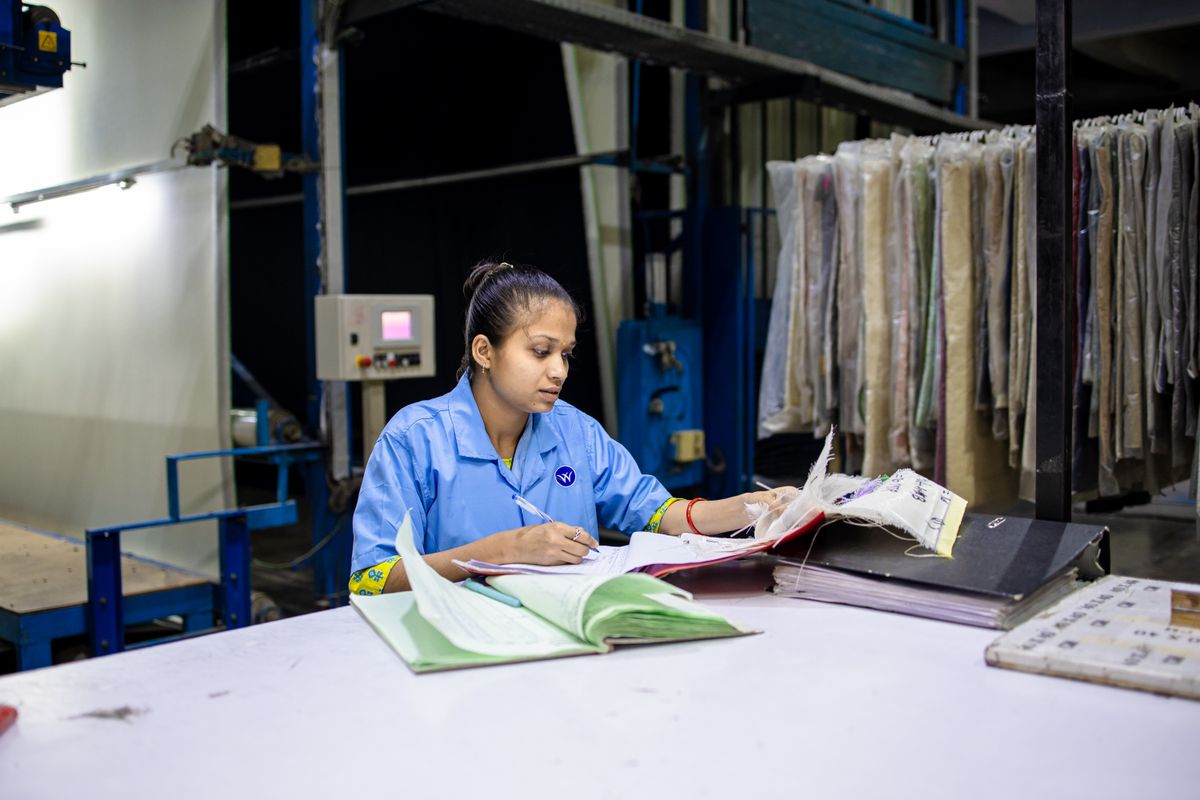
SMETA runs in two scopes. Every audit covers Labour Standards and Health and Safety, the two founding pillars. The 4-pillar audit adds Environment and Business Ethics, and Sedex says it is used in around 70% of SMETA audits today.
| Pillar | What Sedex says it checks | In 2-pillar? |
|---|---|---|
| Labour Standards | Fair treatment, safe recruitment and workers' rights on site | Yes |
| Health and Safety | The physical and mental risks workers face on site | Yes |
| Environment | Environmental risk data: waste, water, energy | 4-pillar only |
| Business Ethics | Bribery, corruption and conflict-of-interest risk at site level | 4-pillar only |
Pillar descriptions as given on the Sedex SMETA page, read 31 October 2026.
One practical point: if your buyer or your own standards care about environmental data, ask for 4-pillar by name. A request for "a SMETA" without the scope can return a report that leaves out the part you wanted.
Citation capsule A SMETA audit always covers Labour Standards and Health and Safety; the 4-pillar version adds Environment and Business Ethics and is used in around 70% of SMETA audits (Sedex). Sedex calls SMETA a continuous improvement methodology rather than a certification, so the outcome is a findings report and a corrective action plan, not a pass or fail.
How Does a SMETA Audit Work?
Sedex sets out the process on its SMETA page:
- The site is a Sedex member. Only members can have a SMETA audit.
- An approved auditor visits. Audits are carried out by Sedex's named, independent Affiliate Audit Companies. Sedex does not audit sites itself.
- On-site assessment. The auditor reviews documents, records, policies and practices, talks to workers and looks at conditions across the chosen scope.
- Measured against set standards: the ETI Base Code, ILO Conventions and local law.
- Report and corrective action plan. The findings go onto the Sedex platform, with a plan for fixing what was found.
Sedex does not publish a standard fee or timeline on that page, so ask the audit company for both. Book early if a retailer needs a current report before a first shipment: put the requirement into the plan at the start of development, not at bulk approval.
Read the non-compliance figure calmly. 250,000 closed non-compliances in a year says findings are routine, and a closed non-compliance is a problem that was fixed. A report with findings is the normal outcome. What matters is what the findings are and whether they were closed.
Does a Sedex Audit Prove a Factory Is Ethical?
No. A SMETA audit records what a trained auditor observed at one site on particular dates, against a defined checklist. It is evidence, and useful evidence, but it is not a guarantee.
Audits can be gamed. Transparentem's Hidden Harm investigation found audit deception to be a pervasive problem in apparel supply chains: workers it interviewed in India, Malaysia and Myanmar described falsified documents and being coached on what to say, and adolescent workers being hidden or sent away during audits.
The limit that matters most for small orders
An audit covers a site. It does not tell you where your order will be made. If a factory subcontracts your hoodies to a workshop that was never audited, the report stays accurate and tells you nothing about your garments. The same goes for a subcontracted laundry, printer or embroiderer, and for the mill that made your fabric.
So agree in writing which site makes your order and whether any step is subcontracted. Our guide to red flags when choosing a manufacturer covers how to spot this.
Do You Need Sedex as a Small Brand?
Usually not for legal reasons, often yes for commercial ones. The EU's Omnibus I Directive, (EU) 2026/470, entered into force on 18 March 2026 and narrowed the Corporate Sustainability Due Diligence Directive to companies with more than 5,000 employees and more than €1.5 billion net turnover, with the rules applying from July 2029 (DLA Piper summary).
A small direct-to-consumer brand is nowhere near that line. If someone tells you EU law obliges you to hold supplier audits, check the threshold first.
Where Sedex does become necessary is wholesale. Large retailers write their own sourcing requirements into supplier terms, so the moment you sell to one, their audit questions become yours. A rule of thumb: selling direct to consumers, a SMETA report is useful evidence; selling wholesale to large retail, assume you will be asked for one and check the factory can share it before you commit.
How Does Sedex Compare to BSCI, WRAP and SA8000?
The useful difference is what you get at the end. SMETA and amfori BSCI are audit methodologies that produce reports. WRAP and SA8000 issue certificates.
| Scheme | Type | Output |
|---|---|---|
| Sedex / SMETA | Platform plus audit methodology | Audit report and corrective action plan on the Sedex platform |
| amfori BSCI | Audit methodology run by amfori | Audit report |
| WRAP | Social compliance certification for sewn products | Facility certificate |
| SA8000 | Standard and certification system with a management-systems approach | Certificate |
Scheme types as each scheme owner describes itself, read 31 October 2026.
Which one to ask for depends on your customer. Ask the buyer which scheme it accepts before you ask a factory for anything, because a report the buyer does not recognise does not help.
What About Portugal and the EU?
Inside the EU a social audit answers a narrower question, because EU and national labour law already apply and are enforced by the state, not by your purchase order. That does not make SMETA pointless in Portugal: a Portuguese factory that supplies UK or Nordic retailers may well hold an audit report because those customers ask for one.
What changes is the weight you put on it. Where labour inspection, a statutory minimum wage and working-time rules are enforced, an audit is more about documentation for your buyer than your main risk control.
How we handle it: we don't hold a Sedex certificate ourselves (there is no such thing) and we don't claim one for the factories we work with. Audit reports and certificates are checked factory by factory, and we share what a factory has on file when a brief needs it. In our sustainable production page, factories with a current SMETA, BSCI, SA8000 or equivalent on file are flagged. For product certifications such as OEKO-TEX and GOTS, see our guide to textile certifications.
Frequently Asked Questions
Is a Sedex audit the same as a SMETA audit?
In common usage, yes. Sedex is the membership platform and SMETA is its audit methodology. "Sedex audit" is shorthand for a SMETA audit whose report sits on the Sedex platform.
Can a factory be Sedex certified?
No. Sedex describes SMETA as a continuous improvement methodology rather than a certification. An audit produces findings and a corrective action plan, not a pass or fail certificate. If a factory says it is Sedex certified, ask to see the audit report.
What is the difference between a 2-pillar and a 4-pillar SMETA audit?
Every SMETA audit covers Labour Standards and Health and Safety. The 4-pillar audit adds Environment and Business Ethics. Sedex says the 4-pillar scope is used in around 70% of SMETA audits.
Who carries out a SMETA audit?
Auditors from Sedex's approved Affiliate Audit Companies, which are independent third parties. Sedex does not audit sites itself, and only Sedex members can have a SMETA audit.
Do I need Sedex if I sell direct to consumers?
Usually not for legal reasons. After the Omnibus I revision, the EU due diligence directive applies to companies with more than 5,000 employees and more than €1.5 billion net turnover. Retail buyers can still ask for an audit report as a condition of doing business.
What to Do With This
A Sedex audit is a useful document and a weak guarantee. It tells you what an auditor saw at one site on particular dates, in a system that closed 250,000 non-compliances in 2025.
Three things to act on. Ask for the report, not the phrase "Sedex certified". Say 2-pillar or 4-pillar before anyone books an audit. And agree subcontracting separately in writing, because no social audit tells you where your order will be made.
Making clothing in Portugal? Our team places and manages production from 100 units per style. Tell us which audit or certification your buyer needs and we check what each factory can show. Get in contact and we reply within 24 hours, or browse the factory directory (€49).
Our team places and manages clothing production with selected partner factories in northern Portugal, from 100 units per style (sometimes 50 per style and colour, decided with the partner factory). Tell us your garment, volume, timeline and any audit your buyer requires; we reply within 24 hours. Fee quoted in writing, no commissions.
Get in contact Download the directory (€49)Need a tech pack? Get a factory-ready single-style tech pack for €79. See what's included.
Sources used in this article
- Sedex, SMETA audit: 2-pillar and 4-pillar scope and pillar descriptions, around 70% of audits 4-pillar, 67,000 audits and 250,000 non-compliances closed in 2025, 120,000+ sites registered in 2026, audit process, not a certification.
- Sedex, Membership: buyer and supplier members, over 100,000 companies across 180 countries.
- Transparentem, Hidden Harm: audit deception in apparel supply chains.
- DLA Piper, Omnibus I Directive enters into force (20 March 2026): Directive (EU) 2026/470, CSDDD thresholds and dates.
- WRAP and Social Accountability International, SA8000: how each scheme describes itself.
Portugal Clothing Factory places and manages clothing production with selected partner factories in the northern Portuguese textile cluster. We quote our fee in writing, reply within 24 hours, and stay involved through sampling, quality control and delivery. See how we work or get in contact.