A sustainable claim is only as good as the certificate you can check behind it. Tell us what you make and which claim you want to print; we route your brief to a factory in our group that can back it, and you check the certificate yourself before you order.
Directory: one-time €39, instant download.
GOTS, OEKO-TEX, GRS: checked per factory, per order
No single certificate makes a garment “sustainable”. Each one checks one thing: fibre, chemicals, recycled content, the factory or the workers. Pick the one that backs the claim on your label.
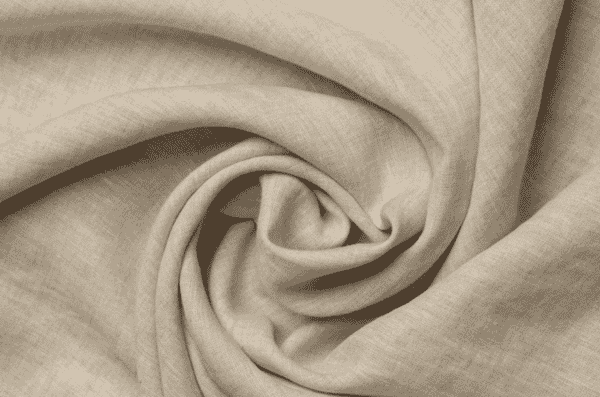
Natural linen
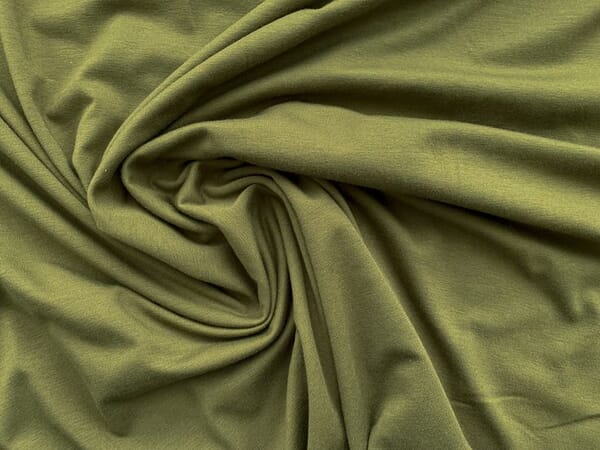
Cotton-modal jersey
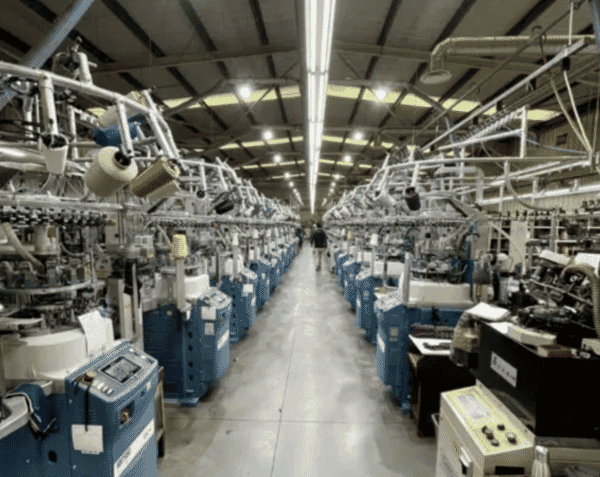
Circular knitting floorCovers: organic fibre (at least 70%, or 95% for the “organic” label grade) through every processing step, with chemical and social rules. Doesn’t cover: recycled content as the main claim, or any step outside a company’s certified scope.
Covers: the finished article or component, lab-tested for a list of harmful substances, with stricter limits for baby and skin-contact product classes. Doesn’t cover: organic or recycled origin, working conditions, water or energy use.
Covers: the production site: chemical and environmental management, social responsibility, health and safety. Doesn’t cover: a product label on its own; MADE IN GREEN by OEKO-TEX combines product testing and STeP.
Covers: recycled content tracked through the supply chain. RCS verifies the content only; GRS adds social, environmental and chemical rules. Doesn’t cover: the virgin part of a blend, or harmful substances in the finished piece.
Covers: chemical inputs and resource use at the sites that make materials, most often technical and outdoor fabric mills. Doesn’t cover: fibre origin, and it is usually the fabric mill, not the sewing factory, that is the bluesign partner.
Covers: working conditions. SA8000 certifies a workplace (wages, hours, health and safety, child and forced labour, freedom of association); Fair Wear is a membership that checks how brands improve their supply chain. Doesn’t cover: materials or chemicals.
Not sure which one your buyer or retailer expects? Brief us the claim and we tell you which certificate backs it.
One certificate never covers everything. Decide which claim goes on the swing tag first, then ask for the certificate that backs exactly that claim, for the site that makes your goods.
Summarised from the standard owners (Global Organic Textile Standard, OEKO-TEX, Textile Exchange, bluesign, Social Accountability International, Fair Wear). Rules change between versions: check the current standard before you print a claim. More detail in OEKO-TEX vs GOTS vs bluesign.
A logo on a website or a PDF in an email proves nothing on its own. These checks take a few minutes and work for any factory, ours included.
Certificate checklist
Before you email a factory, check what it says it holds. The Factory Directory documents 80+ Portuguese factories, re-validated every quarter.
Want to contact factories yourself?
The Factory Directory lists 80+ documented factories with town, specialty, MOQ, certification and a direct contact.
Directory: one-time payment. Instant download.
Where the factory is, so you can plan visits and sampling trips.
Knit, woven, denim, technical or tailoring, so your brief reaches the right floor.
Minimum order tiers, so you skip factories that won’t fit your volume.
GOTS, OEKO-TEX and GRS coverage flagged. Verify the current certificate before you order.
Factories with a current SMETA, BSCI, SA8000 or equivalent certificate on file are flagged.
A direct address, not a gateway, so you can ask for the scope certificate yourself.
Listed certificates are what each factory states and what we had on file at the last quarterly check; certificates expire, so always check the current one in the standard’s database. How the list is built: Factory Directory.

Product, quantities and the claim you want to make (organic, recycled, tested, fair). Free, and a real person replies within 24 hours.

Organic cotton, recycled polyester or recycled cotton blends and other certified fabrics come from mills and agents in Portugal and Europe; availability and fabric minimums depend on the mill, so we confirm them on your brief.
We route your brief to a factory in our group whose certificate scope covers your product. Our fee is quoted in writing after we read your brief, before any work starts.
.jpeg?w=300&format=optimal)
Ask for the scope certificates of the mill and the factory before you pay a deposit, and check the numbers online. Then approve the sample as usual.
.jpeg?w=300&format=optimal)
The factory invoices you directly, with no commission on your order. Ask for the transaction certificate with the shipment if your label makes a GOTS, GRS or RCS claim.
Tech pack: 3–5 working days, 2–3 revision rounds.
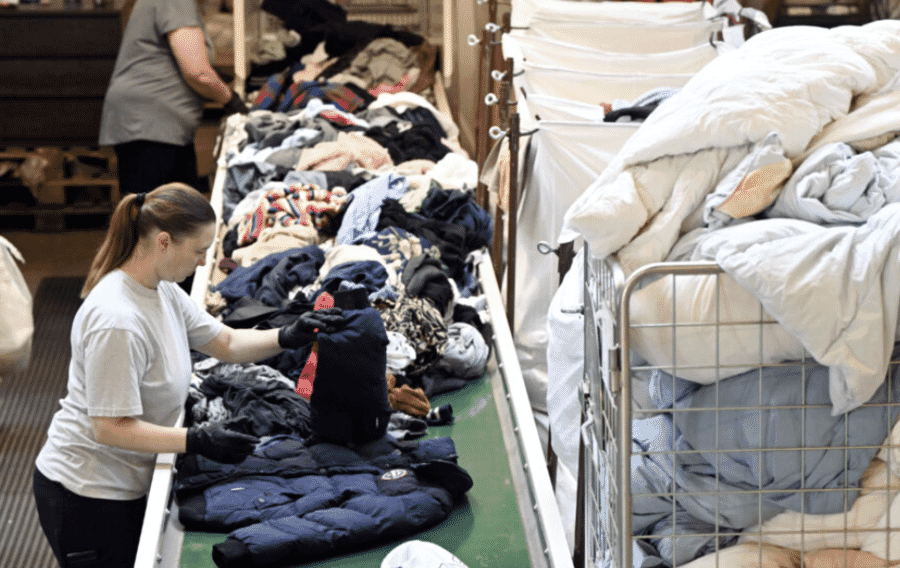
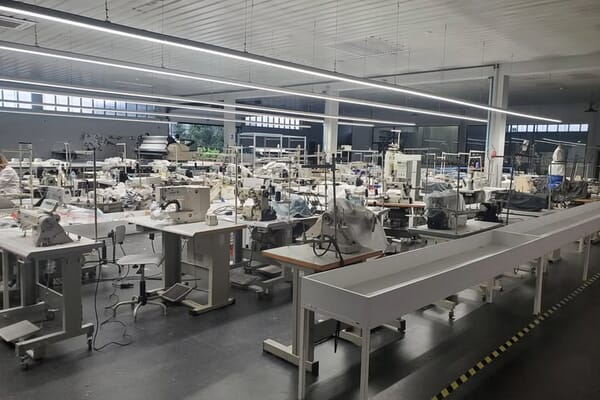
See example production runsFabrics and production steps behind a sustainable collection. Tap a photo to enlarge it.
Photos show materials and production steps in general, not certified goods from a specific factory.
Free guides from our blog on certificates, fabrics and the EU rules behind sustainable claims.
All guidesWhich label covers chemicals, which covers fibre, and which one you need.
Organic, recycled and cellulosic fabrics compared for small brands.
Certifications, fabrics and the EU rules coming for textile brands.
How recycled fibres work, and what to ask before you buy them.
Clothing manufacturers in Portugal, by product
All clothing manufacturers in Portugal · Low MOQ & small batch · Manufacturing in Europe: why Portugal
Straight answers on certificates, materials and claims.
Your question isn’t here?
Send your brief. A real person in Porto replies within 24 hours, no sales pipeline.
Directory: one-time payment. Instant download.
GOTS, if you want to call the garment organic. Every step from spinning to sewing needs a GOTS certificate, and you need a transaction certificate for your order. OEKO-TEX Standard 100 alone doesn’t prove organic origin.
Not on its own. It shows the finished article was tested for harmful substances, which matters for skin contact, but it says nothing about organic or recycled fibre, water use or working conditions. Our OEKO-TEX vs GOTS vs bluesign guide compares them.
Ask for the scope certificate, check that it names the site that makes your goods and hasn’t expired, then look up the licence or label number in the standard’s public database. For GOTS, GRS and RCS claims, ask for a transaction certificate with your shipment.
No. Certificates are held per company and per site, and each one covers a defined scope. The Directory lists what each factory states, with expiry dates tracked. Name the certificate you need in your brief and we only route it to a factory whose scope covers it.
Yes, where the mill can supply it with the certificate your claim needs. Availability, colours and fabric minimums depend on the mill, so we confirm them on your brief. Read our sustainable fabrics guide for the options.
Usually, yes: certified fabric tends to cost more than conventional fabric, and every company in the chain pays for its own certification. How much depends on the fabric and the quantity, so you get it in writing with your quote.
Pick what you make and your quantity. Name the certificate you need on the next step, and we reply within 24 hours.