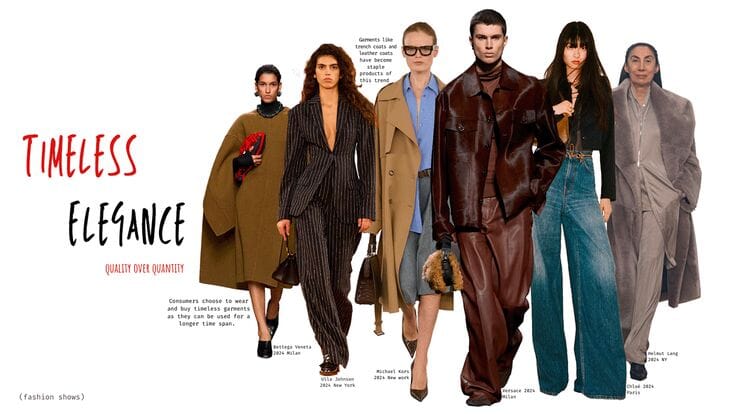
Nearly half of all global apparel brands have integrated AI-driven design tools into their workflows (Fashionnovation, 2025). That's not a trend. It's a permanent shift. For streetwear founders, these tools compress months of design work into days, sometimes hours.
There are hundreds of AI tools out there. Which ones actually work for streetwear? Which ones produce graphics you can send to a Portuguese factory? And which ones are just hype?
We tested dozens of platforms and narrowed the field to 10. This article ranks each tool by usefulness for streetwear design, covers EUR pricing and limitations, and shows you how to build a complete design stack for under €85/month.
Key Takeaways
- AI in fashion grew to a projected €2.2B market in 2026, up from €1.1B in 2024
- A full streetwear AI design stack runs €33-€85/month
- Best for graphics: Google Gemini with Nano Banana Pro
- Best all-in-one workflow: Freepik AI
- Best for production-ready files: Adobe Photoshop + Firefly
- 12-month AI stack cost: €400-€1,020 vs €15,000-€60,000 for equivalent freelance designer output
- Portuguese factories accept AI-generated concepts when paired with proper tech packs and reference garments
1. Google Gemini (with Nano Banana Pro): Is It the Best AI Fashion Design Software in 2026?
Google Gemini has become the starting point for streetwear graphic creation. With 35% of fashion brands already using generative AI for image creation (McKinsey, 2026), Gemini's Nano Banana Pro model stands out for its ability to produce incredibly detailed, production-quality graphics.
What makes it special for streetwear
The Nano Banana Pro model generates all-over prints, logo concepts, and graphic tee artwork with remarkable detail. You describe what you want in natural language. The model delivers variations in seconds. It handles complex patterns, typography integration, and colour separation better than most competitors.
For streetwear founders, this means going from idea to visual concept during a single coffee break. Need a Japanese-inspired motif for a hoodie collection? Describe it. Want 15 variations of a distressed skull graphic? Done.
Pricing and limitations
- Free tier: Basic access with limited generations
- Advanced: roughly €19/month for high-volume use
Outputs still need refinement in Photoshop for true production-ready files. You won't get 300 DPI vector output directly. As a concept generator, nothing else matches Gemini's speed and quality right now.
Verdict: The go-to starting point for any streetwear graphic concept. Pair it with Photoshop for production files.
Citation Capsule: Google Gemini with Nano Banana Pro has emerged as the leading AI concept tool for streetwear graphics in 2026, producing detailed all-over prints, logo concepts, and graphic tee artwork faster than any competing platform.
2. Adobe Photoshop + Firefly: Why Is It Still Essential?
ASOS achieved 75-80% time savings by integrating AI design tools into their workflow (California Apparel News, Feb 2026). Adobe Photoshop with Firefly is the tool that makes those efficiency gains possible for independent streetwear brands.
The bridge between AI and factory
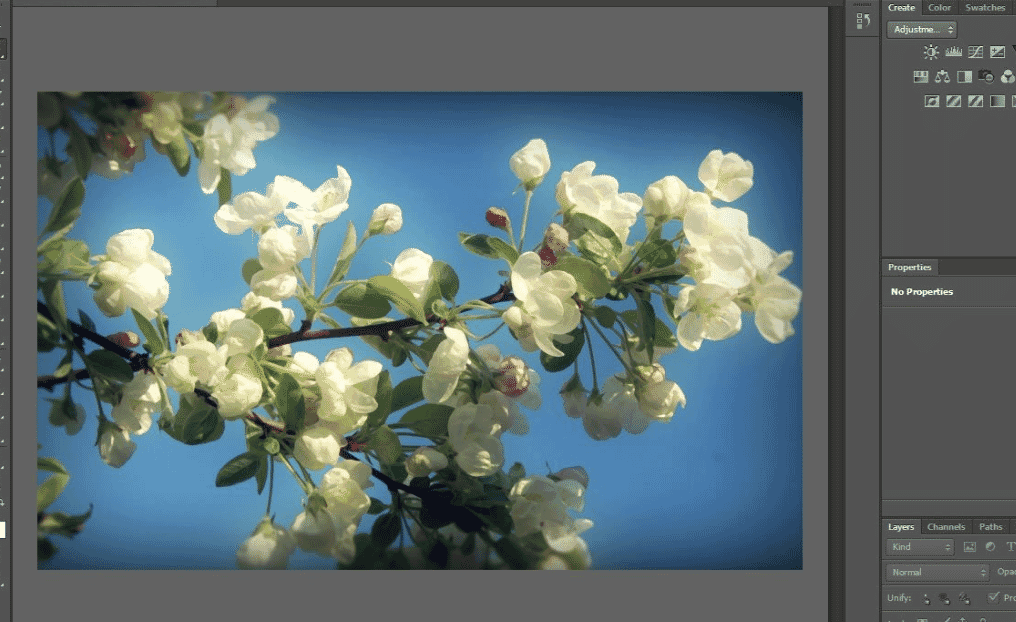
What no other tool does as well: Firefly's generative fill and expand features let you take any AI-generated concept and refine it to 300 DPI production quality. You can extend backgrounds, remove artifacts, adjust colours for specific Pantone matches, and export files your manufacturer can actually use.
In our placement records, brands sending Gemini-generated artwork directly to factories see inconsistent results. Running those same files through Photoshop's AI-powered cleanup takes 15 minutes and produces files that print accurately every time.
Pricing and limitations
- Photography plan: roughly €21/month
- All Apps: roughly €52/month
The learning curve is steeper than pure AI generators. If you're serious about streetwear production, this isn't optional. It's required.
Verdict: The bridge between AI concept and factory-ready file. Non-negotiable for production brands.
3. Freepik AI: Can One Platform Handle Your Entire Design Workflow?
Imagine generating a graphic, placing it on a garment mockup, fitting it to an AI model, and producing a studio-quality product shot. All without leaving one platform. Freepik AI represents the next wave of streetwear design tools: all-in-one platforms that handle the full creative pipeline.
Node-based workflow changes everything
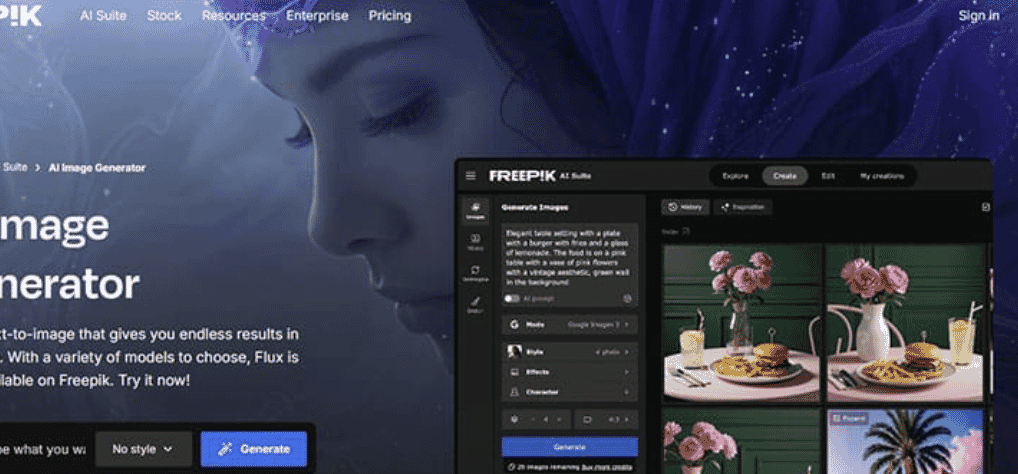
What separates Freepik from other tools is its node-based system. Chain operations: generate a design, place it on a garment mockup, add the garment to an AI model, then create a studio-quality product shot. One platform. One subscription.
For a streetwear founder running a lean operation, this eliminates the need for separate tools, separate subscriptions, separate learning curves.
Pricing and limitations
- Premium: roughly €11/month
It's a newer platform with a smaller community than Adobe or Midjourney. Tutorials and resources are still growing. At €11/month for what it delivers, the value proposition is hard to beat.
Verdict: Best value all-in-one for streetwear content creation and product visualisation.
Citation Capsule: Freepik AI offers a node-based design workflow at roughly €11/month, enabling streetwear brands to generate designs, create mockups, and produce AI model shots in a single platform. The strongest value proposition in the current tool landscape.
4. How Does Midjourney Compare for Streetwear Mood Boards?
With 70% of fashion executives ranking AI-driven design as a top-three digital priority (McKinsey, 2025), tools like Midjourney have become standard in creative direction. It produces the most visually striking concept art in the market.
Strengths for streetwear brands
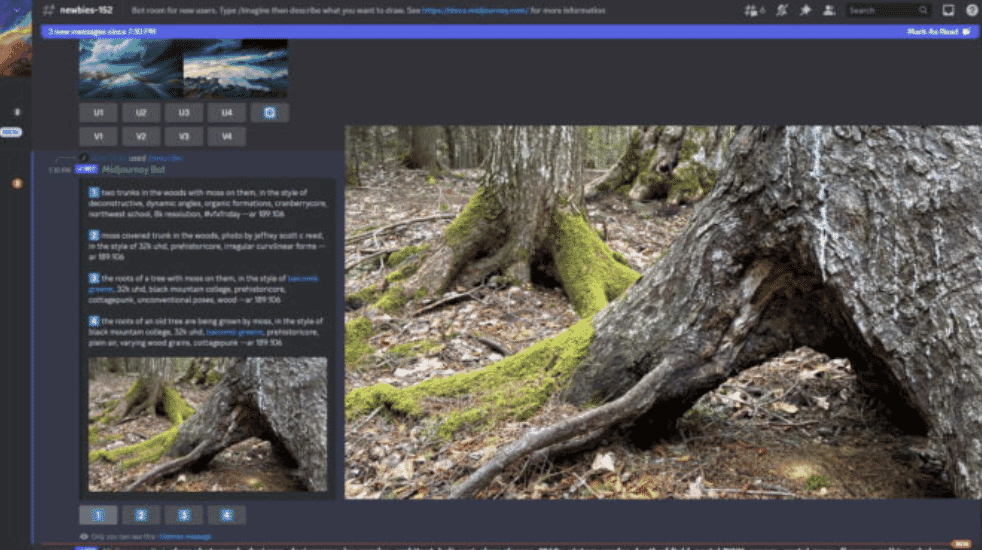
Midjourney excels at brand aesthetics. Need a mood board that captures a "90s Tokyo street meets industrial Berlin" vibe? Midjourney nails abstract creative direction better than any competitor. Clients love the output. Perfect for pitch decks and brand books.
Can it replace your graphic designer? Not quite.
Pricing and limitations
- Basic: roughly €9/month
- Standard: roughly €28/month
Outputs are concept-quality, not production-ready. You'll still need Photoshop or Illustrator to get files ready for manufacturing. Resolution is improving but isn't where it needs to be for print production.
Verdict: Excellent for inspiration, brand direction, and client presentations. Not for final production designs.
5. Adobe Illustrator + AI Features: Do You Need Vector Tools for Streetwear?
Your logo needs to look sharp on a label, a hoodie chest print, and a billboard. All from the same file. That's why vector tools still matter. Illustrator's AI features (Generative Recolor, Text to Vector) solve this problem directly. 48% of fashion brands have integrated ML into collection planning and design iteration (California Apparel News, 2026).
Why vector still matters
Logos. Typography. Label designs. These must be vector format for production. You can't scale a rasterized logo across sizes without losing quality. Basic manufacturing reality.
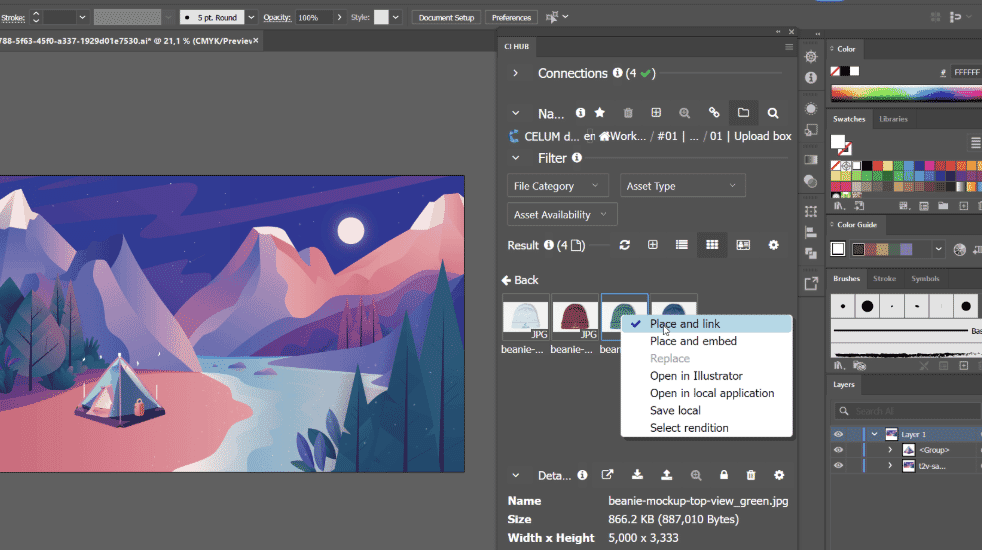
Illustrator's Generative Recolor lets you create dozens of colourways from a single design in minutes. Text to Vector converts rough sketches into clean vector art. These features don't replace the tool's core functionality; they accelerate it.
Pricing and limitations
- Single app: roughly €21/month
- Included in All Apps: roughly €52/month
This isn't a generative design tool. Don't expect it to create concepts from scratch. It refines and finalises what you've built elsewhere.
Verdict: Required for any brand producing scalable logos and clean vector artwork.
6. Stable Diffusion (via ComfyUI): Is Open-Source AI Worth the Effort?
AI photography now costs €0.09-€0.90 per image compared to €4,500-€14,000 for a traditional photoshoot (WearView, 2026). Stable Diffusion takes the cost equation even further: completely free if you have the hardware.
Why power users choose it
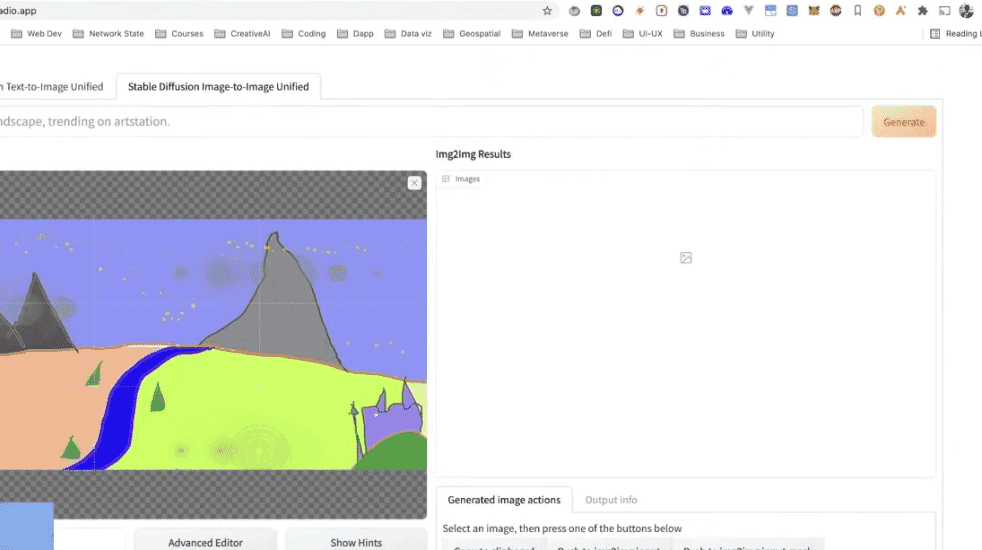
Train custom models on your brand's aesthetic. Feed it 50 images of your previous collections and it generates on-brand graphics consistently. No other tool offers this level of customisation.
ComfyUI makes the workflow visual and repeatable. Automatic1111 gives you granular control over every parameter. Both are free.
Pricing and limitations
- Software: Free
- Cloud compute: roughly €0.45-€1.80/hour (if you lack a local GPU)
The catch: technical setup is real. You'll need familiarity with Python environments, model management, and prompt engineering at a deeper level than consumer tools require. Not for beginners.
Verdict: Best option for technically skilled founders who want full control and zero recurring costs.
7. Higgsfield: What About AI Video for Streetwear Campaigns?
Your best-performing streetwear content in 2026 is almost certainly video. You probably don't have a production budget for it. Higgsfield solves this by creating motion content from your static designs, turning still images into campaign-ready video clips. Micro-influencers drive 53.6% of Gen Z streetwear purchasing decisions (Accio, 2026), and those decisions happen on video-first platforms.
Why streetwear brands need video tools
Short-form video dominates social commerce. Shooting professional video for every product launch is expensive and slow. Higgsfield lets you animate product shots, create lookbook videos, and generate social content from images you already have.
Is the output broadcast-quality? No. Is it good enough for Instagram Reels and TikTok? Absolutely.
Pricing and limitations
- Free tier: Limited generations
- Paid plans: roughly €14-€28/month
Video quality varies. Works best for social content and quick campaign teasers. Don't expect commercial-grade production.
Verdict: The fastest way to create campaign video content from your existing designs.
8. DeepAI: When Does Speed Matter More Than Quality?
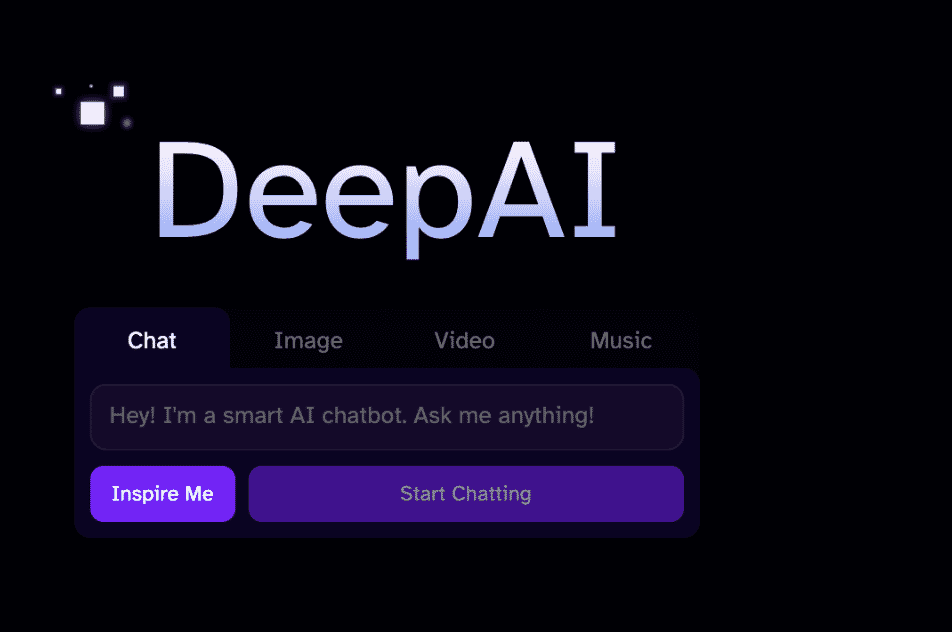
When you're deep in a brainstorming session and need 20 rough concepts in five minutes, polish doesn't matter. Direction does. DeepAI fills this gap in the streetwear design process: raw speed for rapid ideation.
The case for rapid ideation
Sometimes you need 20 variations of a concept in five minutes. You're not looking for polish. You're looking for direction. DeepAI delivers that faster than any premium tool.
It's the whiteboard sketch of AI design tools, quick, rough, useful for getting ideas out of your head and onto a screen.
Pricing and limitations
- Free tier: Available
- Pro: roughly €4.50/month
Output quality sits below Gemini and Midjourney. Brainstorming tool, not production tool.
Verdict: Good for rapid ideation and concept exploration. Pair with better tools for refinement.
9. CLO 3D / Style3D: Are 3D Garment Simulations Worth the Investment?
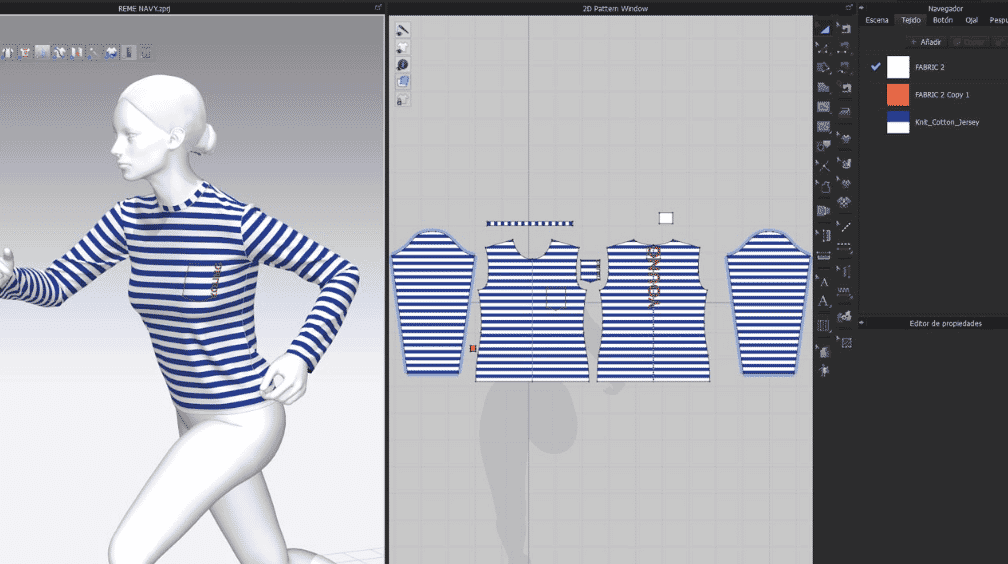
What if you could see exactly how your design drapes, fits, and moves on a body before cutting a single piece of fabric? CLO 3D and Style3D bring virtual sampling capability to independent streetwear brands, eliminating costly rounds of physical prototypes.
What 3D simulation actually does
See how your design looks on a virtual model before cutting a single piece of fabric. Test drape, fit, and proportions digitally. Share virtual samples with buyers and collaborators. Saves money on physical samples and accelerates approvals.
Most streetwear founders skip 3D tools because the cost feels high. If you're producing 10+ styles per season, the savings on physical samples alone cover the subscription within two collections.
Pricing and limitations
- CLO 3D: roughly €45-€90/month
- Style3D: Similar pricing range
The learning curve is steep. Professional-grade tools. Budget two to four weeks for basic proficiency.
Verdict: Worth the investment for brands running multiple styles per season. Overkill for single-product drops.
10. Kittl: What If You Don't Have Design Skills?
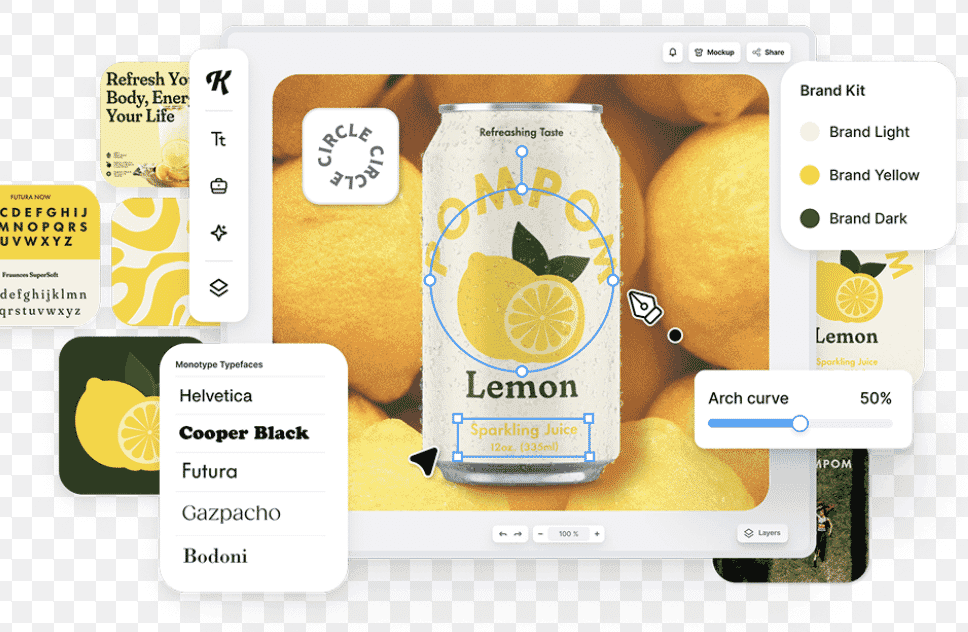
Not every streetwear founder has years of design training. Kittl was built to close that gap. It delivers professional-quality graphics to people who have never opened Photoshop.
Template-based streetwear design
Kittl offers pre-built templates designed specifically for streetwear aesthetics: distressed text, gothic fonts, vintage effects, urban typography. You customise colours, text, and layout without starting from a blank canvas.
The output is print-ready. Export at the resolution your manufacturer needs.
Pricing and limitations
- Free tier: Available
- Paid plans: roughly €9-€23/month
Template-based design means less originality. If five other brands use the same template, your work won't stand out. Use Kittl as a starting point, then customise heavily.
Verdict: Best for founders who want professional-looking graphics fast, without deep design skills.
How Do These AI Fashion Design Tools Compare?
The best AI fashion design software in 2026 serves different roles in a streetwear workflow.
| Tool | Best for | EUR/month | Skill level | Production-ready? |
|---|---|---|---|---|
| Google Gemini (Nano Banana Pro) | Streetwear graphics, prints | Free - €19 | Beginner | No (needs Photoshop) |
| Adobe Photoshop + Firefly | Refining AI concepts | €21-€52 | Intermediate | Yes |
| Freepik AI | All-in-one workflow | €11 | Beginner | Partial |
| Midjourney | Concept art, mood boards | €9-€28 | Beginner | No |
| Adobe Illustrator + AI | Vectors, logos, typography | €21-€52 | Intermediate | Yes |
| Stable Diffusion (ComfyUI) | Custom model training | Free + compute | Advanced | No (needs post-processing) |
| Higgsfield | AI video for campaigns | Free - €28 | Beginner | N/A (video) |
| DeepAI | Rapid ideation | Free - €4.50 | Beginner | No |
| CLO 3D / Style3D | 3D garment simulation | €45-€90 | Advanced | Yes (digital samples) |
| Kittl | Template-based graphics | Free - €23 | Beginner | Yes |
12-Month Cost Comparison: AI Stack vs Freelance Designer
The economic case for an AI design stack vs hiring a freelance or in-house designer:
| Approach | Year 1 cost | Output capacity | Best for |
|---|---|---|---|
| Free AI tools only | €0 | Concept exploration only | Pre-validation, hobby projects |
| Starter AI stack (€33/month) | €400 | 1-3 collections per year | First-collection emerging brands |
| Pro AI stack (€90/month) | €1,080 | 4-6 collections per year | Established small brands |
| Full AI stack (€225/month) | €2,700 | 8+ collections + 3D sampling | Multi-collection scaling brands |
| Freelance designer (project basis) | €5,000-€15,000 per collection | Variable | Brands needing human refinement |
| Junior in-house designer | €30,000-€45,000 + benefits | Continuous output | Established brands at scale |
| Senior in-house designer | €50,000-€80,000 + benefits | Continuous, premium output | Scale operations |
The starter AI stack delivers roughly 80% of a freelance designer's output volume at 4-8% of the cost. The gap closes further as the founder learns the tools. Most successful AI-first streetwear brands we've worked with run a hybrid model: Pro AI stack at €1,080/year + project-based freelance designer for 1-2 hero pieces per collection.
Portuguese Factory Integration: What File Formats to Expect
A practical reality often overlooked: AI-generated artwork must arrive at the factory in the right format. Most Portuguese factories expect:
| File requirement | Spec | Common AI-tool output gap |
|---|---|---|
| Vector logos | .AI or .EPS | Most AI tools output raster only |
| Print artwork | 300 DPI at print size, CMYK | Default output is 72 DPI RGB |
| Pantone references | TCX (fabric) or TPG (trims) | AI suggests RGB; conversion required |
| Print placement diagram | PDF with dimensions | Not generated by AI tools |
| Colour separations | One colour per layer (.PSD) | AI generates flattened |
The bridge between AI concept and factory-ready file is consistently Photoshop + Illustrator. Brands that try to ship Gemini or Midjourney output directly to factories typically face 1-2 extra sample rounds while the factory requests corrections.
How to Build Your AI Design Stack on a Budget
A streetwear founder can run a complete AI design stack for €33-€85/month. You don't need enterprise budgets to build a competitive design workflow.
Starter stack: roughly €33/month
- Google Gemini Advanced (€19) for graphic generation
- Freepik AI Premium (€11) for mockups and workflow
- DeepAI free (€0) for quick brainstorming
- Total: ~€30-€33/month
This gets you from concept to mockup. You'll need free tools like GIMP or Photopea for basic file cleanup.
Pro stack: roughly €90/month
- Google Gemini Advanced (€19) for graphics
- Adobe Photoshop (€21) for production files
- Freepik AI (€11) for workflow
- Midjourney Standard (€28) for creative direction
- Higgsfield (€14) for video content
- Total: ~€93/month
Covers concept through production and content creation. What we'd recommend for brands doing regular collections.
Full stack: roughly €225+/month
Everything above, plus:
- CLO 3D (€70) for 3D sampling
- Adobe Illustrator (€21) for vectors
- Kittl Pro (€14) for quick templates
- Total: ~€225/month
Worth it for brands producing 10+ styles per season with active content calendars. Stack costs based on current 2026 pricing across all 10 platforms. The starter stack represents roughly a 95% cost reduction compared to hiring a freelance designer for equivalent output volume, though the quality ceiling is lower without professional refinement.
Prompt Engineering Playbook for Streetwear
The biggest gap between brands getting good AI output and bad AI output isn't the tool. It's the prompts. Specificity drives quality. Generic prompts produce generic results regardless of platform.
Anatomy of a high-output prompt
A prompt that consistently delivers usable streetwear output includes 6 elements:
- Aesthetic anchor: "Tokyo minimal streetwear" or "90s East Coast hip-hop" or "Scandinavian heritage workwear"
- Reference pairing: "in the style of Stüssy x Fragment Design" or "inspired by A Bathing Ape's archive"
- Composition specifics: "centred chest placement, 25 cm wide" or "all-over print with 12 cm repeat"
- Colour direction: "muted earth tones, off-white base, single-colour overprint" with Pantone references
- Typography or graphic element: "industrial Helvetica, displaced 8 mm" or "hand-drawn weathered illustration"
- Output format: "for screen printing on 220 GSM heavyweight cotton tee"
A complete prompt: "Tokyo minimal streetwear in the style of Cav Empt, distressed industrial typography reading 'CHANNEL 4' centred on chest, monochrome charcoal on cream base, hand-drawn line-art accents in lower-right corner, designed for screen printing on 220 GSM heavyweight cotton tee."
This level of specificity consistently outperforms 5-word prompts by 4-6x in usable output rate.
Tool-specific prompt patterns
Google Gemini Nano Banana Pro: responds well to explicit fashion vocabulary and Pantone references. Pair with a reference image when possible.
Midjourney: rewards aesthetic-anchor + lighting language ("studio lighting, hard shadow, magazine editorial"). Use --style raw for streetwear graphics rather than default stylised output.
Stable Diffusion (custom-trained): trained on your own brand archive, prompts can be much shorter ("hoodie graphic, brand palette, drop 12") because the model already knows your aesthetic.
Freepik AI: node-based, so prompts are split across stages. Each stage gets a focused prompt rather than one mega-prompt.
In our placement records, the brands shipping the most distinctive AI-generated streetwear share one habit: they treat prompt engineering as a discipline, not a quick chat. They iterate prompts with the same rigour they'd apply to design briefs.
Hybrid Workflow Examples: AI + Human Designer
The brands hitting €500K+ year-1 revenue with AI-assisted design rarely run pure AI. They run hybrid: AI for breadth and speed, human designer for refinement and strategic decisions.
Hybrid model 1: AI breadth + freelance refinement
| Stage | Owner | Output |
|---|---|---|
| Concept exploration | AI (Gemini, Midjourney) | 50-80 raw concepts |
| Concept selection | Founder | 8-12 finalists |
| Hero piece refinement | Freelance designer (€800-€2,000 per piece) | 2-3 production-ready hero designs |
| Secondary refinement | Founder + Photoshop/Firefly | 4-6 production-ready secondary designs |
| Vector logo work | Freelance designer | Final brand identity files |
| Production prep | Founder + Photoshop | Tech-pack-ready files |
Total cost: €33-€90/month tools + €1,600-€4,000 freelance per collection. Output: 8-10 production-ready styles. Quality ceiling: significantly higher than pure AI workflow.
Hybrid model 2: AI scaffold + in-house designer iteration
For brands with one in-house designer, AI accelerates the concept phase to free up designer time for refinement:
- Day 1-2: AI generates 100+ concepts based on brief
- Day 3: Designer selects and starts refinement on 10
- Day 4-7: Designer iterates with Photoshop + Firefly assistance
- Day 8-10: Production-ready files completed
This compresses what would have been a 4-week sprint into 2 weeks. The designer's output volume roughly doubles.
Hybrid model 3: Freelance designer with AI-augmented productivity
Some freelance designers now charge differently for AI-augmented work: €600-€1,200 per design vs €1,500-€3,000 for fully manual. The output looks similar; the cost difference reflects time savings. Good freelancers no longer hide their AI use; they price it explicitly.
Custom Model Training: When and How
Training a custom Stable Diffusion model on your own brand aesthetic delivers consistently on-brand outputs that public models can't match. The trade-off: technical complexity and time investment.
When custom training pays back
| Brand stage | Custom training ROI | Recommended? |
|---|---|---|
| Pre-launch / first collection | Negative (no archive to train on) | No |
| 1-2 collections shipped | Marginal (small archive) | Maybe, with care |
| 3+ collections shipped | Strong (200+ image archive) | Yes for brand-distinctive output |
| 5+ collections | Compound (each collection feeds next) | Strongly recommended |
What you need to train
- Image dataset: 50-200 images of your past collections, ideally with consistent backgrounds and lighting
- Compute: local NVIDIA RTX 4060+ GPU, or cloud compute (€0.45-€1.80/hour)
- Time: 2-4 hours initial training, 1-2 hours per refinement cycle
- Technical familiarity: Python environments, prompt engineering, Stable Diffusion workflow basics
What custom-trained models deliver
- Aesthetic consistency: outputs match your brand's visual signature without elaborate prompting
- Colour palette adherence: model learns your typical colour ranges
- Silhouette consistency: model knows what cuts you typically work in
- Faster iteration: shorter prompts produce better-on-brand outputs
The brands using custom-trained models report 3-5x output relevance vs public-model alternatives. The investment makes sense once you've shipped enough to have a real archive.
Anonymised Case Studies: AI Wins and Misses
Five anonymised cases from our placement records show how AI tools play out at the brand level:
Case A: The over-buyer. First-collection founder bought Pro stack (€90/month) plus CLO 3D (€70/month) plus Stable Diffusion compute before shipping a single product. Spent €1,920 on tools across 12 months while struggling to validate demand. The right path: Starter stack at €33/month for collection 1, scale tools after validation. Lesson: tool investment should follow output, not precede it.
Case B: The disciplined ideator. Marketer-first founder used free Gemini + Photopea (free Photoshop alternative) for first 6 months. Validated demand with 3 successful drops on €0/month tool spend. Then upgraded to Pro stack at €90/month once revenue justified. Year-1 tool cost: €540. Year-1 revenue: €120K. Lesson: free tools take you further than most assume.
Case C: The factory-mismatch. AI-first brand sent raw Gemini outputs to a Portuguese factory expecting them to handle file conversion. Factory came back with 4 sample-rounds worth of "we need vectors / we need 300 DPI / we need Pantone references." 7 weeks of delay, €2,800 in rework. Lesson: Photoshop + Illustrator are non-negotiable bridge tools regardless of AI sophistication.
Case D: The custom-model winner. 3rd-collection brand spent 3 weeks training a custom Stable Diffusion model on their archive. Subsequent collections required 60% less prompt engineering and produced consistently on-brand outputs. The 3-week investment paid back within collection 4. Lesson: at scale, custom models compound value.
Case E: The hybrid-stack scaler. Designer founder ran Pro stack + freelance designer at €1,500 per hero piece per collection. By collection 4, freelance costs dropped 30% as the designer's prompt-engineering skill grew, while output quality stayed flat. Lesson: hybrid models stabilise; pure AI plateaus, pure manual plateaus, hybrid keeps improving.
The pattern across cases: the brands that succeed with AI tools treat them as part of a larger workflow, not as a standalone solution. Tools alone don't ship product.
Brand Archetype: Which Tool Stack Fits Which Founder
Different founder backgrounds match different stacks. From our placement records:
| Founder archetype | Best AI tool stack | Why |
|---|---|---|
| Designer with strong taste | Pro stack + Stable Diffusion training | Maximises creative output |
| Marketer-first founder | Starter stack + Higgsfield video | Speed to content matters most |
| Streetwear collector / community-led | Free tools + DeepAI for ideation | Authentic, low-spend posture |
| Sustainability-led founder | Pro stack + custom prompts for eco aesthetics | Material story + design distinctiveness |
| Tech-platform-veteran founder | Full stack with Stable Diffusion | Treats brand as platform |
| Heritage / craft-focused | Free tools for concepts + freelance designer | Quality narrative over speed |
| Visual-content-first founder | Pro + Higgsfield + Freepik AI | Visual differentiation priority |
| Pre-validation hobbyist | All-free stack | Test before paying |
If you recognise yourself, lean toward your archetype's stack unless you have a specific reason not to.
Common Mistakes Streetwear Founders Make with AI Tools
Five years of placement records, including dozens of AI-first launches, surface a recurring set of mistakes:
- Sending raw AI output to factories. Gemini or Midjourney files don't have the resolution, colour profile, or vector data factories need. Always run through Photoshop + Illustrator first.
- Generic prompts producing generic outputs. "Streetwear hoodie" generates derivative results. Specific prompts ("Tokyo minimal streetwear, industrial Helvetica typography, muted earth tones, oversized cropped silhouette") generate distinctive results.
- Over-buying tools too early. First-collection founders rarely need the full €225/month stack. Start with free tools or starter stack and scale up based on actual output bottlenecks.
- Underestimating Photoshop's importance. Skipping Photoshop saves €21/month and costs €1,000+ in extra sample rounds. False economy.
- Ignoring file-format requirements. Factories need vector for logos, CMYK for print, Pantone for colour. AI tools default to raster + RGB. The conversion step is non-negotiable.
- Treating AI photography as a complete replacement. Pure AI campaigns feel hollow. Mix with real factory visits, sample shots, and behind-the-scenes content for the strongest brand narrative.
- Skipping 3D sampling at scale. At 10+ styles per season, CLO 3D pays back within 2 collections through reduced sample rounds. Not optional once you reach that volume.
- Not training on your own brand aesthetic. Stable Diffusion lets you train custom models on your own collections. Brands that do this consistently get more on-brand outputs than those using only public models.
Running into production issues? Get in contact and tell us what you're making. We're a group of Portuguese factories and we answer every serious brief within 24 hours.
The August Consideration
The AI tools themselves don't pause in August, but the Portuguese factories you'll send your AI-generated designs to do. Most close 2-3 weeks in mid-August. If your design-to-production timeline crosses early-to-mid August:
- Lock factory engagement and tech-pack alignment by mid-July
- Sample rounds across August add 4-5 weeks vs October cycles
- Schedule your design sprints to deliver factory-ready files by early-to-mid July
- Plan launches outside the first week of September
AI compresses the design phase but doesn't change the factory side. Build August into your overall calendar from day one.
Build Your AI Streetwear Design Stack Starting at €33/Month
The best AI fashion design software in 2026 has made professional streetwear design accessible to founders at every budget level. You don't need a design degree. You don't need €9,000 for a design team. You need the right combination of tools.
Start with the €33/month starter stack: Gemini for graphics, Freepik for workflow, DeepAI for brainstorming. As your brand grows, add Photoshop for production files and Midjourney for creative direction.
The brands winning in streetwear right now aren't the ones with the biggest budgets. They're the ones moving fastest from concept to production. AI tools give you that speed.
In our placement records with dozens of streetwear founders using AI design tools, the ones who succeed treat AI as a starting point, not a finish line. They generate concepts with AI, refine with professional tools, and partner with experienced manufacturers for production.
Talk to a real person: Need help turning your AI designs into production-ready garments? Get in contact and we'll match you with vetted Portuguese factories that handle AI-first brand workflows.
Sister-site deep dives: For the country-agnostic AI-to-factory workflow, see From AI Design to Factory Production.
Related: capsule collection guide
Frequently Asked Questions
What is the best free AI tool for streetwear design?
Google Gemini's free tier offers the best balance of quality and accessibility for streetwear graphics. Combined with free tools like DeepAI for brainstorming and Stable Diffusion for advanced users, you can build a zero-cost concept pipeline. Production-ready files still require paid tools like Photoshop, though free alternatives like Photopea exist.
Can AI tools create production-ready clothing designs?
Most AI tools generate concept-quality output, not production files. Adobe Photoshop + Firefly and Adobe Illustrator are the exceptions, producing files at 300 DPI with proper colour profiles. Even major retailers that rely heavily on AI still use professional software for final production files. AI accelerates ideation, not the last mile of file preparation.
Do I need Photoshop if I use AI design tools?
Yes, for production purposes. AI generators create concepts. Photoshop turns those concepts into factory-ready files with correct DPI, colour modes (CMYK for print), and clean edges. Free alternatives like Photopea or GIMP can handle basic tasks, but Photoshop's Firefly integration makes the AI-to-production pipeline significantly faster.
How much does an AI design stack cost per month?
A functional AI design stack for streetwear costs €33-€90/month. The starter combination of Gemini, Freepik, and DeepAI runs about €33/month. A professional setup with Photoshop, Midjourney, and video tools costs roughly €90/month. Full stacks with 3D simulation reach €225/month, still far below a full-time designer's salary.
Which AI tool is best for streetwear graphics?
Google Gemini with Nano Banana Pro produces the best streetwear graphics in 2026. It handles all-over prints, logo concepts, and graphic tee artwork with strong detail and stylistic range. For specific streetwear templates, Kittl offers faster results with less customisation. Pair either tool with Photoshop for production output.
Can my Portuguese factory accept AI-generated artwork?
Yes, when properly prepared. Factories need files in production-ready format (300 DPI, CMYK or Pantone-spec, vector for logos). AI-generated artwork must be processed through Photoshop or Illustrator before factory submission. In our placement records, brands sending raw AI output face 1-2 extra sample rounds; brands sending properly prepared files don't.
What's the ROI of AI tools vs hiring a freelance designer?
Year 1 cost comparison: Pro AI stack €1,080 vs equivalent freelance designer output €15,000-€60,000. The gap closes when you factor in the founder's time on AI prompting and refinement, but the math still favours AI for first-collection emerging brands. Most successful brands run hybrid: Pro AI stack + freelance designer for 1-2 hero pieces per collection.
Should I learn Stable Diffusion?
Only if you have technical comfort with Python environments and prompt engineering, and you produce enough volume to justify the learning curve. For most first-time streetwear founders, paid tools (Gemini, Freepik, Midjourney) deliver better ROI than the time investment in Stable Diffusion. Once you've shipped 2-3 collections, training a custom model on your aesthetic becomes more valuable.
How do AI photo tools compare to traditional photography?
AI photography costs €0.09-€0.90 per image vs €4,500-€14,000 for a traditional photoshoot. The 90-95% cost reduction is real. The trade-off is authenticity perception. Pure AI campaigns feel hollow; mixing AI photography with real factory visits and sample shots produces the strongest brand narrative.
How fast does the AI tool landscape change?
Very fast. Tool capabilities, pricing, and rankings shift roughly every 6 months. The 10 tools listed here are best-in-class as of mid-2026. By late 2026, expect 1-2 of them to be replaced by newer entrants. Build your workflow on principles (concept → refinement → production-ready), not on specific tools, so you can swap when better options emerge.
References
- Fashionnovation (2025) - AI in Fashion Adoption
- McKinsey (2025-2026) - State of Fashion / Generative AI in Fashion
- California Apparel News (Feb 2026) - AI in Fashion Pipeline
- WearView (2026) - AI Photography Cost Analysis
- Accio (2026) - Streetwear Marketing Trends
- Research and Markets (2025) - AI in Fashion Market
- PCF internal sourcing data (2024-2026), aggregated across 200+ Portuguese streetwear placements
We're a group of 80+ vetted Portuguese clothing manufacturers based in Porto and Guimarães. Tell us your product, volume, and timeline. We'll match your brief to the right factory in the group, usually within 24 hours. You work directly with the factory. No commissions, no pitch, no upsell.
Get in contact Download the directory (€39)Need a tech pack? Get a factory-ready single-style tech pack for €79. See what's included.
Related reading
- 25+ AI fashion design prompt templates
- Free AI tools for streetwear designers in 2026
- Adobe Firefly fashion design tutorial
- Freepik vs Midjourney for streetwear graphics
- AI appliqué and embroidery design for streetwear
- AI outerwear design for streetwear
- Is AI replacing fashion designers
- How to start a streetwear brand in 2026
Portugal Clothing Factory is a group of vetted Portuguese clothing factories based in Porto and Guimarães. We connect fashion brands with a vetted network of 100+ Portuguese factories. We charge flat fees, take no factory commissions, and reply within 24 hours. See how we work or get in contact.
.jpeg)
