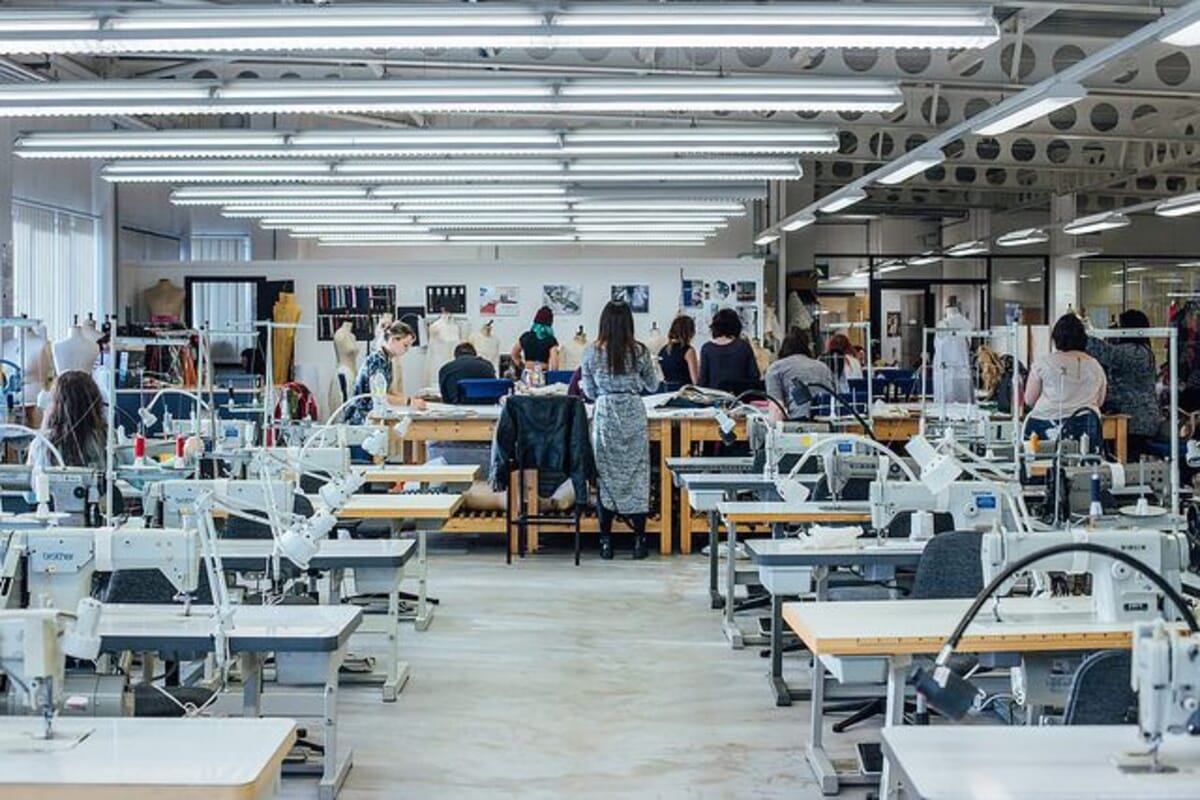
A fitness clothing manufacturer needs three things most apparel factories do not have: gusset construction, controlled-tension elastic application, and, if you want bras, lingerie-side skills. Everything else in this guide follows from those three.
Fitness clothing looks simple from outside. Leggings, a sports bra, a crop top. In production it is the most fit-sensitive category you can choose, and the tolerance for error is close to zero. A tee that runs 2 cm large is still a tee. A legging that runs 2 cm large is a returned legging.
The global activewear market was valued at around USD 440 billion in 2025 and is forecast to grow at roughly 9% a year to 2033 (Grand View Research). Growth that size means your customer already owns something that fits well, which is the standard your first order gets measured against.
Heads up: We're Portugal Clothing Factory, a group of 80 documented Portuguese clothing factories, 25 verified in person. Minimums, lead times and capability observations come from that group and reflect 2026 quotes. Market figures come from published sources, named inline.
Key Takeaways
- Fitness apparel is fit-critical: small grading errors produce returns rather than complaints.
- A panelled legging runs 25 to 40 sewing operations against 8 to 12 for a basic tee, which is what drives the cost.
- Size range multiplies cost. Every extra size is a new pattern grade and a new fit sample.
- Fabric needs 8-20% elastane and genuine opacity testing under stretch, not just on the roll.
- Realistic first order is four to six months once fit development and fabric procurement are included.
What Should a Fitness Clothing Manufacturer Be Able to Do?
Beyond the general sportswear manufacturing requirements, fitness apparel adds three specific capabilities, and they do not all sit in the same factory.
Gusset construction
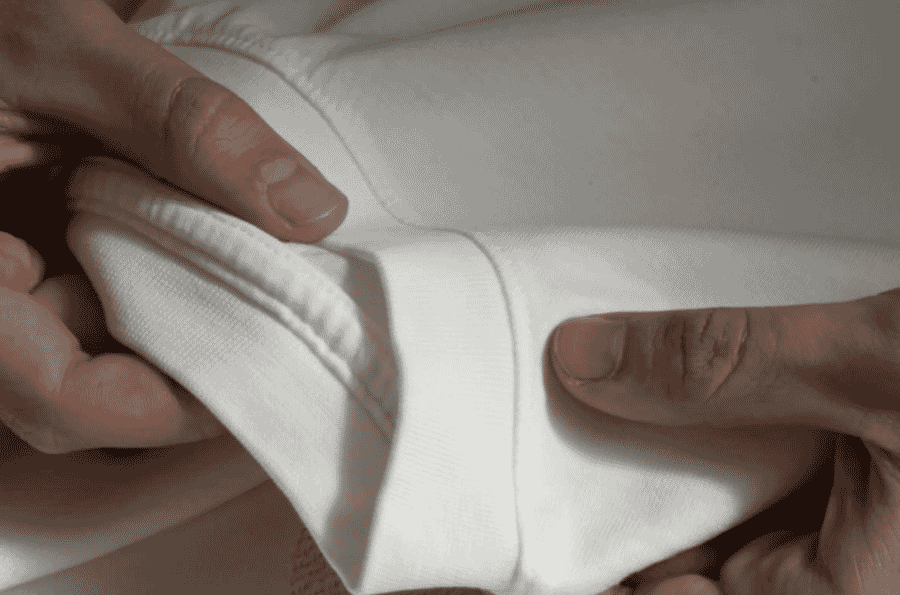
Gusset construction. A proper legging has a gusset. A diamond or triangular panel at the crotch that removes the four-way seam intersection. It prevents the seam failure that four-way joins cause under squat loading. Factories that skip it are producing a cheaper garment.
.jpeg?w=736&format=optimal)
Elastic application
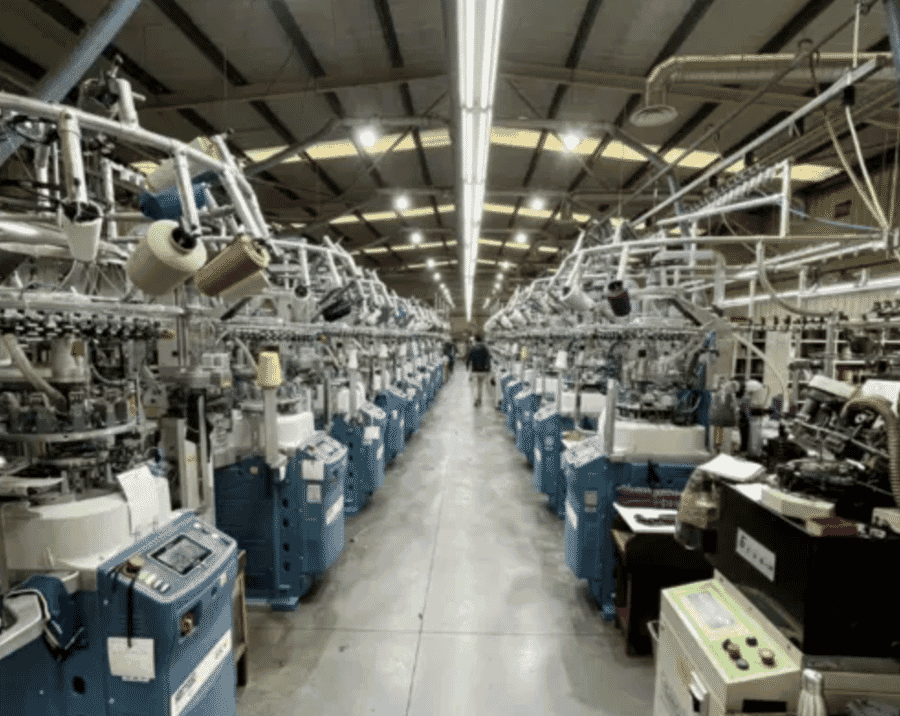
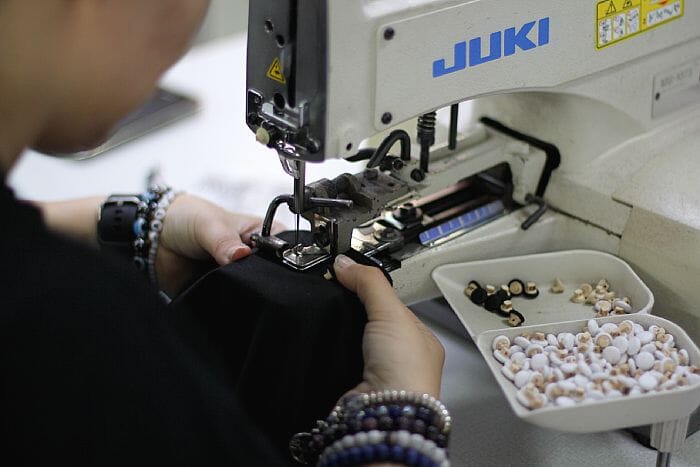
Elastic application. Waistbands, leg openings and bra bands all need elastic applied at controlled tension. Too tight and it digs; too loose and it rolls. This is a machine setting and an operator skill, and it is where cheap production shows first.
Bra construction
Bra construction. Sports bras involve cup shaping, band elastic, strap adjusters and sometimes moulded cups or removable pads. It is closer to lingerie construction than to sportswear, and not every activewear factory does it.
In our documented group, sportswear and underwear or swim are separate specialisations held by different factories. Those are different capability sets, and a bra programme frequently needs the second rather than the first.
Citation Capsule: Fitness apparel production requires three capabilities beyond general sportswear: gusset construction to eliminate four-way seam intersections under load, controlled-tension elastic application at waistbands and bands, and bra construction involving cup shaping and strap hardware. Bra production is closer to lingerie manufacturing than to activewear, and frequently requires a different factory than leggings.
Why Does Size Range Cost So Much?
Because every size is a separate engineering problem, not a scaled copy of the last one. Eight sizes in three colours is 24 separate combinations, and minimums frequently apply per combination rather than per style.
Why grading is not linear
Grading a legging is not linear. The relationship between waist, hip and inseam changes across the range, and a straight mathematical grade produces garments that fit at the middle sizes and fail at the extremes. Proper grading requires fit samples at more than one size.
Each additional size adds pattern work, a fit sample, and often a fabric consumption change that affects costing. Then minimums frequently apply per size combination rather than per style.
The practical advice for a first order is uncomfortable but correct: launch narrow. Four sizes, one or two colours, one silhouette. Expand once you have real sell-through data telling you which sizes actually move.
Try it free: Model your landed cost in the garment cost calculator before you decide your size range. 60 seconds, no email required.
What Fabric Do Fitness Clothing Manufacturers Use?
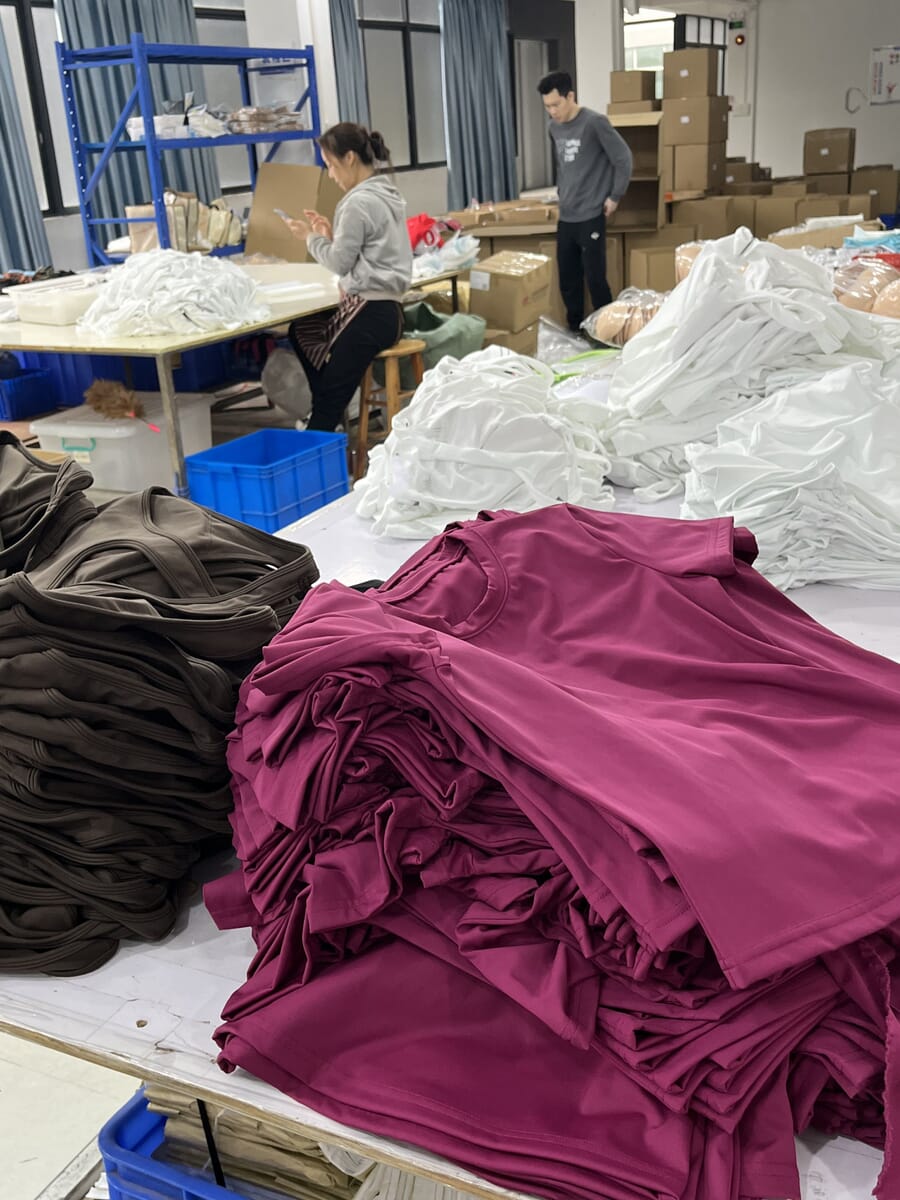
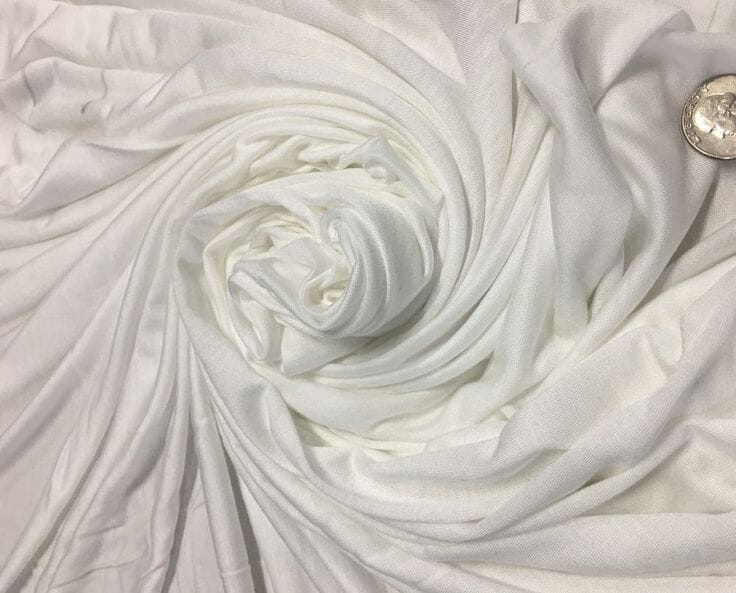
Fitness fabric has to do three things at once: stretch, recover, and stay opaque under that stretch. That means 8 to 20 percent elastane and, for a standard legging, 240 to 280 GSM. Our guide to GSM and fabric weight covers how weight is quoted and verified.
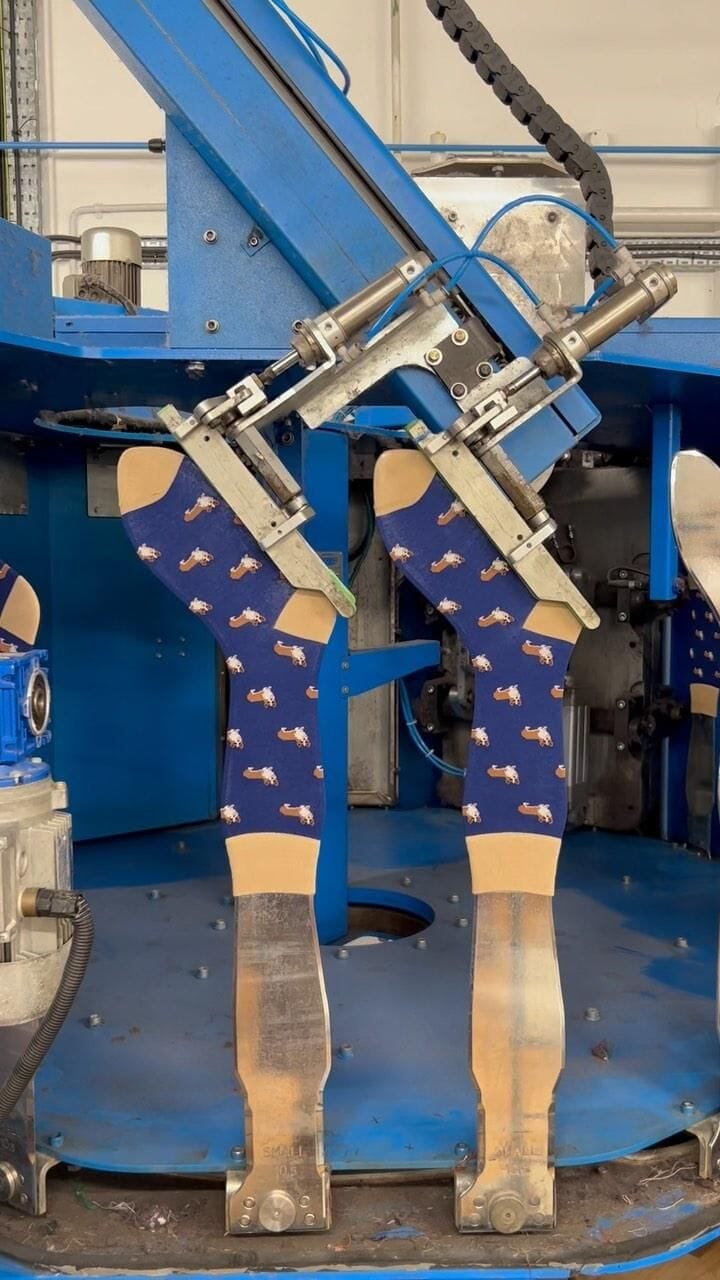
Polyester or nylon blended with 8-20% elastane covers most of the category. Nylon feels smoother and costs more; polyester takes sublimation print and costs less. Below 8% elastane the garment restricts movement. Above 20% it loses shape after washing.
Weight matters more here than in most categories:
| Application | GSM | Note |
|---|---|---|
| Light training legging | 190-230 | Cooler, less opaque |
| Standard legging | 240-280 | The commercial default |
| Sculpting / compression | 280-340 | Higher opacity, firmer hand |
| Sports bra body | 220-280 | Often matched to legging |
| Mesh panels | 100-150 | Ventilation only |
Opacity is the spec brands get wrong
Opacity is the specification brands most often get wrong. A fabric that looks opaque flat on a roll can become sheer at 40% stretch across the seat. Test it on a fit sample, on a body, under stretch. Not on a table.
Citation Capsule: Fitness apparel fabric requires 8-20% elastane content for stretch and recovery, with performance failing below 8% and shape retention degrading above 20%. Standard legging weight sits at 240-280 GSM. Opacity must be assessed on a stretched fit sample rather than on flat fabric, since fabric that appears opaque at rest can become sheer at approximately 40% stretch.
What Minimum Order and Lead Time Should You Expect?
The median minimum across our documented group is 175 units per style as of 2026, and fitness apparel sits at the upper end because technical fabric is usually made to order rather than held in stock. Our MOQ guide sets out how minimums are built, and lead times in Portugal covers the calendar in more detail.
Lead time is where fitness differs
Lead time is where fitness apparel differs most from basics. Production itself runs 7 to 10 weeks on 2026 quotes, with most of the group clustered between 7 and 10. But fit development on a legging or bra typically needs two or three sample rounds rather than one.
| Stage | Fitness apparel | Basic tee |
|---|---|---|
| Pattern and grading | 3-4 weeks | 2-3 weeks |
| Fit samples | 6-10 weeks (2-3 rounds) | 3-4 weeks |
| Fabric procurement | 4-8 weeks | 2-6 weeks |
| Production | 7-10 weeks | 7-10 weeks |
| Realistic first order | 4-6 months | 3-5 months |
Brands that budget one sample round on a legging almost always need a second. Plan for it rather than discovering it. How to order a clothing sample covers what to send and what to expect back.
Need a tech pack? Get a factory-ready single-style tech pack with graded measurements for €79. See what's included.
How Do You Test Fitness Apparel Before Production?
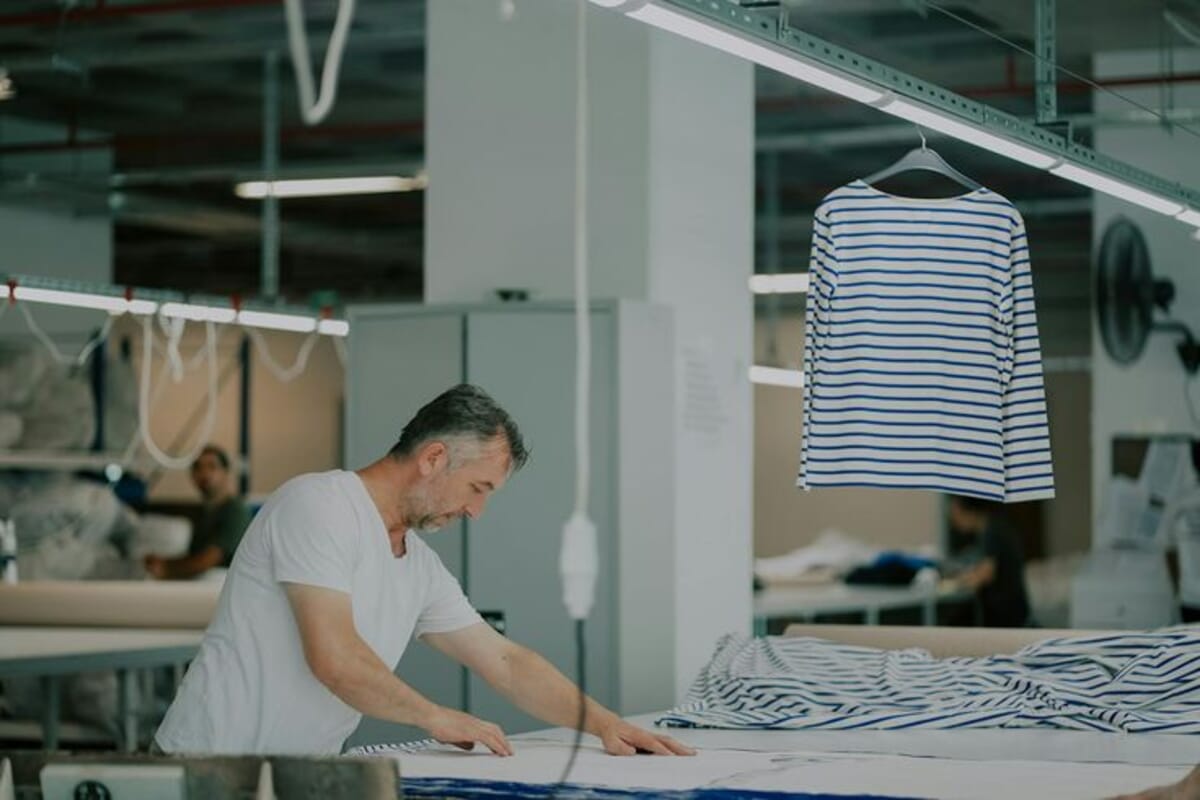
Four tests, and the first one is not a laboratory test at all. Shrinkage above 3 percent on a fitted garment is a return, so dimensional stability alone justifies the budget.
The four tests
Wear testing. Put the sample on real bodies doing real movement. Squat, lunge, run. Opacity failures, waistband roll-down and seam discomfort show up in ten minutes and never show up on a hanger.
Dimensional stability. Wash and dry the sample five times to the care label. Measure before and after. Shrinkage above 3% on a fitted garment is a return.
Colour fastness to perspiration. Fitness garments meet sweat constantly. This is a standard laboratory test and worth doing.
Pilling and abrasion. Inner thigh contact on leggings is the classic failure point.
Testing is done by independent laboratories, and it is a separate cost line. Budget for it on the first order rather than being surprised by it.
Find your factory: Developing leggings or a bra programme in Europe? Get in contact and we'll place your production with the factories set up for it.
What Does a Legging Actually Cost to Make?
Work from operations, not from fabric price. Our breakdown of clothing manufacturing costs in Portugal shows how the rest of the quote is built. A basic jersey tee runs 8 to 12 sewing operations. A panelled legging with a bonded waistband runs 25 to 40, so it costs three to four times as much to sew before fabric enters the calculation.
The cost lines specific to fitness
The cost lines specific to fitness apparel:
Technical fabric at a higher per-metre price than cotton jersey, and often made to order rather than held in stock.
Slower cutting. Elastane moves under the blade. Factories that handle it well use vacuum tables, which is capacity you are paying for.
Gusset construction. An extra panel and two extra seams, but it is what stops the crotch seam failing under load.
Elastic application at controlled tension for the waistband and leg openings.
Laboratory testing on the first order, billed separately.
The question to ask a factory
Cost per operation. A factory that tracks it can explain any quote and can tell you which construction changes would genuinely reduce price. One that cannot is estimating, and estimates get revised upward after sampling.
Citation Capsule: Fitness apparel production cost is driven by operation count rather than fabric price. A panelled legging with a bonded waistband requires 25 to 40 sewing operations against 8 to 12 for a basic jersey tee, a three to fourfold difference before fabric cost. Additional cost lines include vacuum cutting for elastane handling, gusset construction and controlled-tension elastic application.
How Do You Specify a Sports Bra?
Sports bras are closer to lingerie construction than to activewear, and specifying one as if it were a crop top produces an unwearable sample.
The five things a bra spec must state
Support level. Low, medium or high impact. This drives everything else and must be stated first.
.jpeg?w=735&format=optimal)
.jpeg?w=736&format=optimal)
Band construction. Elastic width, tension and whether the band is folded, bound or encased.
Cup treatment. Moulded, seamed or unstructured. Removable pads require a pocket and an opening.
Strap type. Fixed, adjustable or racerback. Adjusters are hardware and need a supplier.
Closure. Pull-over or hook-and-eye. A closure changes the factory you need.
Why it often needs a different factory
A bra programme frequently belongs with the underwear and swim factories rather than the sportswear ones, because the hardware handling and cup shaping are lingerie skills. We can place the production either way, but it is worth knowing before you ask one factory for both.
Ask directly whether the factory has produced bras with your closure and cup type. "We can do it" is not the same answer as "we produce 40,000 a year".
What Returns Rate Should You Expect, and How Do You Cut It?
Fitness apparel returns run high because fit tolerance is tight and the customer tests it immediately. The controllable causes are all upstream of production.
The four controllable causes
Sizing inconsistency across the range, caused by a straight mathematical grade.
Opacity failure under stretch, which flat fabric inspection does not catch.
Waistband roll-down, caused by elastic tension set wrong or a band too narrow for the fabric weight.
Shrinkage, where anything above 3% on a fitted garment changes the size.
The cheapest intervention
Wear testing. Put fit samples on real bodies doing real movement before approving them. Squat, lunge, run, sit. Every one of the four failures above shows up within ten minutes and none of them shows up on a hanger.
It costs a few hundred euros and a week. It is the highest-return spend in the entire development process.
What Fabric Certifications Do Fitness Brands Need?
Three, and they answer different questions a buyer will ask.
OEKO-TEX Standard 100 certifies that the finished article contains no harmful substances. It is the baseline European retail buyers ask for, and most serious activewear mills carry it.
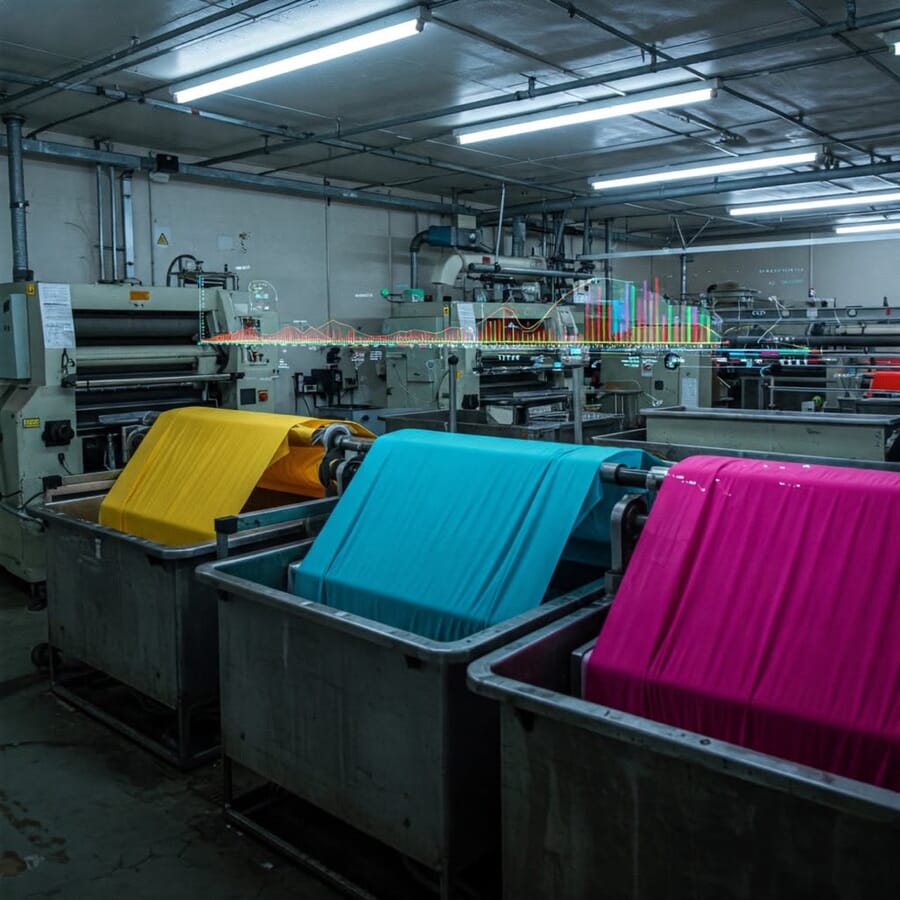
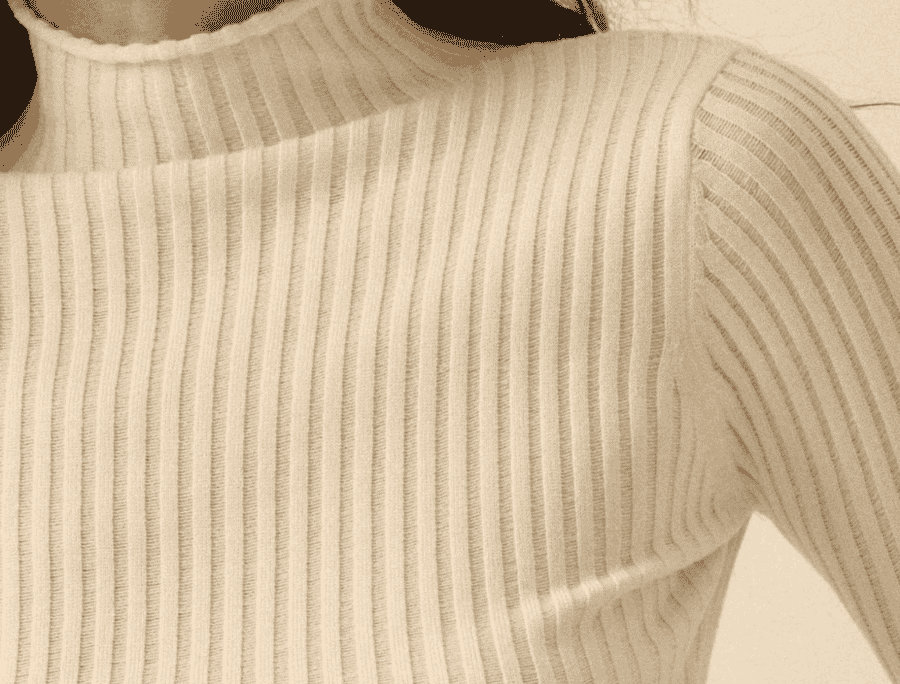
GRS verifies recycled content plus environmental and social processing criteria. Recycled polyester is now a standard expectation in activewear, and an unverified recycled claim is a legal exposure rather than a marketing risk.
Certification status changes as certificates are renewed, so ask us for the current list of certified factories in the group rather than relying on a number in an article.
bluesign covers chemical inputs across the whole production process. More common in technical outdoor than in general fitness apparel.
The chain-of-custody trap
A certified fabric does not produce a certified garment. The chain has to run unbroken through knitting, dyeing, finishing and making up. Buy GRS fabric, sew it in an uncertified factory, and you cannot make the claim.
Ask for certificate numbers, check them against the issuing body's public database, and confirm the factory itself is certified, not only the mill. Our guide to OEKO-TEX, GOTS and bluesign explains what each one covers.
How Do You Plan a Fitness Range Across a Season?
Build around a core that repeats and a margin that tests.
Core and test
The core. Two or three silhouettes that carry the range: a legging, a bra, a top. These reorder every season with colour changes only. Because the pattern is approved and the fabric is known, reorders run 8 to 12 weeks rather than the 4 to 6 months a first order takes.
The test. One or two new silhouettes per season, in a narrow size and colour range. If they sell, they join the core next season. If they do not, you have lost one style, not a range.
Why this structure beats a full seasonal refresh
Every new silhouette needs pattern development, multiple fit sample rounds and fresh grading. A range of eight new styles a season is eight development cycles, and no small brand has the cash or the calendar for that.
Brands that grow in this category almost always run a small core very well rather than a wide range badly. The core funds the testing.
Colour is the cheap lever
Adding a colourway to an approved style needs no pattern work and no new fit samples. It does trigger a dye lot minimum, commonly 300 to 500 metres on 2026 quotes, but it is by far the cheapest way to make a range feel new.
Citation Capsule: Fitness apparel range planning should combine a repeating core of two or three silhouettes with one or two test styles per season. Core styles reorder in 8 to 12 weeks because pattern and fabric are already approved, against 4 to 6 months for a first order. Adding a colourway to an approved style requires no pattern work but triggers a dye lot minimum of 300 to 500 metres.
What Should You Agree Before the First Bulk Order?
Five documents, and none is optional once you are committing real money.
The five documents
A technical specification per style, with graded measurements at every size you intend to sell.
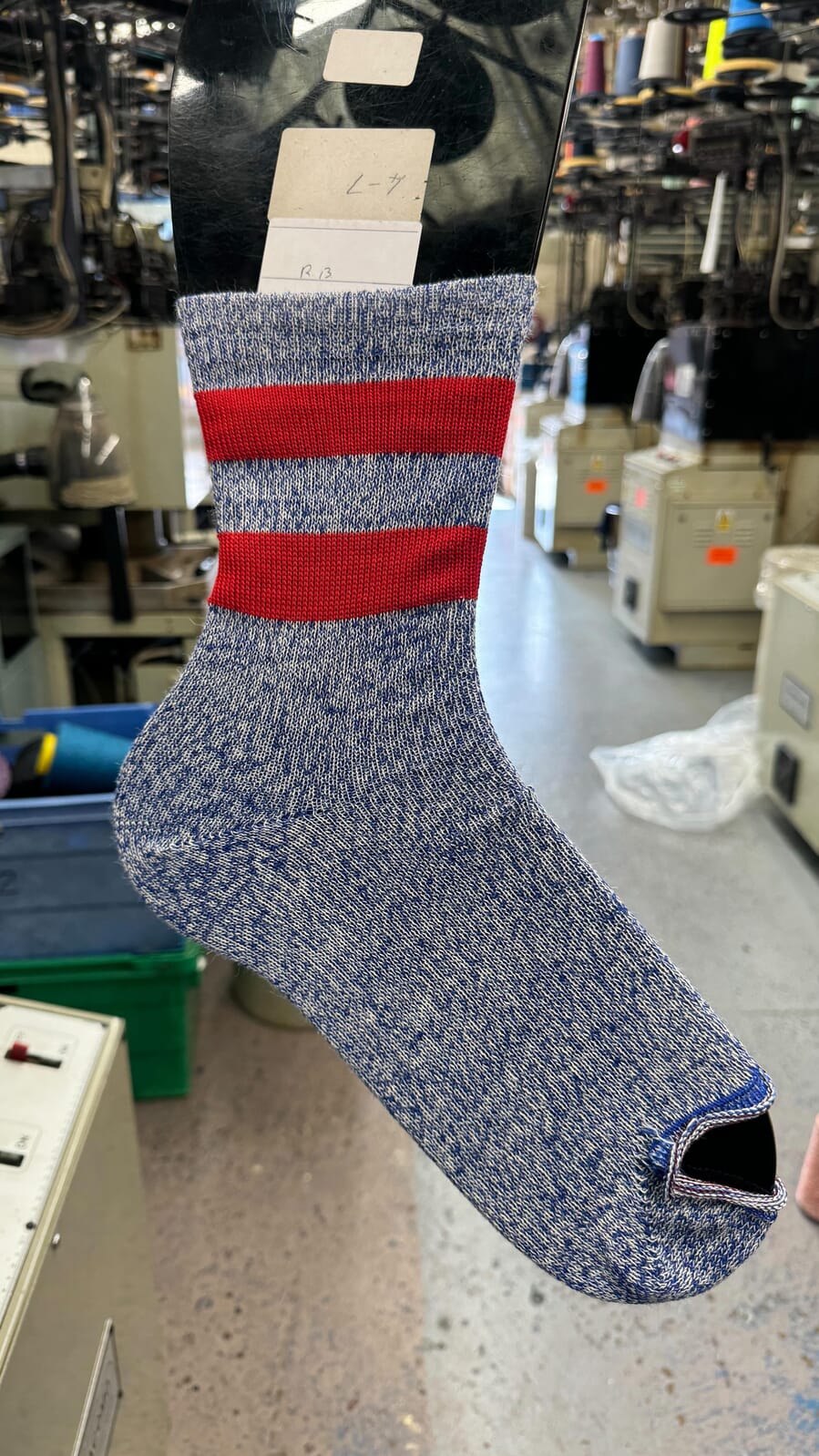
A signed pre-production sample. This is the reference the factory produces against and the only objective basis for accepting or rejecting a delivery.
A quality agreement with a defined AQL level, measurement tolerances per point of measure, and the remedy for each defect class.
Payment terms in writing, typically 30-50% deposit funding fabric purchase with the balance before shipment.
Pattern ownership. If the factory developed your pattern, ownership may not default to you. Agree it in writing before development starts, not when you want to move production. Red flags when choosing a manufacturer covers the rest of what to check.
The checkpoint that saves the most money
Pre-production sample approval. It is the last moment before bulk cutting, and approving it in a hurry is the most expensive time saving available in apparel. Measure it against your specification, wear test it, and only then release the order.
Conclusion: Getting Fitness Apparel Right
Fitness clothing punishes shortcuts more than any other basic category, because the customer notices fit immediately and returns are the mechanism.
Choose a factory on construction detail, gusset, elastic application, bra hardware, rather than on price. Launch with a narrow size and colour range and expand on real data. Budget for two or three fit sample rounds and for laboratory testing. And test opacity on a stretched body, not a flat roll.
Do those things and the category is genuinely rewarding. Skip them and the returns rate will tell you which one you skipped.
Talk to our team: Tell us the product, the size range and the volume. Get in contact, every serious brief gets an answer within 24 hours.
Frequently Asked Questions
What should I look for in a fitness clothing manufacturer?
Look for gusset construction on leggings, controlled-tension elastic application, and bra construction capability if you need it. Ask which seam machines the factory owns and request physical samples of comparable products rather than photographs, since seam quality on stretch fabric is tactile.
How many sizes should I launch with?
Four sizes in one or two colours is the realistic starting point. Every additional size requires pattern grading work and its own fit sample, and minimums frequently apply per size and colour combination, so eight sizes in three colours is 24 combinations rather than one style.
What GSM should leggings be?
Standard leggings run 240 to 280 GSM. Lighter training styles sit at 190 to 230 GSM with reduced opacity, while sculpting and compression styles run 280 to 340 GSM. Always verify opacity on a stretched fit sample rather than on flat fabric.
How long does it take to produce fitness apparel?
Budget four to six months for a first order. Production alone is 7 to 10 weeks, but fit development on leggings and bras typically needs two or three sample rounds, and technical fabric procurement adds four to eight weeks running partly in parallel.
How do I stop leggings being see-through?
Specify opacity as a requirement and test it on a stretched fit sample on a body, not on flat fabric. Higher GSM helps, as does a tighter knit construction and darker colour. Fabric that reads opaque at rest frequently becomes sheer at around 40% stretch.
What AQL level should I use for fitness apparel?
AQL 2.5 for major defects and 4.0 for minor is the commercial standard, with zero tolerance on critical safety defects. Define measurement tolerances per point of measure as well, since fit disputes on compression garments almost always originate there rather than in visible defects.
Can one factory make both leggings and sports bras?
Sometimes, but not usually. Bras involve cup shaping, band elastic and strap hardware, which are lingerie skills rather than activewear skills. In our documented group the sportswear specialists and the underwear and swim specialists are different factories, and a bra programme frequently belongs with the second set.
We're a group of 80 documented Portuguese clothing factories, 25 verified, based in Porto and Guimarães. Tell us your product, volume, and timeline. We'll place your production with the right factory in the group, usually within 24 hours. Flat fees, no commissions, no upsell.
Get in contact Download the directory (€39)Need a tech pack? Get a factory-ready single-style tech pack for €79. See what's included.
Sources
- Grand View Research, Activewear Market Report. Global activewear market valued at USD 440.4 billion in 2025, forecast CAGR of 9.0% from 2026 to 2033
- Portugal Clothing Factory group documentation, 80 Portuguese factories, 2024-2026. Median minimum of 175 units per style, production lead times, operation counts and capability splits
- AQL sampling levels per ISO 2859-1 for the inspection standards described above
Portugal Clothing Factory is a group of 80 documented Portuguese clothing factories, 25 verified, in the northern textile cluster (Porto, Guimarães, Braga, Barcelos, Famalicão). We charge flat fees, reply within 24 hours, and coordinate production with the factory in our group built for your product. See how we work or get in contact to place your order.
.jpeg)