Most brands looking for a clothing manufacturer are actually looking for three different things at once: somebody to develop the product, somebody to buy the fabric, and somebody to sew it. Those are frequently three separate businesses, and the single biggest source of wasted time in apparel sourcing is not knowing which one you are asking for.
This guide covers what clothing manufacturers actually do, how the different arrangements work, what minimums and costs look like in practice, how to tell a factory from an agent, how to run a first order, and how to build a relationship that survives past it.
Key Takeaways
- CMT means the factory cuts and sews fabric you supply. Full package means they handle sourcing and development too.
- Minimums are set per style and per colourway, and fabric usually sets the real floor.
- At our factories the working minimum is 100 units per style and colour.
- A tech pack is what separates an enquiry that gets quoted from one that gets ignored.
- Development costs are paid before production and are a separate budget entirely.
What does a clothing manufacturer actually do?
It converts fabric into finished garments. Everything else in the process is a separate service that may or may not be included.
Cutting and sewing is the core
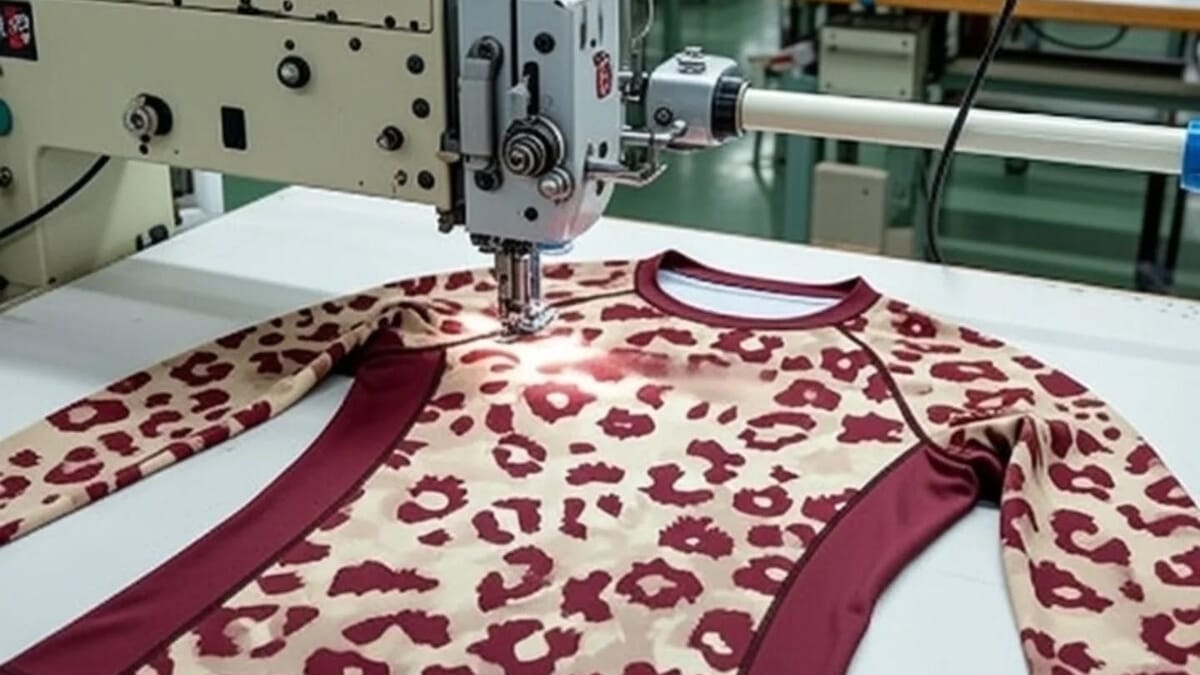
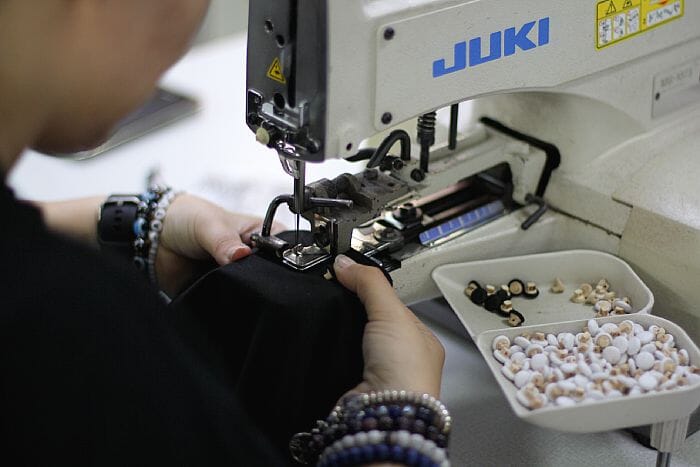
Fabric is spread in plies, a marker holding the pattern pieces is laid over it, the pieces are cut, and then assembled through a sequence of operations. That sequence, and how long each operation takes, is what determines the price of a garment more than anything else.
Development is not automatic
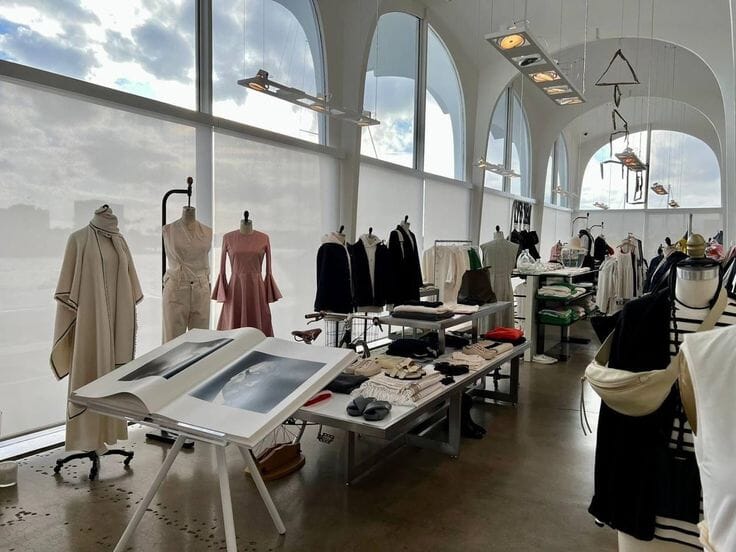
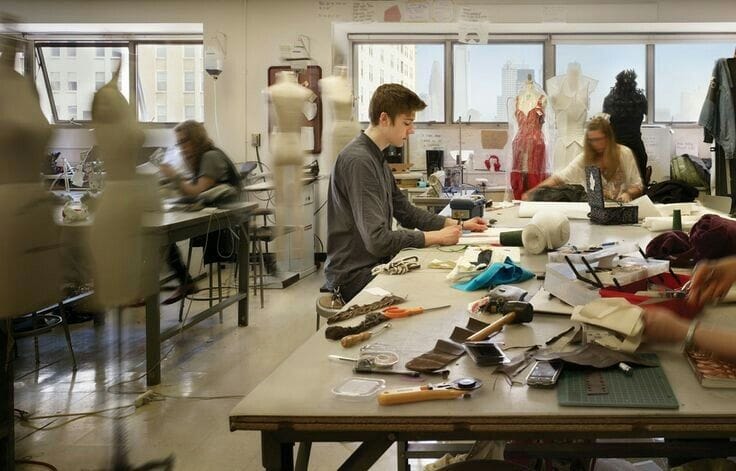
Pattern making, grading, sample development and fit correction are skilled work with their own cost. Some manufacturers have a pattern room and offer it, many expect you to arrive with production-ready patterns, and assuming it is included is where most first programmes stall.
Sourcing may or may not be included
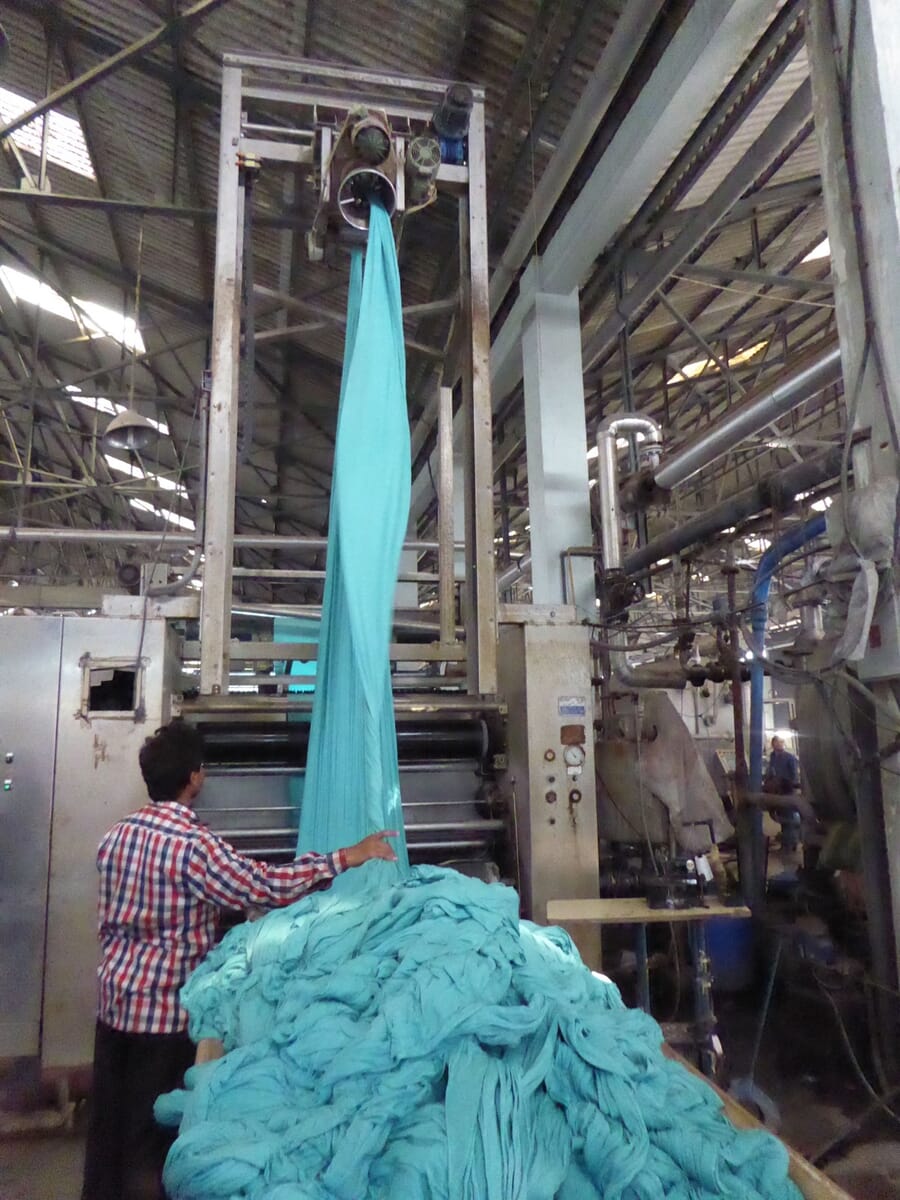
In some arrangements you supply the fabric and trims. In others the factory sources them. This single distinction changes a quote more than any other variable, and a brand that has not specified which it wants will receive incomparable numbers from different factories.
Finishing and packing vary
Pressing, trimming, labelling and inspection are usually included. Retail-ready presentation such as hangtags, specific folds or header cards may be quoted separately, so specify what you need rather than assuming it.
What are the different manufacturing arrangements?
CMT, full package and private label describe how much of the process the factory takes on, and they are priced very differently.
CMT
Cut, make and trim (see CMT vs full package). You supply the fabric and usually the trims, the factory cuts and sews. This is the cheapest arrangement per garment and it requires you to manage fabric sourcing, trim ordering, delivery timing and consumption allowances yourself.
Full package
The factory handles development, sourcing, production and often packing. You supply a specification and a quantity, they deliver finished goods. It costs more per unit because the factory is carrying more work and more risk, and for a brand without technical capability in house it usually costs less overall.
Private label
Garments made to your specification carrying your label. This can be delivered as CMT or as full package, and the term describes ownership of the design rather than the production arrangement, which is why it causes so much confusion in enquiries.
White label
A factory's existing product rebranded for you. Nothing is made to your specification and anyone can buy the same garment. Brands are frequently sold white label as private label, and the difference becomes apparent when a competitor launches something identical.
What minimums should you expect?
Minimums attach per style and per colourway, and the fabric usually sets the floor rather than the factory.
Citation capsule: Minimum order quantities in garment manufacturing attach per style and per colourway rather than per order, so one style in three colours is three minimums. Across the factories in Portugal Clothing Factory's group the working floor is 100 units per style and colour, and where fabric must be woven or knitted to order rather than pulled from stock the mill's own minimum can set a higher floor than the factory's.
Per style, per colour
Each style needs its own pattern, marker and setup. Each colour needs its own fabric commitment and its own cut. Adding a third colour to a two-colour range multiplies the total commitment rather than splitting it, which is the arithmetic that most surprises brands planning a first range.
Fabric is usually the constraint
Where fabric has to be made rather than bought from stock, the mill's minimum is frequently higher than the factory's and becomes the binding constraint. Designing toward a fabric a mill already runs is the single most effective way to bring a first order into reach.
Our working minimum is 100 units
Across the factories in our group, 100 units per style and colour is the practical floor for cut-and-sew production. Below that the setup cost dominates the unit price to the point where the arithmetic stops making sense for either side.
Setup does not scale down
Grading a pattern, making a marker, spreading fabric, threading machines and training an operator on a new construction cost roughly the same at 100 pieces as at 5,000. That fixed cost is the whole explanation for minimums, and it is not a negotiating position. Our guide to minimum order quantities covers how to plan a first range around them.
What does production actually cost?
Development first, then a unit price built from operations, with fabric usually the largest single input.
Development is a separate budget
Patterns, fit samples, corrections and a pre-production sample are paid before any saleable garment exists, and they are the same work regardless of where production happens. Brands that fund development from the production budget arrive at production with nothing left.
Operations drive the making cost
A factory costs a garment by the operations required and the time each takes. More seams, topstitching, linings, pockets and closures all add time. This is why two garments that look similar can be priced very differently, and why simplifying construction reduces cost more reliably than negotiating.
Fabric dominates the material cost
In most garments fabric is the largest single input by cost, and in heavier categories it dominates completely. The fabric decision therefore drives the economics more than the labour rate does, which is why it should be settled first.
The curve flattens
Unit price falls steeply between very small and moderate quantities as setup spreads across more pieces, then levels off. Knowing roughly where that curve flattens for your product tells you the quantity at which production makes commercial sense. For the full cost picture, see what clothing manufacturing costs in Portugal.
What do you need before contacting a factory?
A tech pack, a quantity, a delivery date, a fabric direction and a budget you have checked.
A tech pack
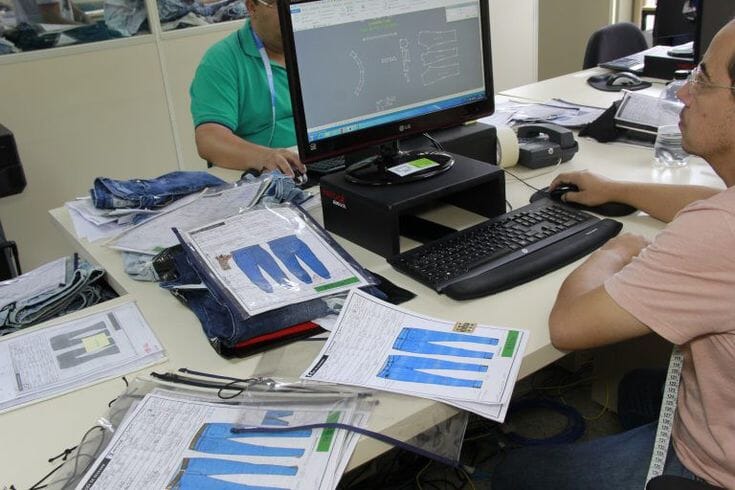
Garment type, construction, fabric weight and composition, a size range, a measurement chart, trims, labels and finishing. Without it a factory is guessing, and the quote will move once reality arrives. This is the single highest-return document a new brand can produce.

A committed quantity
Factories schedule and price against a number, per style and per colourway. A range is not a number, and a brand that changes its quantity after quoting has reset the conversation.
A delivery date tied to something real
A launch, a season or a trade event tells a factory how to slot you. A vague as soon as possible signals that nothing is planned and deprioritises you against customers with fixed dates.
A realistic budget
Arriving with a price expectation drawn from a different sourcing region wastes everybody's time. Establish a realistic landed cost before you start rather than discovering it three conversations in.
How do you tell a factory from an agent?
Ask what happens in their building, and ask about your specific order rather than their capabilities in general.
Citation capsule: A factory owns machines and can be visited; an agent or factory group places the order with one. The distinguishing questions are whether the company will name the factory that will make the order, whether it will let you speak to whoever runs the line, and how it is paid. A group paid commission by the factory has different incentives on price than one paid a flat fee by the brand.
Search results are full of intermediaries
Many pages ranking for manufacturer terms belong to agents, trading companies and marketing sites rather than factories. That is not inherently a problem, and it becomes one when a brand believes it is speaking to the producer and is several parties removed from them.
Ask which operations are in house
Cutting, sewing, printing, embroidery, washing and finishing are separate capabilities and few businesses hold them all. Ask which happen on site and where the subcontracted ones go. A specific answer is a good sign; a general claim of full service is not an answer.
Ask about the fabric
A manufacturer can tell you where fabric comes from, who knits or weaves it and what the lead time is. An agent will describe fabric options without being able to name a mill. This question separates the two faster than any other.
Visit, or have someone visit
A visit tells you how many people are working and what equipment is running, which is information no document provides. A business quoting for volume it visibly cannot produce in house is subcontracting, whatever the conversation said.
How do you evaluate a factory once you have a shortlist?
On machinery, fabric access, comparable work and how they respond to your tech pack.
Machinery determines what is possible
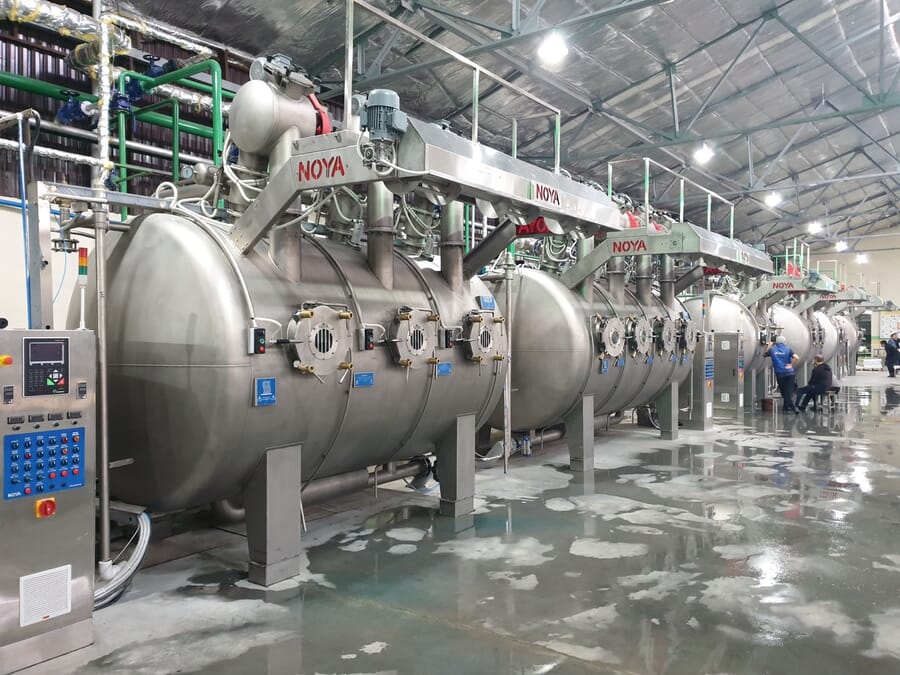
Flatlock and coverstitch for knits, chainstitch and bartackers for denim, heavy machines for workwear, specific equipment for tailoring. A factory adapting the equipment it has to your garment will compromise somewhere visible.
Comparable work matters more than certifications
Ask what categories and volumes they run and whether they can point to similar work. A factory accustomed to your category and your scale will be a better partner than a more impressive one that is not.
The response to your tech pack is a signal
A factory that comes back asking about seam allowances, shrinkage tolerance, label placement or how the size run should be weighted is reading properly. One that returns a number with no questions has either made this exact garment many times or has not looked closely.
Ask whether your volume interests them
Ask directly, and treat an honest no as useful. A factory that takes work it considers too small will deprioritise it whenever a larger customer needs the line, and that lands on your delivery date rather than in the conversation.
Where should you manufacture?
Where the capability for your specific product sits, which is a category question before it is a country question.
Category comes first
Knit basics, tailoring, denim with wash capability, technical outerwear and knitwear are different industrial capabilities using different equipment. A factory excellent at one frequently cannot do another at all, and this eliminates most of any list immediately.
Europe suits short lead times and low minimums
European production, including Portugal, generally offers shorter lead times, lower minimums and easier oversight than long-haul sourcing, at a higher unit price. For brands whose main loss is unsold inventory rather than unit cost, that trade frequently works.
The European context is worth stating plainly, because it affects whether a factory answers you. The EU-27 textile and clothing industry turns over EUR 166 billion across nearly 200,000 companies employing 1.2 million people (EURATEX), and it remains under pressure: in Q2 2026 EU clothing production was down 6.2% and clothing turnover down 3.9% year on year (EURATEX).
That contraction cuts both ways. Capacity is leaving the sector, and factories with spare capacity are more willing to look at a well-prepared small brief than they were when order books were full.
Portugal's strength is the northern cluster
The northern Portuguese textile region around Porto, Guimarães, Braga, Barcelos and Famalicão holds spinning, knitting, dyeing, finishing and cut-and-sew capability within a small area. That density is what allows short runs to be produced efficiently, because fabric, trims and finishing are all close together.
Portugal's own numbers put the cluster in proportion: textile and clothing exports were about EUR 5.5 billion in 2025 (RTP / Lusa, provisional INE data). It is also under pressure: Portuguese industry bodies have called for urgent measures after a first half of 2025 in which most companies reported falling turnover and production (FashionNetwork).
Distance changes the relationship
Producing within a few hours of your market means fit sessions, factory visits and quick reorders are practical. Producing eleven time zones away means they are not, and the difference shows up in how quickly problems get solved.
How does a first order actually run?
Development, sampling, approval, production, inspection, delivery, and most of the calendar sits before sewing starts.
Development runs longer than planned
Pattern making, a first fit sample, corrections, a second sample and approval is a sequence with waiting built into every step. Brands allowing two weeks for this are usually out by a factor of several, and the resulting pressure leads to approving a sample that was not ready.
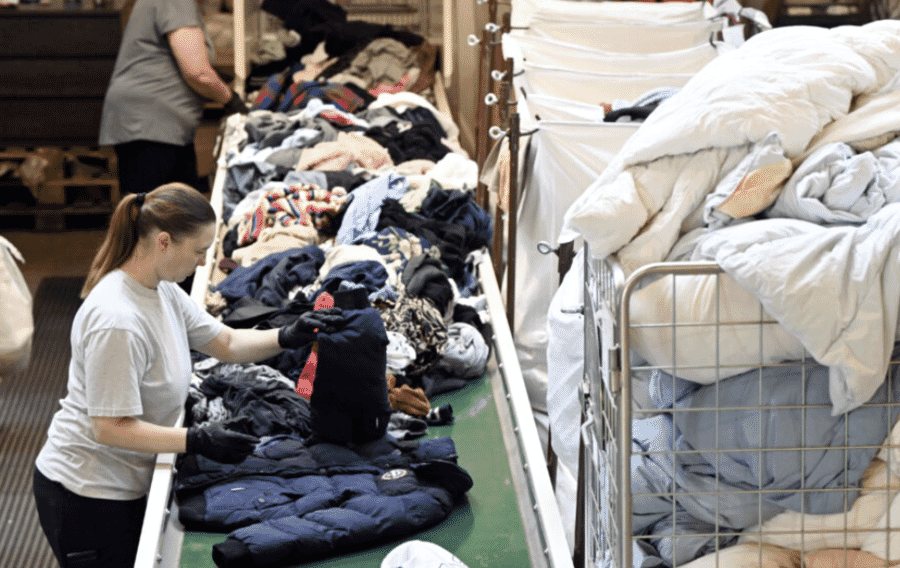
Fabric sits at the front
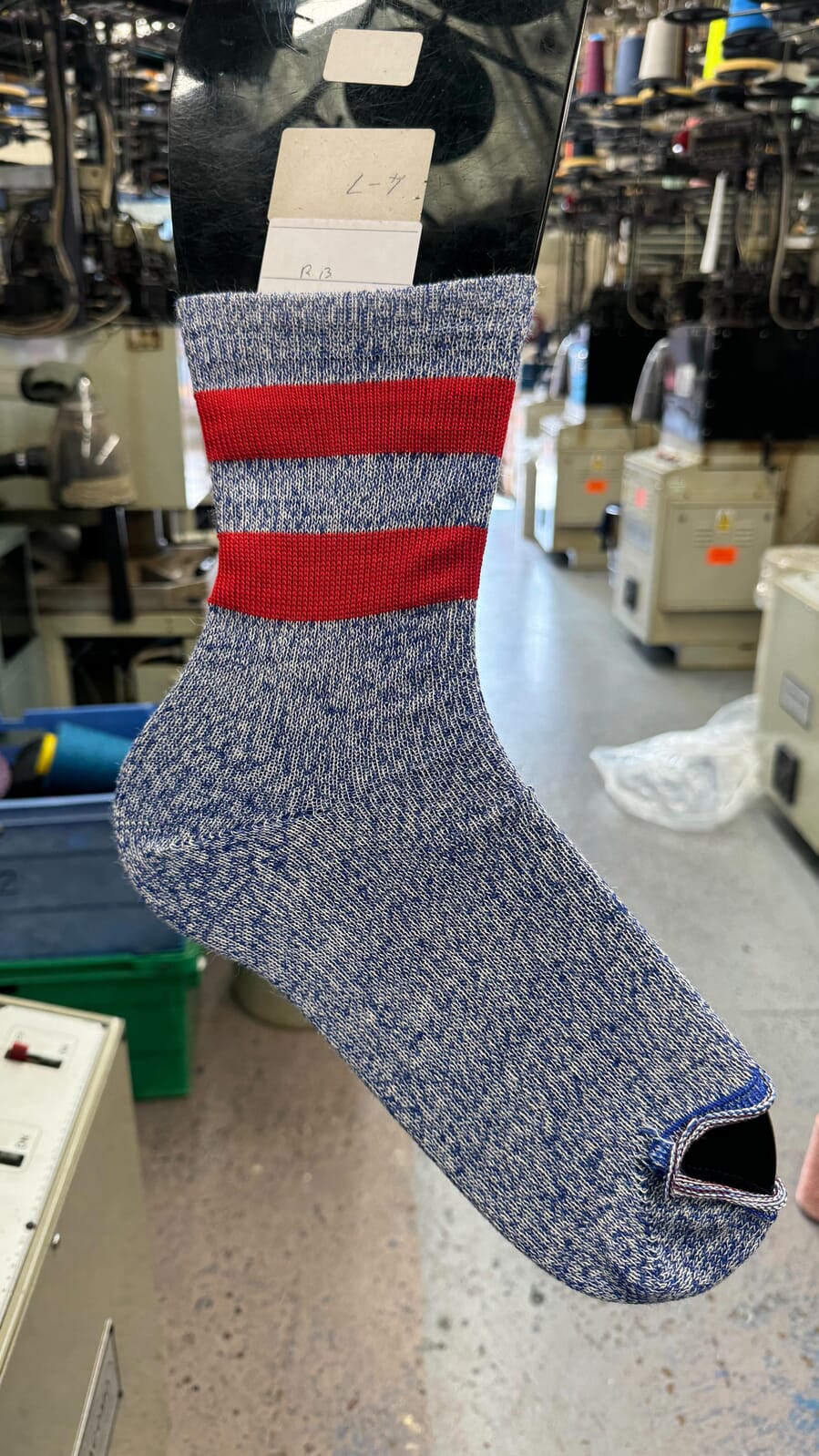
Where fabric has to be made rather than bought from stock, mill scheduling and minimums consume the part of the calendar mentally allocated to production. Any schedule built backwards from a launch date without a confirmed fabric commitment is a guess.
Sewing is the fast part
Once fabric and trims are in the building and the style is approved, the production run itself is usually the shortest stage. This surprises brands who imagine manufacturing as the long pole, and it explains why pressure applied at the end rarely recovers time lost at the beginning.
Inspect before the balance clears
Arrange to see the goods, or have someone see them, before final payment and before they ship somewhere awkward to return from. This is the point at which problems are cheapest to fix, and factories operating properly expect it.
What mistakes end most first programmes?
No tech pack, unrealistic quantities, choosing on price alone, and running out of money during development.
Arriving with an idea rather than a product
A factory cannot quote an idea. Converting the idea into a specification before contacting anyone is the single highest-return action available, because it is the step that unlocks every subsequent one.
Treating trims as an afterthought
Thread, labels, zips, elastic, buttons and interlining are cheap, small and the most common reason a production run stops. Order them when you order fabric rather than when production is scheduled.
Choosing the cheapest quote
The lowest quote frequently comes from the factory that understood the job least, and the difference reappears as change requests, delays and quality problems. A factory that flags a flaw in your specification before quoting is worth more than one that quotes lower silently.
Skipping the pre-production sample
A fit sample proves the pattern. A pre-production sample, made in production fabric on production machinery, proves the factory can make it. Approving production from a fit sample is how a problem gets reproduced across an entire run.
How do you build a relationship that lasts past the first order?
Pay on time, forecast honestly, keep your standards consistent, and stay long enough for the factory to learn your product.
Payment behaviour buys scheduling priority
Factories run on cash, and a brand that pays on agreed terms is materially easier to work with than one that does not, regardless of order size. Payment reliability buys you a place in the schedule in a way that negotiating on price never does, and it costs nothing beyond planning your own cash flow properly.
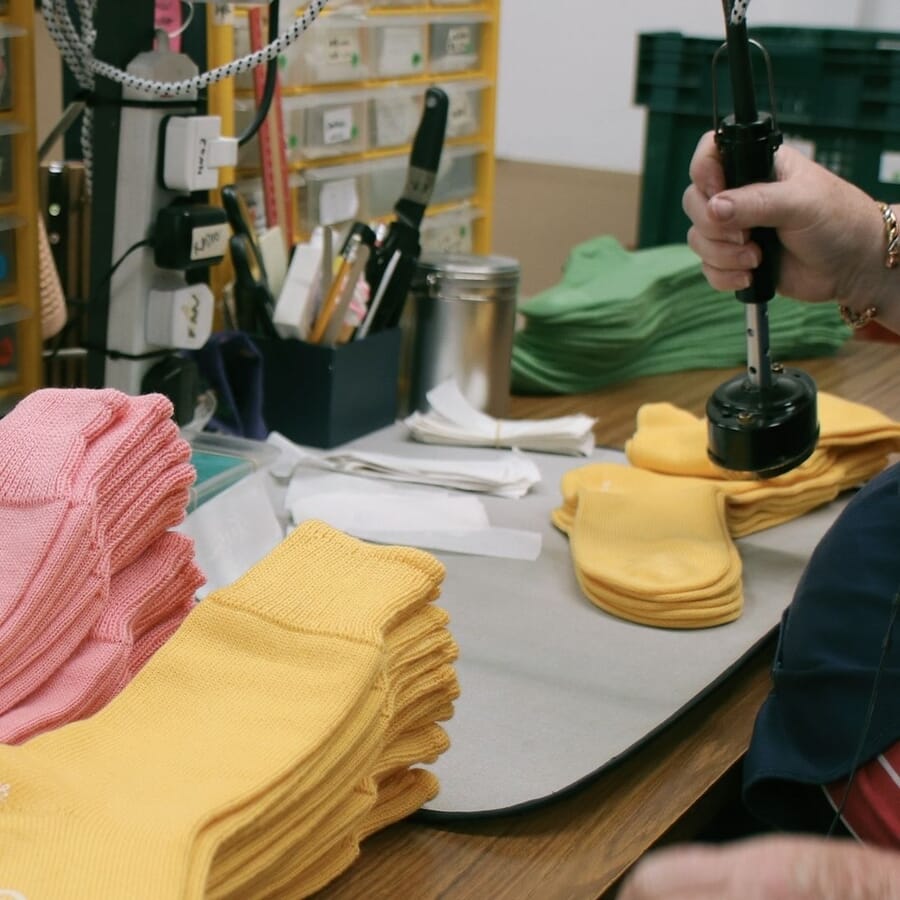

Forecasts let a factory plan for you
A factory that knows roughly what is coming can reserve capacity and buy trims ahead. A brand that appears without warning needing a slot next month is asking for something it did not make possible. Rough forecasts, offered voluntarily and honestly revised, are among the cheapest things a brand can give a factory.
Consistency on your side matters
Standards drift with the person approving samples, so whoever attends fit sessions and signs off production should stay the same across seasons. Continuity on the brand's side does as much for consistent quality as anything the factory controls, and factories notice immediately when it is absent.
Moving factories costs more than it saves
Every new factory relearns your patterns, your tolerances and your expectations, and that relearning shows up as fit drift between seasons. Chasing a small unit price difference by changing supplier usually costs more in inconsistency and development time than the saving is worth.
What should you agree before production starts?
Tolerances, a sealed sample, payment terms and what happens when something goes wrong.
Write the tolerances down
Every measurement needs an acceptable range, because no production run hits a number exactly. A brand that has not stated its tolerances has no basis for rejecting a garment that misses, and the discussion after delivery comes down to whose expectation was documented rather than whose was reasonable.
Seal a reference garment
An approved pre-production sample, sealed and retained by both parties, is the physical standard both sides share. It settles later disagreements about whether production matched what was agreed, costs nothing at the point of approval, and is impossible to recreate afterwards.
Agree payment terms explicitly
Deposit, balance, and what triggers each should be written down before production starts. A brand that pays in full on a shipping notification has given up its only use at exactly the moment problems are cheapest to fix.
Agree what happens if something is wrong
Every factory encounters short fabric, a measurement out of tolerance or a delayed trim. The question is not whether problems occur but whether they are raised early and how they are resolved. A factory that describes a specific process for flagging issues mid-production is describing something it actually does.
Working with Portugal Clothing Factory
We are a group of documented Portuguese factories in the northern textile cluster. The part that usually matters most is the step before production: turning a product into something a factory can quote accurately, then placing and managing production with the factory built for it.
Minimums in our group start at 100 units per style and colour. We charge flat fees and take no commission on production, and the factory invoices you directly.
Get in contact with the item, the quantity and the timeline.
Frequently asked questions
What is the difference between CMT and full package?
CMT means you supply fabric and trims and the factory cuts and sews. Full package means the factory handles development, sourcing and production. Full package costs more per unit and frequently less overall for a brand without technical staff.
What is a realistic minimum order quantity?
Minimums attach per style and per colourway. Across our factories the working floor is 100 units per style and colour, and where fabric has to be made rather than bought from stock the mill's minimum can be higher.
Do I need a tech pack?
In practice yes. It is what allows a factory to quote accurately rather than guess, and it is the clearest signal that an enquiry is worth the hour it takes to price.
How long does a first order take?
Months rather than weeks, with most of the calendar in development and fabric rather than in sewing. Any timeline built backwards from a launch date without a confirmed fabric commitment is a guess.
How do I know if I am talking to a real factory?
Ask which operations happen in their own building, where the fabric comes from and who makes it, and ask for comparable work. Manufacturers answer specifically; agents describe options without naming producers.
Is it cheaper to manufacture overseas?
On unit price, frequently. The comparison worth making is landed cost including duty, freight, transit financing and delay risk, set against the commercial value of short lead times and low inventory risk.
We're a group of 80 documented Portuguese clothing factories, 25 verified, based in Porto and Guimarães. Tell us your product, volume, and timeline. We'll place and manage your production with the right factory in the group, usually within 24 hours. Flat fees, no commissions, no upsell.
Get in contact Download the directory (€39)Need a tech pack? Get a factory-ready single-style tech pack for €79. See what's included.
Sources
- EURATEX, Facts and Key Figures. Source for EU-27 textile and clothing turnover of EUR 166 billion across nearly 200,000 companies employing 1.2 million people.
- EURATEX, Economic Update (second quarter 2026). Source for EU clothing production down 6.2% and clothing turnover down 3.9% year on year in Q2 2026.
- RTP / Lusa. Source for Portuguese textile and clothing exports of about EUR 5.5 billion in 2025 (provisional INE data).
- FashionNetwork. Source for Portuguese industry calling for urgent measures after a first half of 2025 in which most companies reported falling turnover and production.
- PCF placement records across the documented factories in our group. Source for the 100-unit working minimum on this page.
Portugal Clothing Factory is a group of documented Portuguese clothing factories in the northern textile cluster (Porto, Guimarães, Braga, Barcelos, Famalicão). We charge flat fees, reply within 24 hours, and place and manage production with the factory in our group built for your product. See how we work or get in contact.