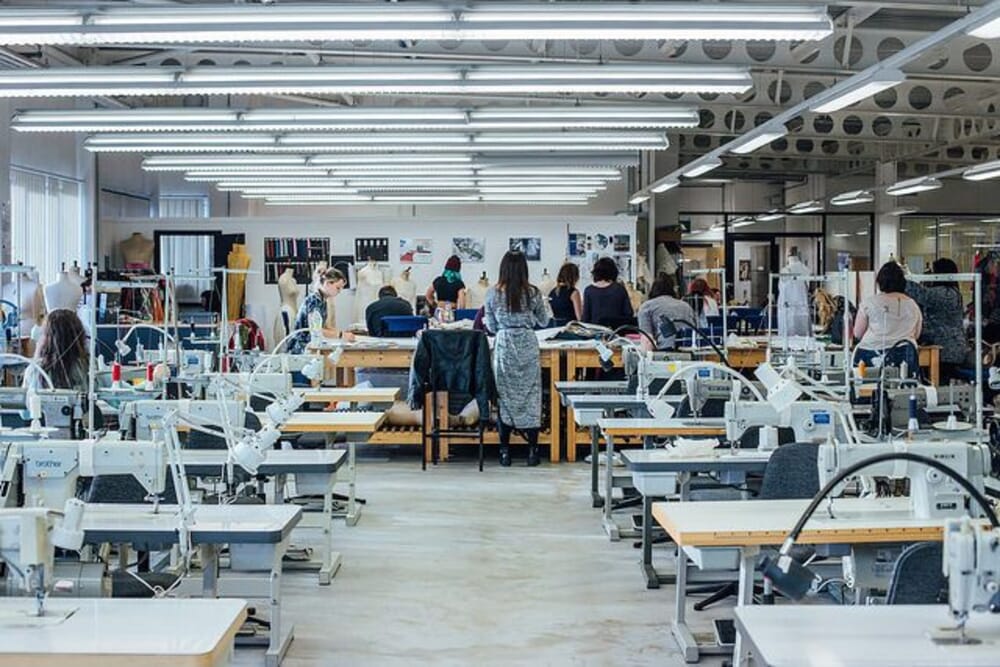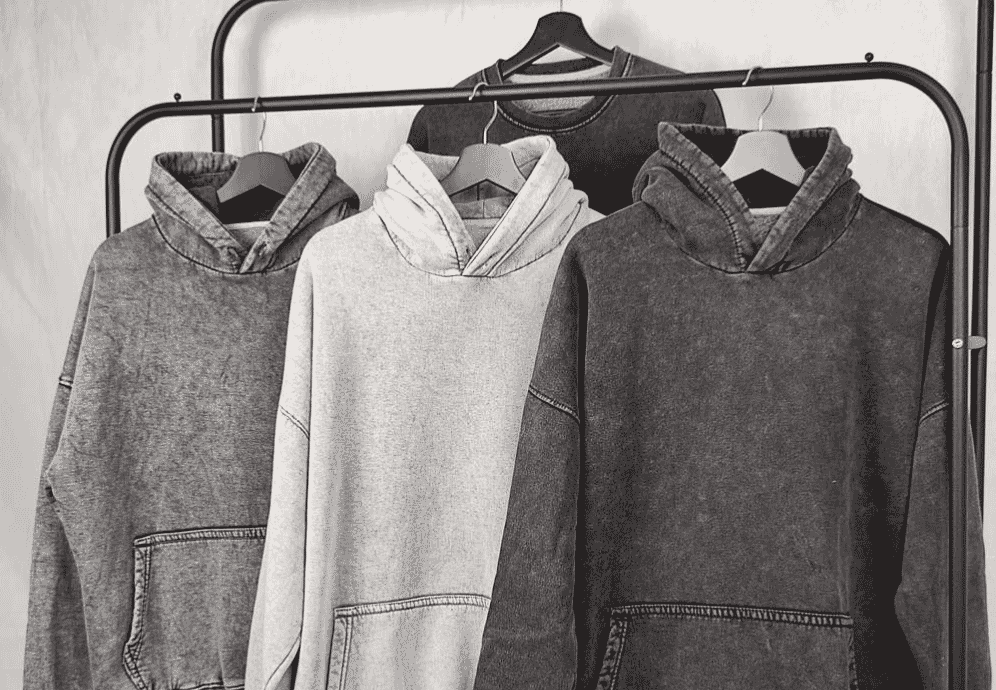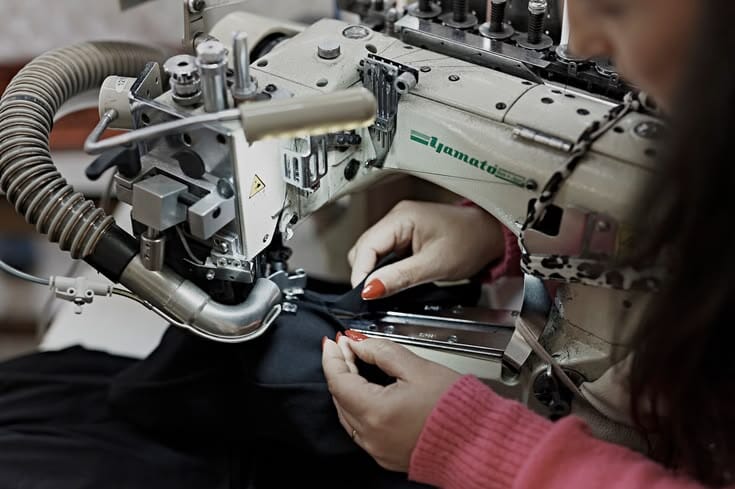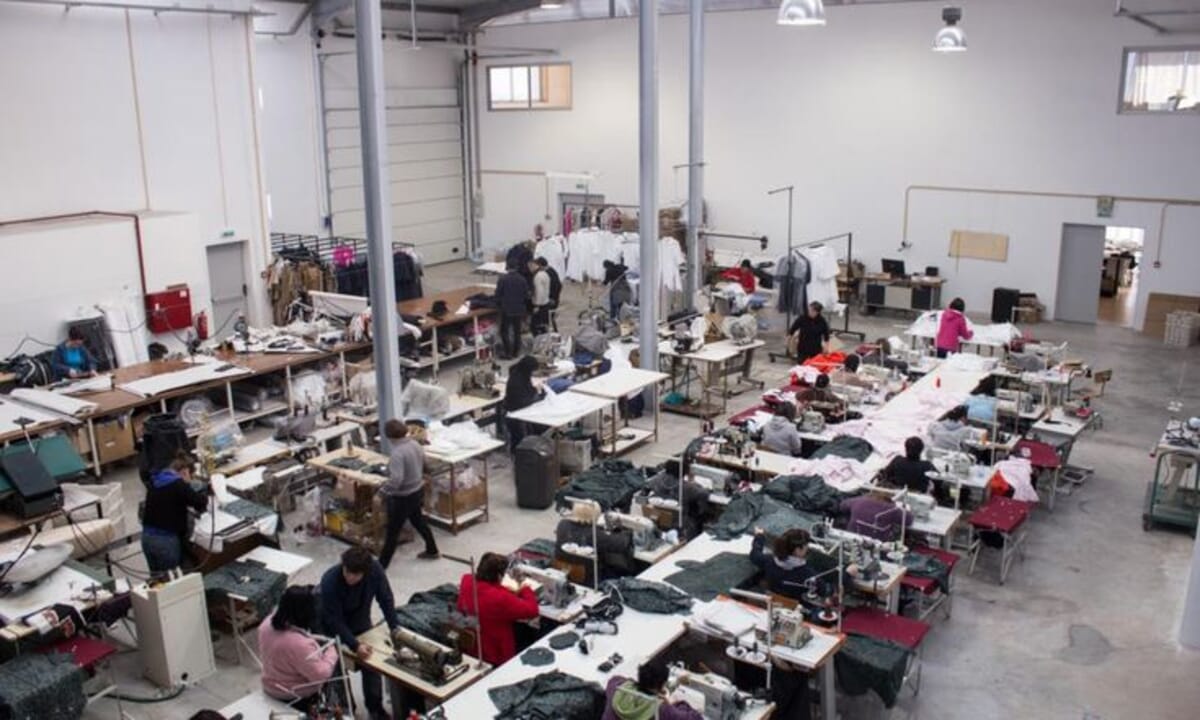
"Full-service" is one of the least standardised terms in apparel sourcing. Two factories using the phrase can be offering very different things, and the difference usually becomes visible only when something goes wrong.
At its most useful, full-service means the factory takes responsibility for everything between your design and your finished goods: pattern, sampling, fabric sourcing, production, quality control and packing. At its least useful, it means the factory will arrange those things through third parties without owning the outcome. This guide covers how to tell which one you are buying.
Heads up: We're Portugal Clothing Factory. Our team places and manages clothing production with documented factories in northern Portugal, from 100 units per style. The factory bills you directly for production. The questions below are the ones we ask before placing an order, and you can use them with any supplier.
Key Takeaways
- Full-service means ownership, not a list of services: the factory owns pattern, sourcing, sampling, production, QC and packing.
- The practical test is who fixes it when fabric arrives wrong, not what the website says.
- Full-service usually carries higher minimums than CMT, because the factory buys materials before it is paid in full.
- It is worth paying for when you have no sourcing function, and less so when you already have one.
What Does a Full-Service Apparel Manufacturer Include?
Six functions, and a genuine full-service manufacturer owns all of them:
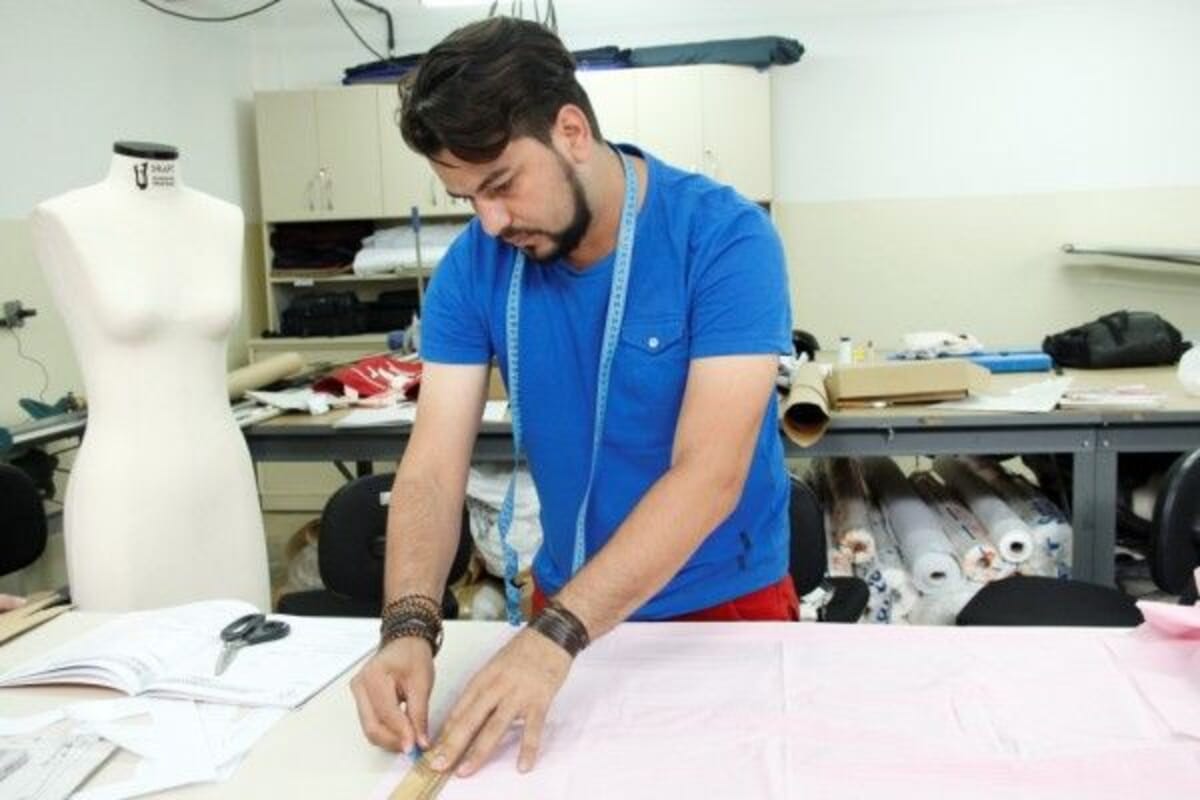
- Pattern development and grading: from your sketch or tech pack to a graded production pattern.
- Fabric and trim sourcing: the factory selects, negotiates and buys materials against your specification.
- Sampling: fit samples, pre-production samples and the revision rounds between them.
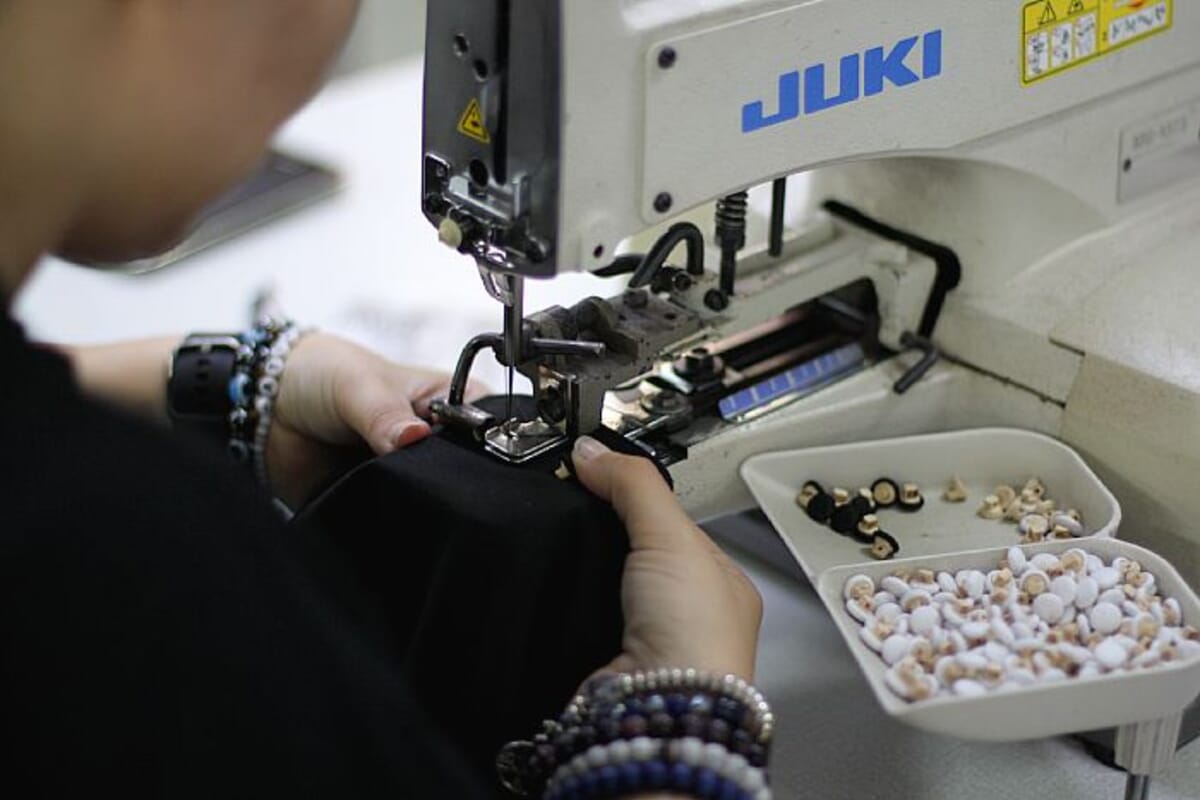
- Production: cutting, sewing and finishing.
- Quality control: in-line and final inspection against a defined standard.
- Packing and export documents: labelling, bagging, cartons and the paperwork to move goods across a border.
The distinguishing feature is not the list. It is accountability. When a fabric arrives lighter than the weight in the specification, a full-service manufacturer resolves it with the mill. A factory that only arranged the fabric passes you the mill's contact details.
Citation Capsule A full-service apparel manufacturer takes responsibility for pattern development and grading, fabric and trim sourcing, sampling, production, quality control, and packing with export documents. The defining characteristic is accountability rather than scope: a genuine full-service supplier resolves material failures itself, whereas a coordinating supplier refers the brand to the mill.
How Does Full-Service Differ From CMT and Private Label?
CMT, cut, make and trim, is the opposite end of the same spectrum: the factory sews and you do everything else. Private label sits elsewhere again: the factory sells you its existing product or block with your label on it.
| CMT | Private label | Full-service | |
|---|---|---|---|
| Pattern | You supply | Factory's existing block | Factory develops from your spec |
| Fabric | You buy and deliver | Factory's range | Factory sources and buys |
| Fabric risk | Yours | Factory's | Factory's |
| Sampling | You coordinate | Limited changes | Factory manages |
| Quote basis | Labour and basic trims | Unit price | Usually FOB, materials included |
| Your control over design | Full | Low | Full, delegated execution |
How the three models divide the work. Exact terms vary by factory, so confirm them in writing.
The quote difference confuses brands constantly. A CMT price and a full-service FOB price for the same garment are not comparable numbers, because the second one contains the fabric and the trims. Our guides to CMT vs full package production and private label vs custom manufacturing go deeper on each comparison.
CMT is cheaper per invoice and more expensive in management time. Full-service is the reverse. Which one costs less in total depends on whether you have a sourcing function, and on what your own time is worth.
Try it free: Compare CMT and FOB scenarios in the garment cost calculator. 60 seconds, no email required.
Why Do Full-Service Manufacturers Have Higher Minimums?
Because they buy materials for your order before you have paid in full. Under CMT you carry the fabric risk: if the fabric is wrong or the order is cancelled, that is your capital. Under full-service the factory commits to a mill and a trim supplier on your behalf, and mills have minimums of their own.
That exposure has to be justified by the order size, which is why full-service minimums tend to be higher than CMT minimums for the same garment. It also explains the deposit. A factory asking for a deposit on a full-service order is funding your material purchase, not testing your commitment.
In our group, production starts from 100 units per style. Whether a given style can be made at that quantity depends on the fabric: a stock fabric is easier than a fabric dyed or woven to order. Our guide to minimum order quantities in Portugal explains how factories set them.
What Is Inside a Full-Service Quote?
Full-service quotes are usually given FOB, Free on Board: under the Incoterms rule the seller bears the costs and risks until the goods are loaded on the vessel at the named port of shipment and handles export clearance, and the buyer pays the freight, insurance and costs from there (Incoterms). Strictly, FOB is meant for sea and inland waterway transport; for containers and air freight the rule designed for it is FCA, so check which term your quote uses.
Inside that price sit the fabric and trims, cutting and sewing, finishing, quality control, packing, and the factory's margin for the sourcing work it did. Fabric is often the largest single line on a simple garment. Its share falls as construction becomes more complex, because sewing time takes a bigger part of the price.
| Cost element | CMT | Full-service |
|---|---|---|
| Cutting and sewing | Included | Included |
| Thread and basic trims | Included | Included |
| Fabric | You buy | Included |
| Trims and hardware | You buy | Included |
| Quality control | You arrange | Included |
| Packing and export documents | You arrange | Included |
| Margin on sourcing | None | Included in the price |
What each quote typically contains. Ask the supplier to confirm each line.
Ask for the FOB price broken into fabric and non-fabric parts. A supplier confident in its sourcing will usually provide it, and the split lets you compare quotes on the same basis.
When Is Full-Service Worth Paying For?
Three situations where it clearly is, and one where it clearly is not.
- You have no sourcing function. If nobody on your team can evaluate a fabric quotation or chase a mill, the factory's sourcing is not a premium. It is the only version that works.
- You are producing a complex garment. Outerwear, tailoring and technical pieces have many components. Coordinating them yourself across several suppliers is a job in itself.
- You are producing abroad. Managing fabric purchases remotely, in another language and time zone, is where CMT savings disappear fastest.
- It is not worth it when you already have mill accounts and a sourcing person. Then you pay a margin for work you can do yourself, and you see less of the real fabric price.
The honest test: would you know if the factory bought the wrong fabric? If yes, CMT is open to you. If no, full-service is the thing that prevents an expensive mistake.
Need end-to-end production? Tell us the garment, the volume and whether you are sourcing your own fabric. Get in contact; our team replies within 24 hours.
How Do You Verify a Full-Service Claim?
Five questions. The answers separate ownership from coordination, and the second one does most of the work.
- Who buys the fabric, and in whose name? If the answer is that you buy it from the mill yourself, this is CMT with extra steps.
- What happens if fabric arrives out of specification? Listen for who absorbs the delay and the cost. In our experience this is the most revealing question you can ask.
- Which operations are done in-house? Dyeing, printing, embroidery and washing are often subcontracted, which is fine when it is disclosed.
- Who develops and owns the pattern? Agree ownership in writing before development starts, not when you want to move production.
- What is your inspection standard? A supplier that owns quality names an AQL level per defect class without hesitating.
Listen for specificity. A supplier that owns the process answers with numbers, names and procedures. One that coordinates tends to answer with reassurance. Our guide to red flags when choosing a clothing manufacturer lists more warning signs.
What Quality Control Should Full-Service Include?
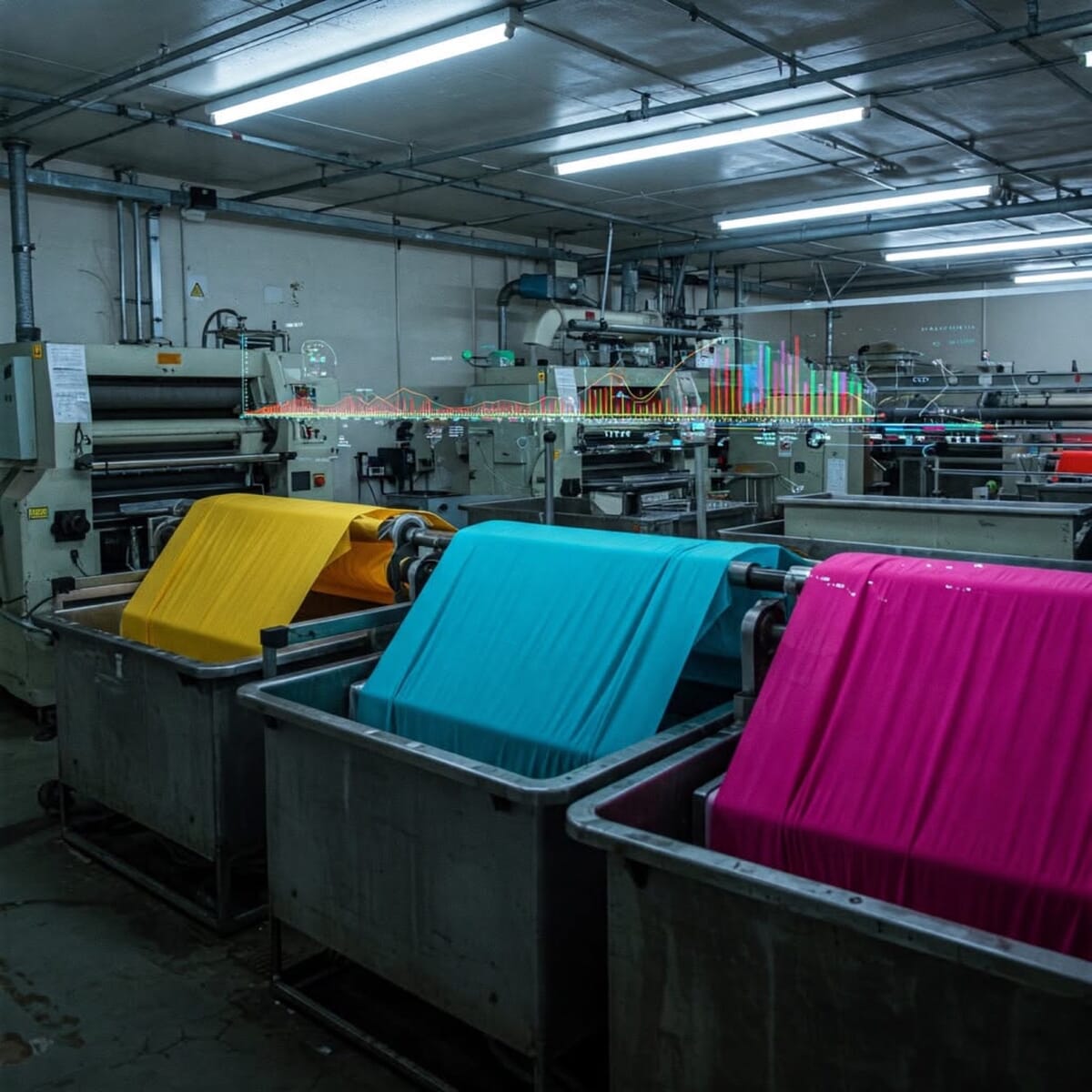
Three stages, and a genuine full-service supplier performs all of them rather than only the last.
- In-line inspection during production. It catches a repeated fault while there is still time to correct it. A wrong seam allowance found on the first pieces is a fix; the same fault found on the finished run is a rework negotiation.
- Final random inspection against an agreed AQL. Sample sizes and accept/reject points come from the ISO 2859 / ANSI/ASQ Z1.4 tables. Inspection company QIMA describes AQL 2.5 as the most common level for general consumer goods, 4.0 where minor cosmetic defects are acceptable, and 0 for critical defects (QIMA).
- Measurement checks per point of measure against the graded specification, with stated tolerances.
Ask for the inspection report in writing, with defect counts by class and the measurement table. Without measurement tolerances in the agreement, a fit dispute has no objective answer. Our guide to quality control in Portuguese production covers the checkpoints in detail.
Citation Capsule In a full-service arrangement, quality control should run at three stages: in-line inspection during production, a final random inspection against an AQL agreed per defect class, and measurement checks against the graded specification. QIMA describes AQL 2.5 as the most common level for general consumer goods, 4.0 where minor cosmetic defects are acceptable, and 0 for critical defects, with sample sizes from the ISO 2859 tables.
What Does Full-Service Not Cover?
Four things brands often assume are included and usually are not:
- Design. A factory makes what you specify. Some offer design support, many do not, and none will invent your product. A tech pack is the specification the factory quotes and samples from.
- Independent laboratory testing. Performance and compliance claims need third-party testing, billed separately.
- Freight after the port of shipment. Under FOB, sea freight, insurance, import duty and customs clearance at destination are yours.
- Marketing assets. Product photography, copy and size guides.
One line worth agreeing before you sign: who pays for a failed sample round. If a sample comes back wrong because the factory misread the specification, the factory should absorb it. If it comes back wrong because the specification was unclear, you should. Our guide to ordering a clothing sample explains the rounds.
When Should You Move From Full-Service to CMT?
Three conditions, and you need all three rather than any one:
- You have a sourcing function: someone who can read a mill quotation, negotiate a price and chase a late delivery. Without this, CMT does not save money, it moves work you cannot do.
- You have mill accounts: buying fabric directly means knowing which mills to buy from and having terms with them.
- Your volume justifies the overhead: the fabric margin you save has to be bigger than the cost of the person managing it.
There is a step in between: nominated supply. You choose the mill and agree the price; the factory places the fabric order and carries it through production. It costs a little more than buying from the mill yourself and removes most of the work. For many brands the sensible path is full-service first, then nominated supply, then CMT if volume ever justifies it. Our fabric sourcing guide covers how Portuguese mills work.
Conclusion: Choosing Between Models
Full-service is not a premium version of CMT. It is a different split of work and risk, and the right choice depends on what your own team can absorb. If you have no sourcing capability, full-service is not optional and the quote reflects real work. If you have established mill accounts, CMT often costs less in total.
The expensive mistake is buying full-service from a supplier that only coordinates, because you pay for accountability and receive a contact number. Ask the fabric question. The answer tells you which one you are dealing with.
Producing in Portugal? Our team places and manages your production with a factory in our group that fits the product, from 100 units per style, and handles quality control across the run. See how we work.
Frequently Asked Questions
What is a full-service apparel manufacturer?
A manufacturer that takes responsibility for pattern development and grading, fabric and trim sourcing, sampling, production, quality control, and packing with export documents. The defining feature is accountability: it resolves material problems itself rather than sending the brand back to the mill.
What is the difference between full-service and CMT?
Under CMT (cut, make, trim) the factory sews and you supply the fabric and usually the pattern, so the material risk is yours. Under full-service the factory sources and buys the materials and carries that risk. CMT quotes cover labour and basic trims; full-service quotes are usually FOB and include the fabric, so the two numbers are not comparable.
Why do full-service manufacturers have higher minimums than CMT?
Because the factory buys fabric and trims on your behalf before production, and mills have their own minimums. That exposure has to be justified by the order size, and it is also why a deposit is normally asked for before materials are bought.
Is full-service manufacturing more expensive?
Per invoice, yes, because the quote includes fabric. In total cost it depends on whether you have someone who can source, negotiate and chase fabric. If you do not, the time and the material mistakes under CMT can cost more than the difference.
How do I check that a full-service claim is genuine?
Ask what happens if fabric arrives out of specification. A genuine full-service supplier resolves it and absorbs the delay it caused; a supplier that only arranged the fabric sends you back to the mill. Also confirm who buys the fabric and in whose name, which operations are subcontracted, who owns the pattern, and which AQL the final inspection uses.
What AQL should a full-service supplier use?
Agree it in writing per defect class. Inspection companies such as QIMA describe AQL 2.5 as the most common level for general consumer goods, 4.0 where minor cosmetic defects are acceptable, and 0 for critical defects. Sample sizes come from the ISO 2859 / ANSI/ASQ Z1.4 tables.
What does full-service usually not cover?
Design, independent laboratory testing, freight and insurance after the goods are loaded at the port of shipment under FOB, import duty and customs clearance at destination, and marketing assets. Agree in advance who pays for a sample round that fails.
When should a brand move from full-service to CMT?
When three things are true at once: someone on your team can source and manage fabric, you have accounts with mills, and your volume makes the fabric saving bigger than the cost of managing it. Nominated supply, where you choose the mill and the factory buys, is a sensible step in between.
We're a group of 80 documented Portuguese clothing factories, 25 verified, based in Porto and Guimarães. Tell us your product, volume, and timeline. We'll place and manage your production with the right factory in the group, usually replying within 24 hours. Flat fees, no commissions, no upsell.
Get in contact Download the directory (€49)Need a tech pack? Get a factory-ready single-style tech pack for €79. See what's included.
Sources used in this article
- QIMA, AQL (Acceptable Quality Limit): common AQL levels by defect class and the ISO 2859 / ANSI/ASQ Z1.4 sampling tables.
- Incoterms (Wikipedia): FOB, Free on Board, and the split of costs and risks between seller and buyer.
Portugal Clothing Factory is a group of documented Portuguese clothing factories in the northern textile cluster (Porto, Guimarães, Braga, Barcelos, Famalicão). We charge flat fees, reply within 24 hours, and place and manage production with the factory in our group built for your product. See how we work or get in contact.