.jpeg)
Starting a clothing brand in Portugal is more accessible than most founders imagine. The country has 12,200 active textile companies and exports that exceeded EUR 5.5 billion in 2025 (ATP, 2025). Decades of specialised craftsmanship, EU-compliant manufacturing, low MOQs at small factories and a dense supplier network within a 100-kilometre radius place Portugal among the top sourcing destinations for emerging brands. With the right approach, you can reach the market with a validated micro-brand, manufactured in Portugal, on a budget starting from EUR 5,000.
In our sourcing pipeline since 2021, we've watched roughly 200 founders take their first steps from concept to first sale. The ones who succeeded shared a small handful of habits: validating before producing, investing in tech packs before pretty branding, picking the right factory cluster for their product type, and matching ambition to capital instead of stretching capital to match ambition. The ones who struggled almost always tripped over the same things: ordering 500+ pieces of an unvalidated style, skipping the tech pack to "save money," picking a factory based on the cheapest quote, or running out of cash before the first marketing campaign launched.
This guide walks through the essential steps from concept to first sale: niche definition, validation, tech packs, factory selection, MOQs, sampling, legal setup, pricing, sustainability compliance, and a realistic year 1 financial model. Whether you're considering a sustainable basics line or a technical apparel brand, the process is the same.
Heads up: We're Portugal Clothing Factory, a group of 80 documented Portuguese clothing factories in Porto and Guimarães. Since 2021, we've placed dozens of brands with these factories, so the practical observations in this article are based on first-hand sourcing experience.
Key Takeaways
- Portugal has 12,200 textile companies and EUR 5.5 billion in exports, ideal for startup brands (ATP, 2025)
- The MVP model (1 to 2 validated styles) drastically reduces the risk of over-investment
- Typical MOQ at small Portuguese factories is 50 to 300 pieces per reference
- Realistic budget for a micro-brand sits between EUR 5,000 and EUR 15,000
- Sustainability and EU compliance (ESPR, DPP) are mandatory market requirements rolling in 2026-2027
- Total time from concept to first sale: 6 to 12 months typically
Try it free: Pressure-test your production cost with our garment cost calculator. 60 seconds, no email required.
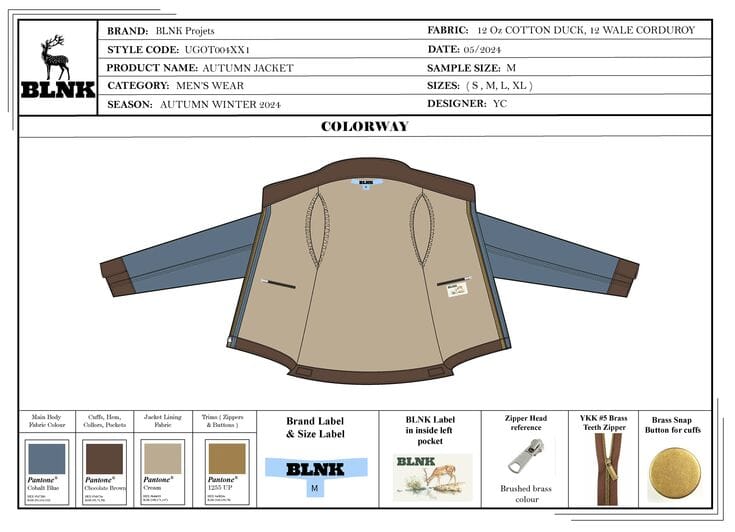
Founder Archetypes: Which One Are You?
Before the tactical steps, a quick reality check on resources and constraints. In our experience, most aspiring founders fall into one of four archetypes, and each has a different optimal path. Pick the one closest to you and adjust the rest of this guide accordingly.
| Archetype | Typical Budget | Time Available | Best Path |
|---|---|---|---|
| The side hustler | €5,000-€10,000 | 5-10 hrs/week | 1-2 styles, full-package, slow validation, DTC only |
| The full-time founder | €15,000-€40,000 | 30+ hrs/week | 3-4 styles, capsule collection, hybrid CMT/full-package, DTC + 1 wholesale partner |
| The career-switcher with savings | €20,000-€60,000 | 25-40 hrs/week | 4-6 styles, professional capsule, full-package, multi-channel |
| The investor-backed founder | €80,000+ | 40+ hrs/week | Full collection, brand-build first, capable of scaling Year 1 |
Source: see in-text citations in this section.
The side hustler is the most common starting point and the most underrated. We've watched several of these grow into proper brands by year 3 specifically because the cash discipline of starting small forced honest validation. The investor-backed founder has the highest variance: high upside if year 1 hits, but also the highest failure rate if the brand burns through capital before product-market fit. There's no "right" archetype; there's just the archetype you actually are versus the one you wish you were. Be honest before you spend.
How Do You Define Your Brand Concept and Niche?
Brands without a clear niche compete against fast fashion on price, and that's a game you can't win. According to McKinsey (Fashion on Climate, 2024), fashion brands with specific niche positioning see customer retention rates up to 40% higher than generic brands. A niche doesn't limit growth: it defines who to grow for. The most important question isn't "what do I want to make?" but "for whom and why?"
A workwear brand for women in technical sectors, or an organic knit basics line for urban men, solves a concrete problem for a concrete person. That focus is what allows precise communication and builds a loyal community. Generic "premium minimalist clothing" without a sharper customer definition is exactly where 80% of failed brands begin.
Define the Customer Before the Product
Many founders start with the product. "I want to make premium hoodies." But for whom? A hoodie for a surfer in the Algarve is different from a hoodie for an executive in Lisbon. The product comes after the customer, never before. Answer these three questions before moving forward:
- Who is your customer? Age, lifestyle, values, spending power, where they hang out online and offline.
- What problem or desire does your product solve? Functional, emotional, identity, status, comfort, performance, sustainability, all of these are valid but you have to pick.
- What is the retail price point? Entry, mid-range, premium, or luxury. Be honest about which one your customer can afford and is willing to spend on.
Price positioning determines everything that follows. The type of factory, materials, distribution channel, and communication strategy change radically. A premium brand at EUR 150 per piece and a EUR 35 brand have completely different operations. Trying to occupy "premium-but-affordable" in the middle is the most crowded and least defensible position in fashion.
Positioning Categories for New Brands
| Positioning | Average retail price | Suitable factory | Target market |
|---|---|---|---|
| Entry / basics | EUR 15 to EUR 35 | High capacity, CMT | Domestic, mass markets |
| Mid / lifestyle | EUR 40 to EUR 80 | Specialised SME | Domestic + EU export |
| Premium / quality | EUR 80 to EUR 200 | Artisan, small factory | EU, UK, USA |
| Luxury / niche | EUR 200+ | Factory, limited production | International, lifestyle |
Source: see in-text citations in this section.
In our experience, the highest-survival positioning for a first brand sits in the Mid/lifestyle and Premium/quality bands. Below EUR 35 retail, margins are too thin to support marketing spend. Above EUR 200, the brand-building investment required is usually too high for a self-funded founder.
Citation Capsule: Fashion brands with clear niche positioning see customer retention rates up to 40% higher than generic brands. The niche defines who to grow for and with what message (McKinsey, Fashion on Climate, 2024).
How Do You Validate the Idea Before Investing in Production?
The number one reason fashion brands fail in their first two years is overproduction without validation. Industry analysis consistently identifies the absence of market validation as a leading factor in fashion startup failures. No factory, however good, can save a product the market doesn't want.
Validation doesn't require production. It requires audience and purchase intent. Before ordering a single piece, test whether there's real demand. The good news: in 2026, validation tools are essentially free.
Test the Concept Without Producing a Single Piece
Pre-sales and waitlists. Create a simple page with product photos (renders, prototypes, or even mood-board mock-ups) and a reservation button. Tools like Carrd, Shopify or Tally let you set up a pre-sale in less than a day. If you can't gather 50 to 100 purchase intents from your existing network and 1-2 paid ads, the product needs rethinking. We've watched founders pre-sell 300+ units before placing their first factory order, which transforms the cash flow question.
Social media audience building. Start posting content about the brand concept at least three months before launch. Instagram and TikTok are free validation laboratories. Don't count likes: count comments, shares, saves, and "where can I buy?" questions. If someone asks that, you have real validation. If you have 5,000 followers but no comments asking how to buy, the validation isn't there yet.
MVP approach (Minimum Viable Product). Launch with one or two styles, not a full collection. The goal of the first production run is to learn, not to generate revenue. With 100 well-sold pieces, you have proof of concept for the second order. Founders who launch with 12-piece collections spend 3 to 4 times more than those who test with 1 to 2 styles. And they have far less certainty about which pieces actually sell. The market chooses for you, if you give it the chance.
Print-on-demand or sample-only sales. For pure positioning validation, you can sell from a single sample (with a 4-6 week production timeline disclosed) before committing to a bulk order. Some brands use Shopify's "deposit only" or "pre-order" features to literally sell from intent. This is the lowest-risk path for a side hustler.
In our experience, brands that run pre-sales before ordering production reduce the risk of dead stock by over 60%. The validation step is not optional. It's the highest-ROI hour of work you'll do in year 1.
How Do You Create the Technical Documents (Tech Pack)?
No serious factory will quote a garment without technical documentation. According to CITEVE (2024), over 60% of quality issues in first orders originate from insufficient technical specifications. The tech pack is the product's blueprint: the document that eliminates ambiguity between what you imagine and what comes off the production line.
What Should a Complete Tech Pack Include
- Flat sketch (technical line drawing, front and back, all key construction details)
- Size chart per size with grading rules (XS-XL or 32-44, depending on category)
- Materials sheet: fabric composition, weight in g/m2, finish, suggested supplier or fabric ID
- Construction specifications: stitches per centimetre, seam types, hem widths, finishes
- Labelling: composition (mandatory under EU Reg 1007/2011), care instructions, origin, brand label placement
- Trims and accessories: buttons, zippers, drawcords, brand woven labels with size and placement
- Colour references: Pantone codes (TPX or TCX system) or physical fabric swatches
- Packaging instructions: polybag, hangtag, retail-ready specifications
Options for Creating the Tech Pack
| Option | Estimated cost | Quality | Suitable for |
|---|---|---|---|
| Freelance technical designer | EUR 200 to EUR 600/style | High | Serious brands |
| DIY template (Canva, Excel) | EUR 0 to EUR 50 | Medium | Initial tests |
| Specialised software (Techpacker, Backbone) | EUR 30 to EUR 80/month | Medium-high | Multiple references |
| Technical design studio | EUR 500 to EUR 1,500/collection | High | Full collections |
| PCF tech pack service | €79/style | High | Founders without industry contacts (factory-ready, 2-3 revisions) |
Source: see in-text citations in this section.
Don't underestimate this investment. A solid technical document saves unnecessary samples (a saved sample round is EUR 200-400), reduces rework costs, and allows you to compare quotes from different factories based on the same specifications. Quotes that come back wildly different on the same tech pack tell you who actually understood the brief.
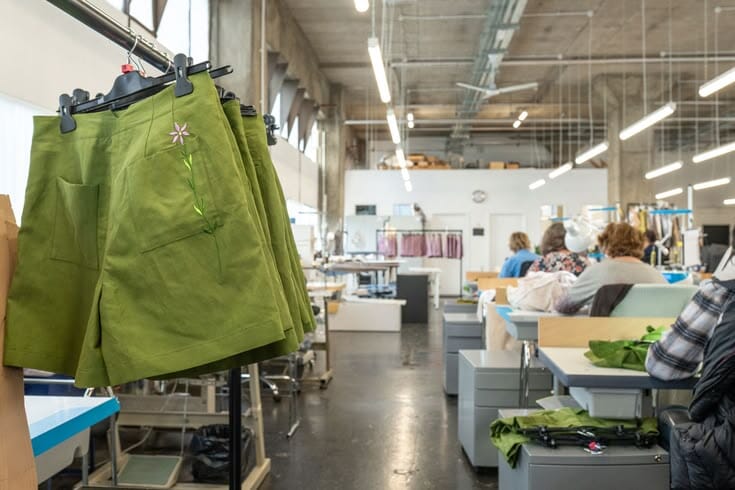
Citation Capsule: Over 60% of quality issues in first orders originate from insufficient technical specifications (CITEVE, 2024). A complete tech pack, with flat sketch, size chart, and materials sheet, is the minimum requirement before contacting any factory.
Related: clothing production costs in Portugal
Need a tech pack? Get a factory-ready single-style tech pack for €79. See what's included.
How Do You Find the Right Factory in Portugal?
Portugal has over 12,000 active textile and clothing companies, but finding the right partner requires method (ATP, 2025). The difference between a good and a bad factory can mean months of delay, off-spec products, and lost capital. Structured research isn't optional. It's the foundation of the project.
Where to Look for Factories
- ATP and ANIVEC: the sector associations maintain directories of members with contact details and specialisation
- Trade fairs: Modtissimo (Porto, twice yearly), Texfair, and Expocouro are direct meeting points
- B2B platforms: portugalclothingfactory.com routes brands to documented factories by product type and certification
- Regional clusters: Ave Valley (knitwear and jersey), Barcelos (outerwear), Covilhã (wool and tailoring fabrics)
- LinkedIn: surprisingly effective for direct outreach to factory ownership at mid-size operations
Nothing replaces a factory visit. See the machines, talk to the people on the factory floor, assess the organisation. Platforms like Sewport and Maker's Row also list Portuguese factories, but always verify information directly. We've seen brands waste months on platform listings that turned out to be unresponsive intermediaries rather than actual factories.
Choosing the Right Region for Your Product
Portugal isn't a single sourcing geography. Match product to cluster:
- Ave Valley (Famalicão, Guimarães): knit and jersey garments, T-shirts, sweatshirts, hoodies, dresses in stretch knit. Highest density of knit fabric mills.
- Barcelos / Braga: woven shirts, outerwear, structured construction, home textiles.
- Covilhã: wool, flannel, tweed, tailoring fabrics. Smaller cluster but unique capabilities.
- Porto urban: premium tailoring, design-led smaller factories, luxury and indie designer pieces.
- Vale do Sousa (Lousada, Paços de Ferreira): garment manufacturing for basics, often serving Inditex-scale buyers.
Routing knitwear to a tailoring specialist (or vice versa) is one of the most common rookie mistakes we see, and it costs 20-30% of the speed and quality advantage that Portugal offers in the first place.
CMT vs Full Package Production
In the CMT (Cut, Make, Trim) model, the brand supplies the fabrics and the factory only cuts, sews and finishes. CMT cost in Portugal ranges from EUR 2 to EUR 50 per piece, depending on complexity (ANIVEC, 2024). In the Full Package model, the factory also handles materials sourcing. For startup brands without a supplier network, Full Package reduces complexity. CMT gives you more control over materials and typically lowers per-piece cost by 15-25%, but only if you actually have access to good fabric suppliers.
Have you considered which model best fits your budget and experience?
Red Flags in Factory Selection
- Factory who quotes without asking for a tech pack
- Refuses factory visits or video walk-throughs
- Certifications that can't be verified online (OEKO-TEX, GOTS numbers should be public)
- Prices significantly below market (more than 25% below other quotes is a warning sign)
- Slow or evasive communication before closing an order
- Asks for 100% upfront payment (standard is 30-50% deposit)
- No physical address you can visit, only WhatsApp/Gmail communication
The First Contact: What to Say (and What Not to Say)
Don't send a generic email saying "I have an idea for a brand." Be specific. State the product type, the intended quantity, materials, and timeline. Serious factories respond to serious enquiries. We've found that Portuguese factories respond 3x more often to emails with tech packs attached than to vague requests. Preparation is your calling card. The best factories for new brands are often mid-sized, with 20 to 80 employees: large enough for quality consistency, but small enough to give attention to smaller orders.
A first email that works:
Subject: Production enquiry, [brand name], 3 styles, 250 pieces total, [target month]
Hi [Name],
I'm building [brand name], a [category] brand based in [country]. We're launching with 3 styles in 2 colours each, projected order around 80-90 pieces per style. Tech packs attached.
Key questions: 1. Is this volume workable, or do you have a higher minimum? 2. Do you hold any stock fabrics matching our specs? 3. What's your earliest sampling slot if we move forward in [month]?
Happy to visit in [date range].
This pattern gets reply rates 3-5x higher than vague enquiries. Real factories take prepared brands seriously.
Citation Capsule: CMT cost in Portugal ranges from EUR 2 to EUR 50 per piece, according to ANIVEC (2024). Full package production costs more but includes fabric sourcing, patterns, and finishing, making it the most practical option for founders without production management experience.
Find your factory: Browse the free factory directory preview, or unlock the premium directory for €39 to see 80 documented Portuguese factories with direct contacts and MOQs.
How Much Do Budgets, Samples and Approval Cost?
The average cost of a development sample in Portugal is between EUR 100 and EUR 400 per piece, depending on complexity (ANIVEC, 2024). This cost is rarely refunded, even if the order goes ahead. The sampling process is where most first-time founders get surprised.
The Three Sampling Phases
1. Proto Sample (Initial prototype). The first interpretation of the tech pack in fabric. The goal is to evaluate fit, proportions, and overall construction. It doesn't need to be in the final fabric. Cost: EUR 80 to EUR 250.
2. Fit Sample. Produced in the correct or very similar fabric. Used for fit tests on mannequin or real models. Cost: EUR 100 to EUR 350.
3. Pre-Production Sample (PPS). The final approval sample, produced with the exact materials and processes of the production run. It's the last gate before the factory starts. Cost: EUR 120 to EUR 400.
In our experience, most founders underestimate sample and iteration costs. Count on 2 to 3 rounds of samples before approving final production. That investment in adjustments prevents far more expensive problems in the production run. A founder who skips the PPS to save EUR 250 ends up with a 100-piece bulk order with a 3mm fit issue across all sizes. The bulk discount disappears in rework cost.
How to Request Quotes Correctly
- Send the same tech pack to at least three factories
- Ask for separate quotes for CMT and Full Package
- Specify volumes at launch and projected for the next 12 months
- Ask about sample and production lead times
- Clarify payment terms: standard is 30% to 50% deposit, balance on shipment or against shipping documents
- Request itemised pricing (CMT, fabric, trims, finishing, packaging) rather than a single lump-sum number
Quotes that come back as a single number with no breakdown are typically the riskiest. Real factories explain their pricing.
Citation Capsule: The average cost of a development sample in Portugal is between EUR 100 and EUR 400 per piece (ANIVEC, 2024). The complete sampling process, from proto to PPS, can represent EUR 300 to EUR 1,200 per reference before any production run begins.
What Is the Typical MOQ and How Long Does Production Take?
For small and medium-sized Portuguese factories, the typical MOQ sits between 50 and 300 pieces per reference and colourway (ATP, 2025). Larger factories may require 300 to 1,000 pieces. Coming in well below the minimum is one of the most common reasons for factory rejection. The total lead time from first contact to delivery of finished pieces averages 3 to 6 months. This includes negotiation, tech pack, samples, approval, and production run. Planning a launch without this window is one of the most frequent causes of delays.
Typical Timeline for a First Production
| Phase | Estimated duration | Notes |
|---|---|---|
| Factory search and selection | 2 to 4 weeks | Research, visits, quotes |
| Negotiation and contract | 1 to 2 weeks | MOQ and terms |
| Proto sample | 2 to 4 weeks | First prototype |
| Fit sample and approvals | 2 to 3 weeks | Revisions and approval |
| Pre-production sample | 1 to 2 weeks | Final approval |
| Production run | 4 to 8 weeks | Dependent on volume |
| Quality control and shipping | 1 to 2 weeks | Final inspection |
| Total estimated | 13 to 25 weeks | 3 to 6 months |
Source: see in-text citations in this section.
Plan around the August slowdown. Most Portuguese factories close 2-4 weeks during August (typically weeks 32-35) for the traditional summer break. Orders received in late July often get pushed to September. Factor this into autumn launches.
What to Do If Your Volume Is Below the MOQ
- Negotiate a slightly higher CMT price in exchange for a lower MOQ (typical: 25-40% premium)
- Look for smaller factories or factories specialising in small runs
- Combine orders across different colourways to reach the minimum (consolidate fabric MOQ)
- Bet on a hero style at higher quantity instead of splitting volume across many styles
- Offer a frame agreement (3 orders/year) for predictability in exchange for lower per-order MOQ
Don't fall into the trap of ordering more than you can sell. Overproduction without validation is one of the leading causes of first-year brand failure. Start small. Test. Adjust. Only then scale.
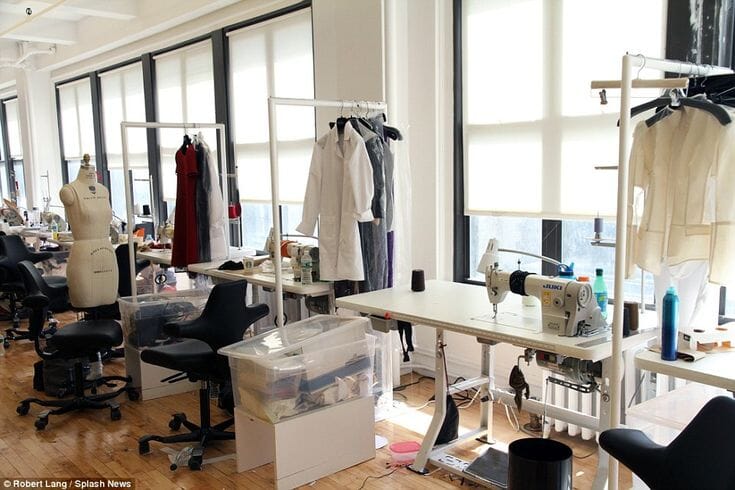
The 12-Month Launch Roadmap
Here's the calendar we typically share with founders as a planning anchor. Adjust to your own timeline, but don't compress without understanding what you're skipping.
Months 1-2: Concept and Validation
- Define niche, customer and price point
- Build social media presence (consistent posting, 3-4x/week)
- Set up validation pages (waitlist, pre-sale)
- Conduct 10-15 customer interviews
- Build mood board and initial design direction
- Budget allocation: ~€200-500 (domain, basic tools)
Month 3: Tech Pack and Factory Sourcing
- Hire technical designer or build tech pack
- Research and shortlist 8-12 factories
- Send first enquiry emails
- Schedule factory visits or video calls
- Budget: ~€500-1,500 (tech pack)
Month 4: Sampling Round 1
- Confirm factory selection (after 3 quotes minimum)
- Order proto samples
- Iterate on fit, proportions, fabric choices
- Budget: ~€400-1,200 (samples + courier)
Month 5: Sampling Round 2 and Brand Build
- Fit samples produced and reviewed
- Begin building brand identity, logo, packaging
- Trademark registration filed
- Domain, email, basic website set up
- Budget: ~€800-2,000 (sampling + branding)
Month 6: PPS Approval and Production Order
- Pre-production sample approved
- Bulk order placed with 30-50% deposit
- Marketing pre-launch begins (audience warming)
- Pre-orders open to existing audience
- Budget: ~€1,500-3,500 (production deposit + marketing)
Month 7-8: Production and Pre-Launch Marketing
- Bulk production runs at factory
- Photo shoot scheduled (with samples or first finished pieces)
- E-commerce site finalised
- Email list growing (target: 500-2,000 subscribers)
- Budget: ~€800-2,500 (photography + marketing)
Month 9: Launch
- Bulk delivered, QC completed, pieces in fulfilment
- Public launch with email blast, paid ads, PR outreach
- Pre-orders fulfilled
- Customer feedback loop opens
- Budget: ~€500-1,500 (launch marketing)
Months 10-12: Sell-Through and Iteration
- Drive traffic, optimise conversion, monitor sell-through
- Plan reorder of winners (4-5 week turnaround in Portugal)
- Drop losers or rework
- Begin planning collection 2 (concept, validation cycle restarts)
- Budget: ~€1,000-3,000/month (marketing + ops)
The full year typical cost: €15,000-€35,000 for a moderately ambitious launch. The lean side hustler version with ruthless discipline can run €5,000-€10,000 total.
Checklist: What Should You Have Ready Before the First Meeting with a Factory?
Factories assess new brands in the first 5 minutes of conversation. According to ATP (2025), Portuguese factories prioritise clients who demonstrate technical knowledge and planning. Showing up prepared is the difference between being taken seriously and being ignored.
Essential Documents and Materials
Before scheduling the meeting, make sure you have:
- Complete tech pack per style (technical drawings, measurements, seams, finishes)
- Reference samples or similar garments to what you intend to make
- Fabric data sheets with composition, weight, and supplier (if CMT)
- Estimated quantities per style and size
- Defined budget for the first production
- Realistic timeline with target delivery dates
- Registered trademark or registration in process at the relevant IP office
- One-page brand brief explaining who you are, target customer, positioning
Questions to Ask the Factory
Don't just go to listen. Ask concrete questions:
- What is your MOQ for new clients?
- How long does a proto sample take?
- Do you work in CMT or full package?
- Can you show examples of previous work in my category?
- What is the average production lead time for my quantity?
- Do you currently hold OEKO-TEX or GOTS certification? (Verify the number after.)
- What part of production happens in-house vs at specialist subcontractors?
- What's your standard payment structure?
- Have you produced for brands in my country / market before?
A good meeting is a two-way conversation. The factory is also evaluating you.
Citation Capsule: Portuguese factories prioritise clients with complete tech packs, defined quantities, and realistic timelines, according to ATP (2025). Preparing these documents before the first meeting significantly increases the likelihood of securing competitive terms.
How Do You Register the Company and Protect the Brand?
In Portugal, a limited company (sociedade por quotas) can be incorporated on the same day through the "Empresa na Hora" service, at a base cost of EUR 360 (IAPMEI, 2025). You don't need a company to start developing the product, but you do need one before the first sale. The process is among the fastest in Europe.
Essential Legal Steps
Company incorporation:
- Register through "Empresa na Hora" (in person, at Citizen Shops or Registries)
- Alternatively: online incorporation at eportugal.gov.pt
- Recommended economic activity codes: 47710 (Retail sale of clothing) or 14190 (Manufacture of wearing apparel), or 46420 (Wholesale of clothing) if you plan B2B
- Capital requirement: EUR 1 minimum legally, but EUR 5,000-10,000 in working capital is more practical
Trademark registration at INPI: Registration at the Portuguese National Industrial Property Institute protects the name, logo, and distinctive elements. It costs between EUR 150 and EUR 300 for a national trademark and can be done online at inpi.pt. The process takes 3 to 6 months. For brands with European ambitions, registration via EUIPO protects across all 27 member states with a single application, starting from EUR 850.
VAT registration: Registration is automatic upon company incorporation. If you sell to other EU countries above EUR 10,000 annually, you may have additional obligations under the OSS (One Stop Shop) scheme.
Beyond Registration: The Other Legal Essentials
Founders frequently complete the company registration but skip the operational legal infrastructure. The following are the actual essentials before a single sale:
- Terms and conditions for your e-commerce store (mandatory under EU consumer protection law)
- Privacy policy and cookie banner (GDPR-compliant, mandatory)
- Returns policy (under EU law, customers have 14 days to return without justification, you must offer this)
- Payment processor account: Stripe, Mollie or SumUp account (Stripe is the most common, with 1.4% + €0.25 per EU card transaction)
- Accounting setup: a Portuguese certified accountant (TOC) costs €80-200/month for a small business
- Insurance: civil liability insurance for product, particularly important if shipping outside EU
- Bank account: a separate business bank account (Activobank, Caixa Empresas, or N26 Business)
Important note: this guide does not replace legal advice. For specific questions, consult a lawyer or certified accountant.
Citation Capsule: In Portugal, a limited company can be incorporated on the same day through the "Empresa na Hora" service, at a base cost of EUR 360 (IAPMEI, 2025). Trademark registration at INPI costs between EUR 150 and EUR 300 and takes 3 to 6 months.
The Tools and Software Stack for a Modern Brand
Here's the practical software stack we typically see at successful founder brands. Everything below totals roughly €100-€250/month at launch, scaling with revenue.
| Function | Recommended tool | Monthly cost (est.) |
|---|---|---|
| E-commerce platform | Shopify Basic | €29 |
| Email marketing | Klaviyo (free up to 250 contacts) | €0-45 |
| SMS marketing | Postscript or Klaviyo SMS | Variable |
| Product photography | iPhone + Lightroom (early) → studio (€500/shoot) | Variable |
| Tech pack / PLM | Techpacker or Backbone | €30-80 |
| Customer support | Gorgias or Crisp | €25-60 |
| Analytics | Shopify + GA4 (free) | €0 |
| Accounting | Moloni or Primavera (PT-specific) | €20-50 |
| Social scheduling | Later or Buffer | €15-30 |
| Returns management | Loop Returns or Shopify native | €0-50 |
Source: see in-text citations in this section.
This stack matters because the first 100 customers will judge your brand by checkout speed, email confirmation quality and post-purchase experience as much as by the product itself. Underinvesting here is a common mistake.
What Is the Best Sales Strategy for a New Brand?
The DTC (direct-to-consumer) channel via e-commerce grew 23% in the niche apparel segment in Europe over the last two years (Euromonitor International, 2025). For startup brands, it's the natural starting point. The question isn't "which channel to choose?" but "which channel can I run well with the resources I have right now?"
Main Sales Channels Compared
| Channel | Setup cost | Margin | Effort | Best for |
|---|---|---|---|---|
| DTC e-commerce (Shopify) | €500-2,000 | 70-80% | High | Year 1 priority |
| Wholesale (multi-brand stores) | €1,000-3,000 | 40-55% | Medium | Year 2+ scaling |
| Pop-ups and markets | €100-500/event | 75-85% | Low | Validation |
| Social commerce (Instagram/TikTok Shop) | €0-200 | 75-85% | High | Audience-led brands |
| Marketplaces (Zalando, ASOS) | €1,000-5,000 | 35-50% | Medium | Volume after PMF |
Source: see in-text citations in this section.
DTC via e-commerce is the natural starting point. Shopify is the most widely used platform, with plans from EUR 29/month. The DTC advantage is margin and customer data: you sell at retail price without intermediaries and you own the customer relationship.
Wholesale typically becomes interesting in year 2 once you have proven sell-through. Multi-brand stores expect 50-60% off RRP. Requires a seasonal catalogue, restocking capability, and 30-90 day payment terms which strain working capital.
Pop-ups and markets are excellent for validation, direct feedback and building local community. Participation cost is low. The return in market knowledge is high.
Social commerce allows direct selling within Instagram or TikTok. Suitable for brands with strong audience before having their own store, but the platforms take 5-15% fees and you don't own the customer data.
Marketing Budget Allocation in Year 1
A typical year 1 marketing budget for a Portuguese-made DTC brand looks like this for a brand with €40k-€80k in year-1 revenue:
| Channel | % of marketing budget | Typical Year 1 spend |
|---|---|---|
| Paid social (Meta, TikTok) | 40-55% | €4,000-€10,000 |
| Email/SMS retention | 5-10% | €500-€1,500 |
| Content + photography | 15-25% | €1,500-€4,000 |
| PR / influencer / gifting | 10-20% | €1,000-€3,500 |
| Pop-ups / events | 5-15% | €500-€2,500 |
| SEO content | 0-10% | €0-€2,000 |
Source: see in-text citations in this section.
A common mistake we see: 80% of year-1 marketing budget goes to Meta ads with no investment in email/SMS retention, content or photography. The result: high acquisition cost, low repeat rate, and a brand that looks identical to every other Meta ad. Diversifying matters from week one.
How Do You Set Prices and Margins Sustainably?
Insufficient margins are a leading cause of closure for independent fashion brands in their first year. The root of the problem is almost always the same: pricing set by desire, not by the actual cost of production and operations.
Base Pricing Formula
Total product cost = materials + CMT + trims + labels + packaging + logistics + sample amortisation + duty
Minimum DTC RRP = total cost x 3 to 4
Minimum wholesale RRP = total cost x 5 to 6 (to allow the retailer a 40% to 60% margin)
Practical Example: Basic Sweatshirt
| Item | Estimated cost |
|---|---|
| Fabric (0.8m at EUR 8/m) | EUR 6.40 |
| CMT (cut, sew, trim) | EUR 5.00 |
| Trims (buttons, zipper, label) | EUR 1.50 |
| Packaging | EUR 0.80 |
| Logistics (average shipping) | EUR 2.50 |
| Total cost | EUR 16.20 |
| Minimum DTC RRP (x3.5) | EUR 56.70 |
| Wholesale price to retailer (x1.5 cost) | EUR 24.30 |
| Retailer RRP (x2.5 on wholesale price) | EUR 60.75 |
Source: see in-text citations in this section.
The minimum 3x markup for DTC isn't arbitrary. It covers online store operating costs, shipping logistics, returns (which in fashion e-commerce represent 20% to 40% of orders), payment processing fees (1.4-2.9%), marketing acquisition cost (typically €10-25 per customer in fashion DTC), VAT (23% in Portugal), and profit margin. Below this multiple, the operation isn't sustainable long term.
Citation Capsule: Insufficient margins are a leading cause of closure for independent fashion brands in their first year. The root of the problem is almost always pricing set by desire, not by the actual cost of production.
Year 1 Financial Model: A Realistic Picture
Here's what year 1 typically looks like for a Portuguese-made DTC brand launched at the "full-time founder" archetype level (€20-40k initial budget):
| Line item | Amount |
|---|---|
| Year 1 Revenue (gross) | €60,000 |
| Cost of goods sold (35% of revenue) | -€21,000 |
| Gross profit | €39,000 |
| Marketing | -€15,000 |
| Photography + content | -€3,000 |
| Software stack (€2k/year) | -€2,000 |
| Accounting + legal | -€2,500 |
| Payment processing (2.5% of revenue) | -€1,500 |
| Shipping (paid by customer mostly) | -€500 |
| Returns processing (8% of revenue) | -€4,800 |
| Operating profit (pre-tax) | €9,700 |
Source: see in-text citations in this section.
A few notes: this assumes founder takes minimal salary in year 1 (tight cash discipline), targets 70%+ gross margin on DTC, runs returns at industry-standard 20-25%, and reinvests profit into the year 2 collection. Most successful Portuguese-made indie brands hit profitability somewhere between month 8 and month 14, depending on how quickly they reach product-market fit.
The brands that fail typically miss because: (a) gross margin is below 65% (pricing too low), (b) marketing acquisition cost is above €30/customer for €60-80 product (not enough repeat or LTV), or (c) they over-ordered initial inventory and tied up cash that should have funded growth.
Common Mistakes Founders Make in Year 1
Across our pipeline, these are the seven most common year-1 mistakes we see:
- Ordering 500+ pieces of unvalidated styles. The single biggest cash-burn mistake.
- Skipping the tech pack to "save money." Always costs 3-5x more in samples and rework.
- Picking the cheapest factory quote. The 25% cheaper quote is usually 25% lower in quality, lead time or reliability.
- Underinvesting in product photography. Bad photos kill conversion. Conversion drives every metric.
- Pricing below 3x cost markup on DTC. Fatal margin compression.
- Going wholesale too early. Drains working capital and stunts brand-building.
- Trying to be "minimalist premium" with no specific niche. Most crowded, hardest position.
If you avoid these seven, you're already ahead of 70% of brands launching in 2026.
Sustainability and EU Compliance: What Is Mandatory in 2026?
The European Ecodesign for Sustainable Products Regulation (ESPR), in force since 2024, requires product traceability and environmental impact data for textile categories. According to EURATEX (2025), brands without basic environmental compliance will lose access to European distribution channels as early as 2027.
The Digital Product Passport (DPP), planned for phased implementation between 2026 and 2030, will require all brands selling in the EU to provide data on composition, traceability and environmental footprint. For brands manufacturing in Portugal, where the chain is short and verifiable, this regulation is a competitive advantage rather than a burden.
Minimum Compliance Obligations
- Composition labelling: mandatory under Regulation 1007/2011/EU, with the percentage of each fibre
- Care instructions: standardised washing symbols (ISO 3758)
- Country of origin: "Made in Portugal" (both a marketing benefit and regulatory requirement)
- Substance information: REACH compliance for chemicals in textiles
- Producer responsibility (EPR): mandatory in many EU countries from 2025-2026, including France, the Netherlands, and Italy. Registration with the local PRO (Producer Responsibility Organisation) is required.
Manufacturing in Portugal already gives you a head start. The chain is short, factories operate under European standards, and many hold GOTS, OEKO-TEX or GRS certifications. That means less traceability work than for brands producing in Asia. Have you wondered why so many European brands are reshoring production?
Citation Capsule: According to EURATEX (2025), brands without basic environmental compliance will lose access to European distribution channels from 2027. The ESPR requires textile traceability and environmental impact data, and manufacturing in Portugal facilitates that compliance.
How Much Does It Cost to Start a Clothing Brand in Portugal?
For a micro-brand with 1 to 2 styles, a DTC approach, and an initial production of 100 pieces per reference, the realistic budget sits between EUR 5,000 and EUR 15,000 (estimates based on ANIVEC and AICEP data, 2025). Most founders who start with less than EUR 5,000 report unexpected costs by the second month.
The main cost blocks are: design and tech pack (EUR 300 to EUR 1,200), samples (EUR 400 to EUR 1,200 per reference), first production (EUR 1,600 to EUR 3,500), legal registrations (EUR 510 to EUR 800), and digital launch including e-commerce, photography and marketing (EUR 1,200 to EUR 4,000). If you opt for CMT, add EUR 800 to EUR 2,500 for fabrics and materials.
For a detailed breakdown of each cost line, with examples by product type and tips for optimising the budget, see our initial investment guide for clothing brands.
What to Prioritise With a Limited Budget
- Professional tech pack (avoids expensive rework on samples)
- Trademark registration (protects the main asset)
- Product photography (determines store conversion rate)
- Marketing budget (an invisible product doesn't sell)
- Working capital reserve (3 months of fixed costs minimum)
What can wait for the second phase: custom website (use a Shopify theme), extensive branding (start with one good logo), full lookbook (one strong campaign shoot is enough), pop-up shop, paid PR. If you want to plan a structured first collection, see our guide on how to create a capsule collection.
FAQ: Starting a Clothing Brand in Portugal
Do I need a registered company to start producing?
No. You can develop the product, create tech packs, and order samples as an individual. However, to make the first sale, registration is mandatory. The process is fast: one day via "Empresa na Hora," for EUR 360 (IAPMEI, 2025). We recommend registering before the public launch.
How long does it take to launch a brand from scratch?
From concept to first sale, count on 6 to 12 months. The sampling and production process takes 3 to 6 months. Add time for brand development, company registration, online store setup, and audience building. Brands that launch in under 4 months almost always compromise on quality, validation, or both.
Is it possible to launch a brand with less than EUR 5,000?
It's possible, but it requires significant trade-offs. Below that figure, you'll likely need to create the tech pack yourself, start with very low volumes (50-80 pieces), and use free platforms. The risk of costly mistakes goes up. An alternative is launching first with print-on-demand to build an audience before investing in original production.
Do I need fashion experience to create a brand?
It's not mandatory, but it helps. The essentials are a good tech pack (created by a freelance technical designer), a competent factory, and a clear market strategy. Many successful founders came from marketing, engineering or business management. What counts is the ability to understand the customer, manage suppliers, and discipline cash. A founder with a strong audience and zero fashion background usually beats a fashion graduate with no audience.
Why is Portugal a good country for clothing production?
Portugal has 12,200 textile companies, clusters specialised by product type, and lead times of 4 to 8 weeks (ATP, 2025). EU compliance is native, "Made in Portugal" adds value in European and North American markets, and geographic proximity reduces logistical risks compared to Asian production. MOQs at small factories (50-150 pieces) are uniquely accessible for emerging brands.
What is a tech pack and do I really need one?
A tech pack is the technical document describing every detail of your garment: measurements, stitching, fabrics, trims and finishes. Yes, you need one. Serious factories don't work without tech packs. You can hire a freelance pattern maker to create one, with costs starting from EUR 100 per style. The tech pack is the single highest-ROI piece of preparation in the entire process.
CMT or full package: what should I choose for the first collection?
For most founders without production experience, full package is the best choice. The cost per piece is higher than CMT (EUR 2 to EUR 50/piece according to ANIVEC, 2024), but it saves weeks of work in fabric sourcing and supplier management. CMT becomes more attractive in year 2 once you have established fabric supplier relationships of your own.
How do I handle returns under EU law?
EU consumer protection law gives buyers a 14-day right of withdrawal on online purchases without any justification. You must offer a clear returns policy, accept returns within this window, and refund within 14 days of receiving the returned product. In fashion, return rates typically run 20-40%. Budget for it. Tools like Loop Returns or Shopify's native returns automate the process and reduce the labour hit.
Should I sell to other EU countries from day one?
Yes, but understand the tax implications. Up to EUR 10,000 in cross-border B2C sales annually, you charge Portuguese VAT (23%). Above that, you must register for OSS (One Stop Shop) and charge each country's VAT. Most modern e-commerce platforms (Shopify, Mollie, Stripe Tax) handle this automatically once configured. The shipping side is straightforward thanks to EU single market: 2-5 days to most EU capitals.
What's the realistic break-even timeline for a year-1 brand?
Most successful Portuguese-made indie brands break even on a per-unit basis from day one (every sale is profitable at 70%+ gross margin) but take 8-14 months to break even on cumulative cash flow including initial investment. Brands that hit product-market fit early (months 3-6) and reorder winners can break even faster. Brands that struggle with PMF often don't break even in year 1 and need year 2 to recover.
Conclusion: The Next Step Is Yours
Starting a clothing brand in Portugal isn't simple, but it's absolutely viable with rigorous planning. This guide covers the essentials, from niche to pricing, from technical documents to EU compliance, from year-1 financial model to common founder mistakes. What no guide can replace is the decision to start.
Portugal has the infrastructure, the technical tradition, and the regulatory compliance that any serious brand needs. The textile ecosystem in the north of the country, access to the EU Single Market, and the growing reputation of "Made in Portugal" are real advantages that brands sourcing in Asia simply can't replicate at small scale. The flexibility on MOQ at small factories makes Portugal genuinely the best place in Europe to launch a fashion brand from scratch in 2026.
The biggest mistake a founder can make is waiting for everything to be perfect. Start with the niche. Validate before producing. Find the right factory for your specific product. The rest builds step by step. The brands we've watched succeed in our pipeline since 2021 share one trait above all others: they shipped product to customers within 9-12 months of starting and learned from real sales rather than theorising indefinitely.
Ready to take the first step? Submit your production enquiry at portugalclothingfactory.com/contact or get in contact to talk through your specific product and find the right Portuguese factory match.
We're a group of 80 documented Portuguese clothing factories based in Porto and Guimarães. Tell us your product, volume, and timeline. We'll route your brief to the right factory in the group, usually within 24 hours. You work directly with the factory. No commissions, no pitch, no upsell.
Get in contact Download the directory (€39)Need a tech pack? Get a factory-ready single-style tech pack for €79. See what's included.
Sources
- ATP, Portuguese Textile and Clothing Association (2025). atp.pt
- ANIVEC, National Association of Clothing and Garment Industries (2024). anivec.pt
- CITEVE, Technological Centre for the Textile and Clothing Industries of Portugal (2024). citeve.pt
- IAPMEI, Agency for Competitiveness and Innovation (2025). iapmei.pt
- INPI, National Institute of Industrial Property. inpi.pt
- AICEP Portugal Global (2025). portugalglobal.pt
- McKinsey & Company, Fashion on Climate (2024). mckinsey.com
- EURATEX, European Apparel and Textile Confederation (2025). euratex.eu
- Euromonitor International (2025). euromonitor.com
Related reading
- How to find a clothing manufacturer
- Private label vs custom manufacturing
- MOQ in Portugal
- Red flags when choosing a factory
.jpeg)
