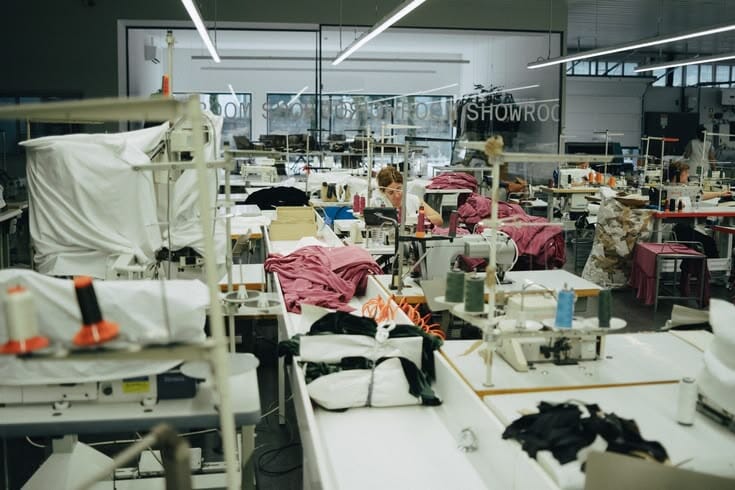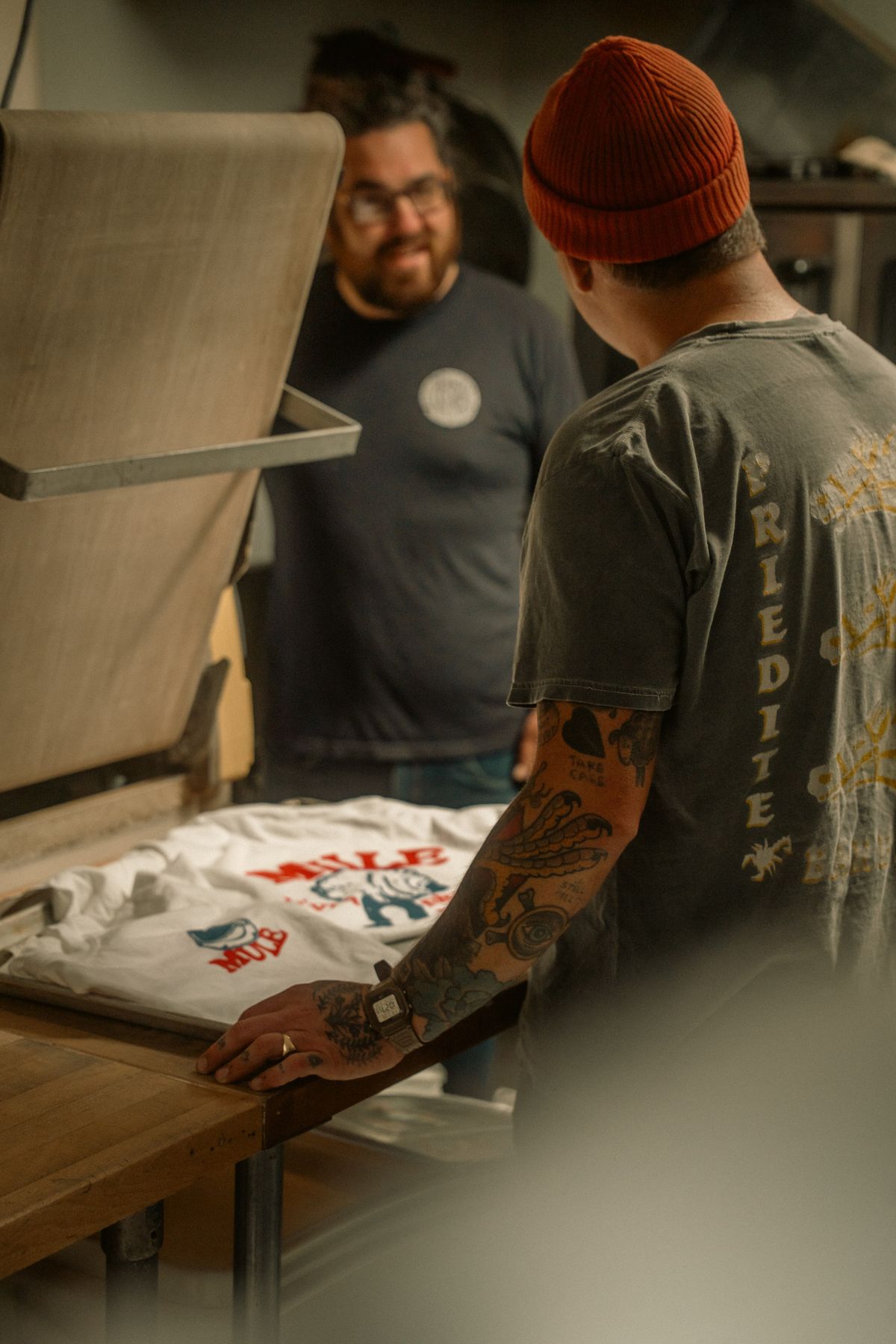
Custom t-shirt manufacturing covers two very different ways of putting your brand on a t-shirt. One prints your design on a stock blank, one order at a time. The other makes the t-shirt itself: the fabric, the weight, the fit, the colour, the labels and the decoration, in a production run with a minimum order.
This guide covers the second model: what you decide, which decoration methods fit which designs, how minimums work, what the sample rounds look like, and when it makes sense to move away from print-on-demand.
Heads up: We're Portugal Clothing Factory. Our team places and manages clothing production with documented factories in northern Portugal, from 100 units per style. The factory bills you directly for production. The guidance below is general and applies to any t-shirt supplier.
Key Takeaways
- Print-on-demand prints on stock blanks; custom manufacturing makes the t-shirt to your specification and needs a minimum order.
- Fabric decisions come first: fibre, yarn type, weight in GSM and shrinkage control decide how the t-shirt feels and lasts.
- Choose the print method by artwork and quantity: screen print for few solid colours at volume, DTG or DTF for full colour and short runs, embroidery for logos.
- Move from print-on-demand when demand is predictable and you can fund and store stock, not on volume alone.
Try it free: Estimate your production cost with our garment cost calculator. 60 seconds, no email required.
What Is Custom T-Shirt Manufacturing?
Custom t-shirt manufacturing means producing t-shirts to your own fabric, fit, colour and decoration requirements, rather than adding your design to a t-shirt someone else designed. There are two models, and most brands meet them in this order.
| Print-on-demand | Custom manufacturing | |
|---|---|---|
| The t-shirt | Stock blank from the service's range | Made to your specification |
| Fabric and fit | Chosen from what is stocked | Your choice of fabric, weight and pattern |
| Minimum order | None, printed per order | Yes, per style and often per colour |
| Inventory | None | You hold the stock |
| Labels and finishing | Limited options | Your own labels, trims and packing |
| Best for | Testing designs and early demand | Proven products and repeat customers |
How the two models compare. Terms vary by supplier, so confirm them in writing.
Print-on-demand services such as Printful and Printify print on blanks from brands they stock, so the fabric, fit and neck label are largely decided for you. Custom manufacturing hands those decisions to you, which is the point of it and also the work. If you are weighing a middle path, our guide to cut and sew vs blanks compares printing on blanks with a full cut-and-sew t-shirt.
In our experience the move from print-on-demand to custom production depends more on operational readiness than on volume. A brand with steady reorders, somewhere to store stock and cash to fund it is ready. A brand with the same sales but no forecast and no storage often is not.
What Fabric Should a Custom T-Shirt Use?
The first decision is the fabric: fibre, yarn and weight. Almost all t-shirts are knitted single jersey, with a rib knit at the neck. Our guides to jersey fabric and rib knit explain both.
| Fabric | What it gives you | Watch for |
|---|---|---|
| Open-end cotton | A dry, matte hand and a lower price | Rougher surface, less suited to fine prints |
| Combed ring-spun cotton | Smoother surface, cleaner print base | Costs more than open-end yarn |
| Compact cotton | Very smooth, low-pilling surface | Ask whether the mill holds it in stock |
| Cotton with elastane | Stretch and recovery for fitted styles | Needs careful heat settings in finishing |
| Cotton and modal blends | Soft hand and drape | Lower wet strength than cotton alone |
| Organic cotton (GOTS) | An organic claim backed by certification | Certification must run through the supply chain |
| Recycled cotton blends | Recycled content claims | Ask for the recycled content certificate |
| Heavyweight cotton | A structured, boxy streetwear feel | Higher fabric cost and longer drying |
General characteristics. Ask the mill for the technical sheet of the exact fabric.
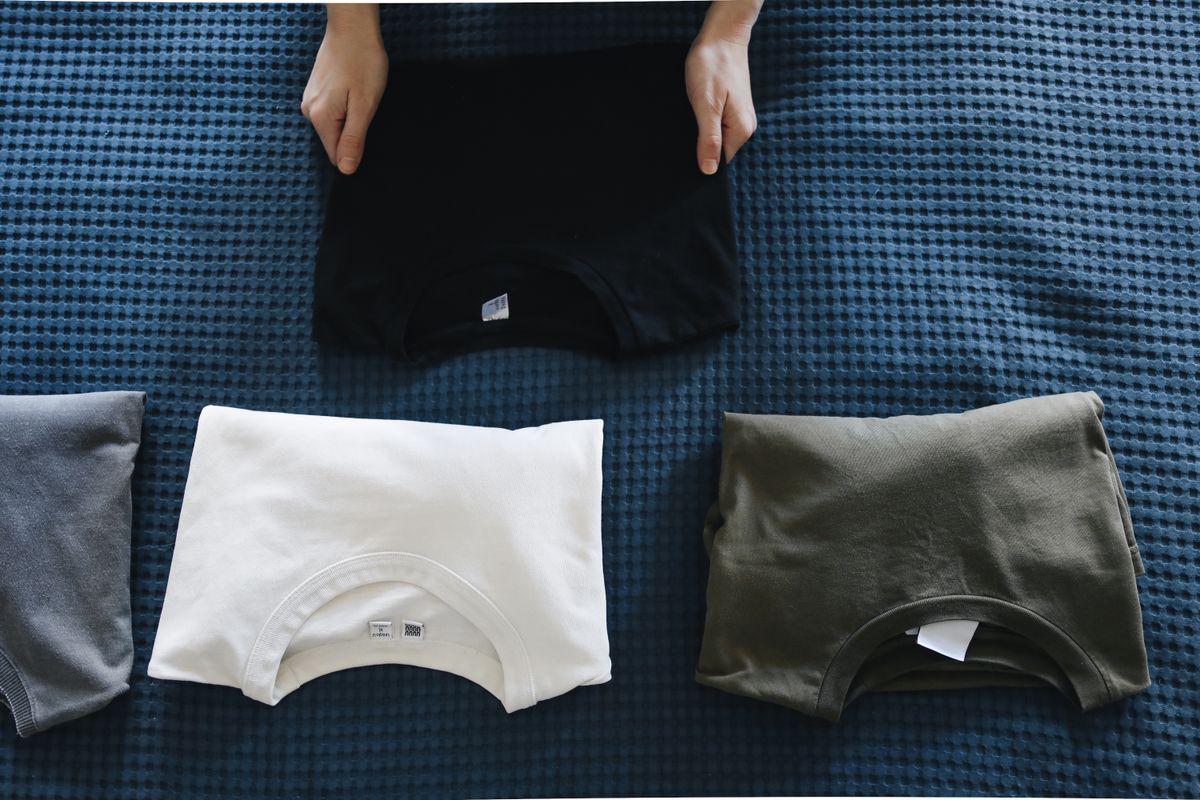
Fabric weight is given in GSM, grams per square metre. Lighter jerseys drape and suit summer t-shirts; heavier jerseys hold shape and suit oversized and streetwear fits. Our GSM guide and cotton fabric guide go into the ranges.
Two checks belong in the specification. First, fabric weight on arrival, with an agreed tolerance. Second, shrinkage after washing, measured on the fabric before cutting, so the pattern can allow for it. Put both numbers in your tech pack so the factory quotes and checks against them.
Which Decoration Methods Are Used on Custom T-Shirts?
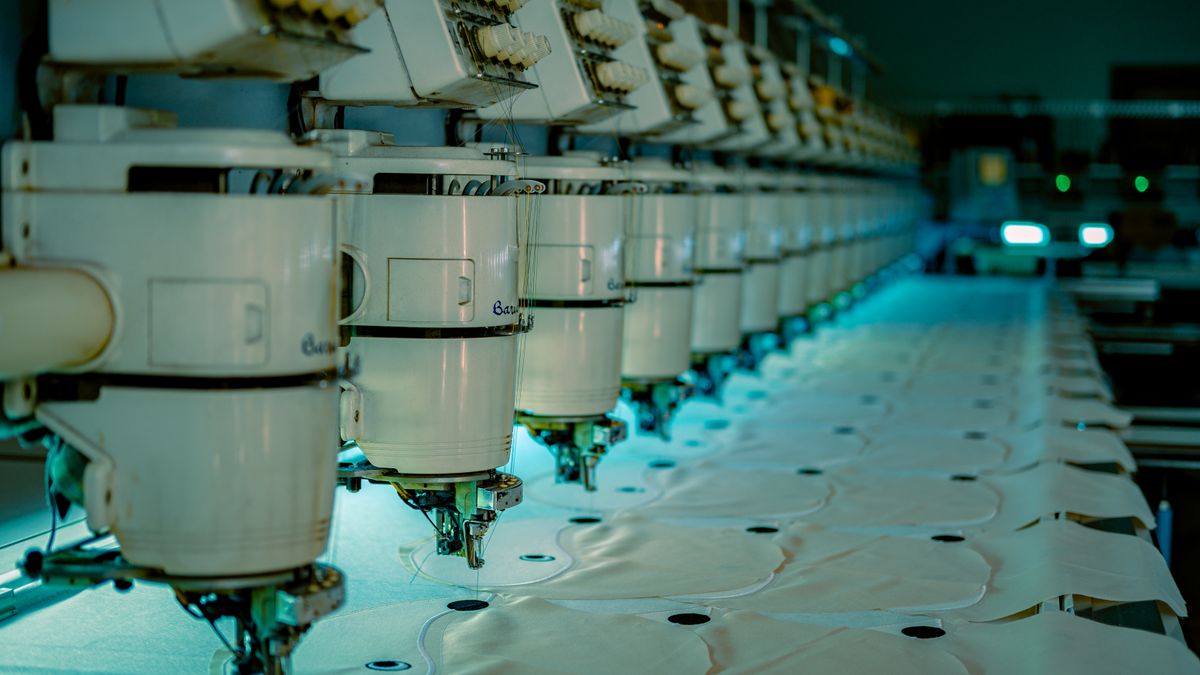
Decoration is where most of the cost and most of the sample rounds sit. Each method has a natural fit.
| Method | Best for | Limitations |
|---|---|---|
| Screen print | Solid-colour logos and graphics at larger quantities | One screen per colour, so setup grows with the number of colours |
| DTG (direct to garment) | Full-colour and photographic artwork, short runs | Works best on cotton; check wash durability on a sample |
| DTF (direct to film) transfer | Full-colour artwork on short runs and mixed fabrics | A film layer you can feel on the fabric |
| Embroidery | Logos, wordmarks and small marks | Cost rises with stitch count; not for large areas |
| Sublimation | All-over prints | Needs polyester fabric, so not used on cotton t-shirts |
| Discharge print | Soft-hand prints on dark cotton | Cotton only, and the fabric dye must allow discharge |
| Puff and specialty inks | Raised or textured effects | Screen-based, so setup per colour applies |
General trade-offs between methods. Confirm cost and minimums with the printer for your artwork.
The most common cost trap is choosing screen print for a short run of a many-colour design. Screen print setup is per colour, so it pays back over larger quantities. For short runs of complex artwork, DTF or DTG is often the better fit. Our comparison of screen printing vs DTG goes through the trade-offs.
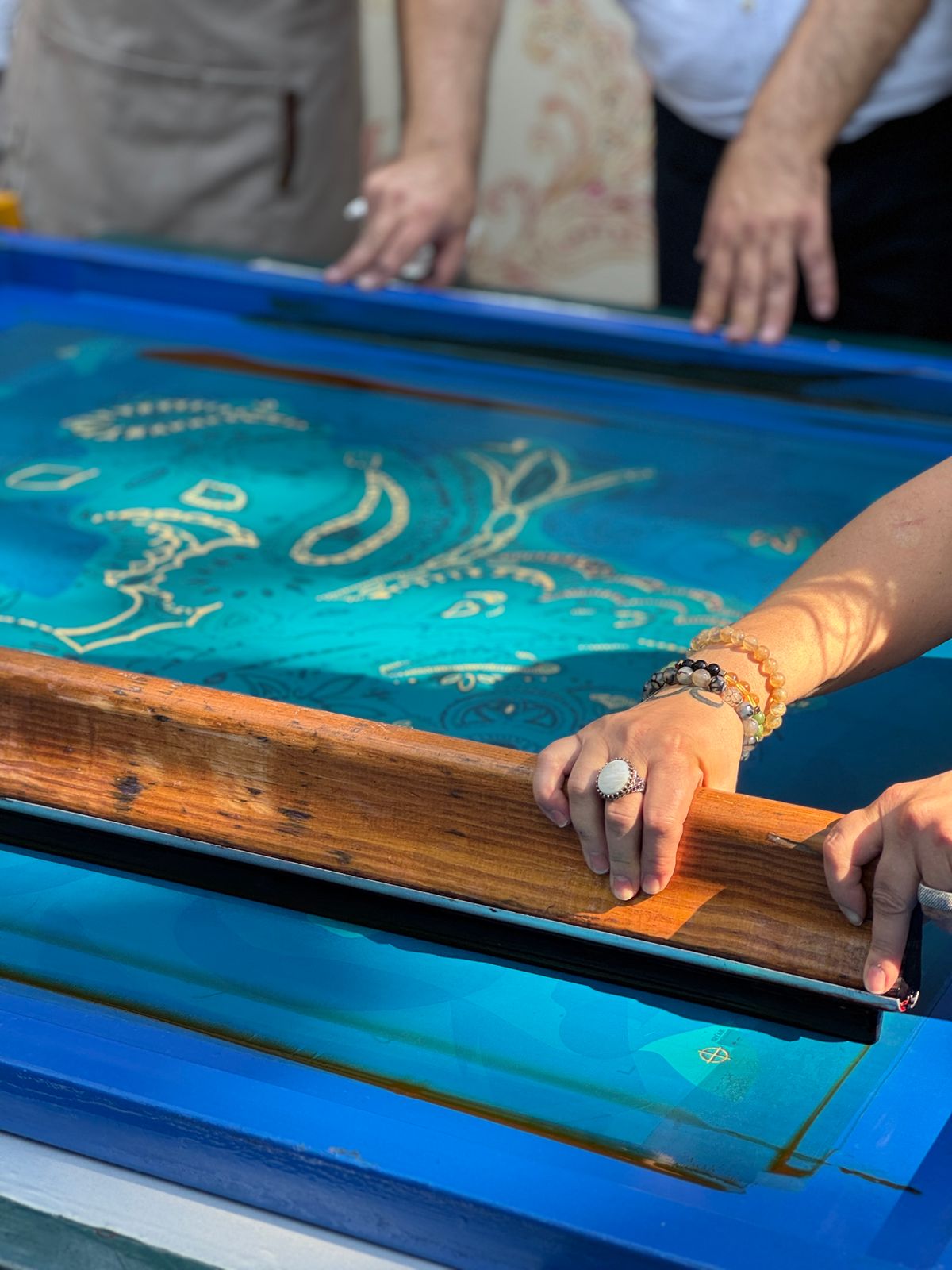
Decoration adds up. A front print, a back print, an embroidered logo and a printed neck label are four separate operations, each with its own cost and its own approval. Decide which ones the retail price can carry before you brief the factory.
How Do Minimum Orders Work for Custom T-Shirts?
A t-shirt minimum is rarely one number. Three minimums can apply at once:
- The factory minimum per style: in our group, production starts from 100 units per style.
- The fabric minimum per colour: a stock colour is easy; a colour dyed to order carries the dye house's minimum.
- The decoration minimum: printers and embroiderers set their own minimums and setup charges per design or colour.
So a style offered in five colours may need more than the factory minimum in total, because each colour has to clear the fabric and print minimums. Fewer colours per style is the simplest way to keep a first order small. Our guide to minimum order quantities in Portugal explains how factories set them.
Citation Capsule Custom t-shirt orders usually face three minimums at once: the factory minimum per style, the fabric minimum per colour (higher when a colour is dyed to order), and the decoration minimum per design or colour set by the printer or embroiderer. A style offered in several colours can therefore need more pieces in total than the factory minimum alone suggests.
Talk to our team: Get in contact with your style, fabric, colours and quantity. Our team replies within 24 hours.
What Does the Sample Cycle Look Like?
T-shirt construction is simple, but decoration adds rounds. A typical sequence:
| Sample stage | What you approve |
|---|---|
| Fit sample in the right fabric | Fit, measurements and fabric hand |
| Strike-off | Print or embroidery colour, placement, size and registration |
| Pre-production sample | Everything final: fabric, colour, decoration, labels and trims |
| Bulk production | Starts after the pre-production sample is approved |
A typical sequence. Extra rounds are added when a stage is not approved.
The stage that most often needs a second attempt is colour, both of the fabric and of the print. Approve colour on a physical strike-off under agreed lighting, not on a screen or a digital proof. Our guide to ordering a clothing sample explains the rounds, and our lead times guide covers how long each step takes.
Which Certifications Do Custom T-Shirts Need?
Choose the certification by the claim you want to make, not to a checklist.
- OEKO-TEX STANDARD 100 tests textiles for harmful substances. Products with direct skin contact, which includes t-shirts, fall under product class 2; products for babies and children up to 3 years fall under the stricter class 1 (OEKO-TEX). Our OEKO-TEX STANDARD 100 guide explains how certificates work.
- GOTS applies when you want to make an organic claim. GOTS-certified products contain at least 70% certified organic fibres; the "organic" label grade needs at least 95%, and "made with organic materials" at least 70% (GOTS).
- Recycled content claims need their own certification from the fabric supplier, carried through the supply chain.
For every certificate, ask for the certificate number and the scope, then check it in the issuer's own database. A certificate held by the mill does not automatically cover the finished t-shirt. Our comparison of OEKO-TEX vs GOTS vs bluesign sets out what each label covers.
What Mistakes Cost the Most in Custom T-Shirt Production?
- Screen print on a short run of many-colour artwork. Setup per colour makes each piece expensive; DTF or DTG may fit better.
- Approving colour on a screen. Without a physical strike-off, bulk colour can drift from what you expected.
- Booking bulk before the pre-production sample is approved. If the sample fails, fabric may already be cut.
- Over-decorating for the price point. Each extra print or embroidery adds cost the retail price has to carry.
- Forgetting dye and wash minimums. Garment-dyed or washed styles carry the wet processor's minimum per colour and recipe.
Our guide to quality control in Portuguese production covers how to catch these problems before the goods ship.
Should You Produce Custom or Stay on Print-on-Demand?
Move to custom manufacturing when
- Demand is predictable enough to hold stock for several months
- The product needs a fabric, weight, fit or finish that stock blanks cannot give
- You can fund the inventory and have somewhere to store it
- Repeat purchases show the product has found its customers
- You want certifications such as GOTS that need control of the supply chain
Stay on print-on-demand when
- You are still testing designs or launching occasional drops
- You have no storage or cash to fund stock
- Your designs change faster than a production run can be sold
If you are between the two, a small first run of one or two styles in few colours is a sensible step. It tests the product and the supplier without committing to a full range.
Conclusion: What This Means for Your Brand
Custom t-shirt manufacturing rewards preparation. Decide the fabric and weight first, choose decoration by artwork and quantity, keep colours per style few on the first run, and approve colour on physical samples. Write every one of those decisions into the tech pack so the factory quotes and checks against them.
Get the specification right and the t-shirt becomes a repeatable product. Leave it vague and you invite substitutions, shrinkage complaints and margin surprises.
Producing t-shirts in Portugal? Our team places and manages your production with a factory in our group that fits the product, from 100 units per style. See how we work.
Frequently Asked Questions
What is the minimum order for custom t-shirt manufacturing?
It depends on the factory and on the fabric. In our group, production starts from 100 units per style. Printing and dyeing can carry their own minimums per colour, so a style in five colours may need more than 100 pieces in total. Below that, print-on-demand on stock blanks is usually the simpler option.
What is the difference between print-on-demand and custom t-shirt manufacturing?
Print-on-demand services print your artwork on stock blank t-shirts one order at a time, with no inventory. Custom manufacturing makes the t-shirt itself to your specification: fabric, weight, fit, colour, labels and decoration. It needs a minimum order and stock, and gives you control over the product.
Which printing method is best for custom t-shirts?
It depends on the artwork and the quantity. Screen printing suits simple designs in a few solid colours at larger quantities, because each colour needs its own screen. DTG and DTF suit full-colour artwork and shorter runs. Embroidery suits logos and small marks. Sublimation needs polyester fabric, so it is not used on cotton t-shirts.
How long does custom t-shirt production take?
Plan for the sample rounds first: a fit sample in the right fabric, a strike-off for the print, and a pre-production sample. Bulk starts after the pre-production sample is approved. The timeline depends on fabric availability, the decoration and the factory's schedule, so ask for a dated plan with the quote.
Which certifications should a custom t-shirt have?
OEKO-TEX STANDARD 100 tests for harmful substances; t-shirts worn against the skin fall under product class 2. GOTS applies if you want to make an organic claim: GOTS products contain at least 70% certified organic fibres, and the 'organic' grade needs at least 95%. Ask for the certificate and check it in the issuer's database.
When should a brand move from print-on-demand to custom manufacturing?
When demand is predictable enough to hold stock, the product needs a fabric, fit or finish that stock blanks cannot give, and you can fund and store the inventory. Volume alone is not enough: a brand without forecast reliability or storage can lose money moving early.
We work with 80+ documented Portuguese clothing factories in the northern textile cluster. Tell us your product, volume, and timeline; our team replies within 24 hours. If it is a fit, we place and manage your production with the factory in our group built for it. Fee quoted in writing, no commissions.
Get in contact Download the directory (€49)Need a tech pack? Get a factory-ready single-style tech pack for €79. See what's included.
Sources used in this article
- OEKO-TEX, STANDARD 100: harmful substance testing and the four product classes.
- GOTS, key features: minimum 70% certified organic fibres and the "organic" (95%) and "made with organic materials" (70%) label grades.
Portugal Clothing Factory is a group of documented Portuguese clothing factories in the northern textile cluster (Porto, Guimarães, Braga, Barcelos, Famalicão). We quote our fee in writing, reply within 24 hours, and place and manage production with the factory in our group built for your product. See how we work or get in contact.