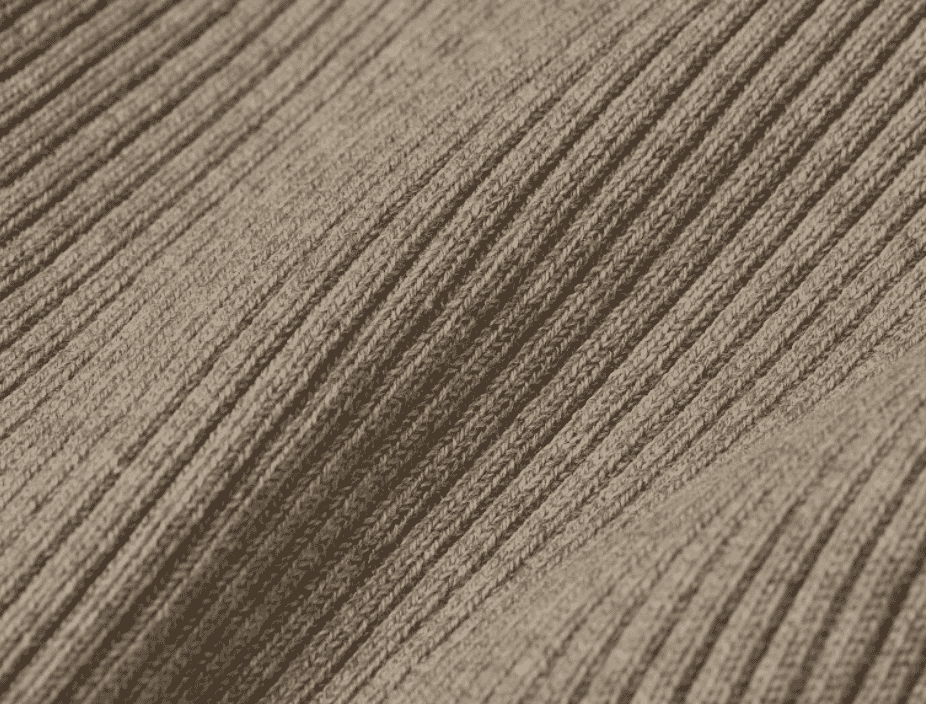
Rib knit is the fabric that hugs your wrist at the cuff, snaps back at the waistband, and, since 2020, has quietly taken over half the fitted tops in womenswear. Roughly 55% of the factory group we've documented in Portugal handles rib knit as a regular part of production, either as garment trim (cuffs, collars, waistbands) or as the main fabric in fashion tops, dresses, and matching sets (PCF factory group documentation, 2024-2026).
This guide covers what rib knit is, the difference between 1x1, 2x2, 4x4 and ottoman rib, how the fabric is constructed on the machine, real EUR pricing per meter at Portuguese mills, and the garments where rib knit lands well versus where it doesn't. Everything below reflects manufacturer-side observations from production runs coordinated across the Porto, Guimarães, Braga, Barcelos, and Famalicão regions.
Heads up: We're Portugal Clothing Factory, a group of Portuguese garment factories in the northern textile cluster. Data below draws from our factory group documentation and quotes received between 2024 and 2026.
complete Portuguese textile production guide
Key Takeaways
- Rib knit is a double-bed weft knit with alternating knit and purl loops, giving strong horizontal stretch and vertical structure
- 1x1 rib is the standard for cuffs, collars, and fashion tank tops; 2x2 rib is heavier and reads more sportswear
- Cotton rib at Portuguese mills costs €4.50-9/m; merino wool rib runs €14-26/m; cashmere rib €30-65/m
- Around 55% of PCF factory group works with rib knit regularly, mostly for trims and fashion tops (PCF factory group documentation, 2024-2026)
- Typical MOQ is 100-500 units per style; lead time is 5-8 weeks for standard cotton rib
Try it free: Pressure-test your production cost with our garment cost calculator. 60 seconds, no email required.
What Is Rib Knit Fabric?
Rib knit fabric is a double-bed weft knit made by alternating knit and purl stitches in vertical columns, creating pronounced ribs on both faces. It's structurally symmetrical, stretches heavily across the width, and holds its shape after wear. The construction dates back to the 16th century, when it was developed for stocking cuffs and hosiery tops that needed to grip the leg (Victoria and Albert Museum, textile history collection).
The defining feature of rib is the two-bed knitting method. Where single jersey uses one needle bed, rib uses two beds working in opposition. That opposition is what makes rib fabric grip. The vertical ribs contract inward and pull the fabric tight against whatever it wraps: a wrist, a waist, a torso.
In the knit family, rib sits between jersey (lighter, less stretch) and interlock (denser, more stable). Its personality is grip. That grip is why rib appears at every cuff, waistband, and collar band across contemporary knitwear, and why fashion designers reach for it whenever a garment needs to cling.
Citation Capsule: Rib knit fabric is a double-bed weft knit with alternating columns of knit and purl stitches, producing visible vertical ribs on both faces. Invented in the 16th century for stocking cuffs, rib is now the default fabric for garment trims (cuffs, collars, waistbands) and for fitted fashion tops, tanks, and matching sets (Victoria and Albert Museum, textile history collection).
Other names you'll see
Rib knit shows up under several names in supplier catalogues. "Ribbed knit", "rib fabric", and simply "rib" all refer to the same construction. Portuguese mills call it "malha canelada" or "malha rib" in factory paperwork. Specific variants (1x1, 2x2, 4x4) describe the ratio of knit to purl columns. Whatever the label, the core structure is a two-bed knit with alternating stitch types.
single jersey construction and how it differs from rib
What Are the Types of Rib Knit?
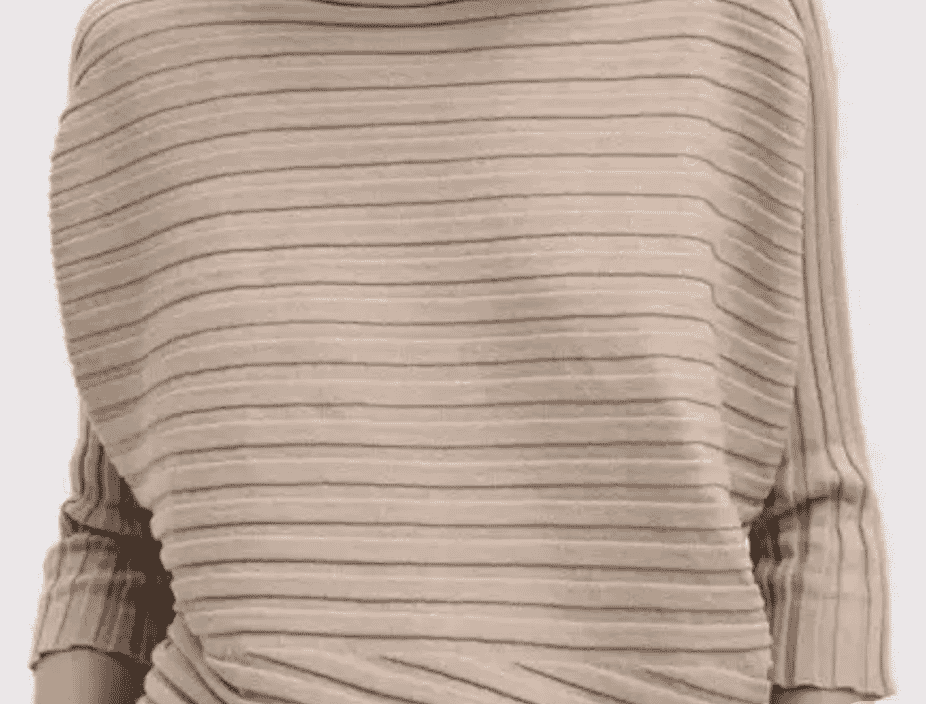
Rib knit comes in several ratio variants, with 1x1 and 2x2 covering roughly 80% of European rib production in 2025 (EURATEX, 2025). The number pair describes the alternation pattern: 1x1 means one knit column followed by one purl column, 2x2 means two of each. Each variant carries a different weight, hand-feel, and visual read on the finished garment.
Choosing the right rib type is a design decision that shifts the whole personality of the piece. A 1x1 rib tank reads sleek and body-hugging. The same garment in 2x2 rib reads sportier and heavier. Ottoman rib reads structural and often turns up on premium cardigans.
1x1 rib
1x1 rib alternates one knit and one purl column across the fabric. It's the finest, stretchiest, and most common rib. Weight typically sits at 180-220 GSM. Used for t-shirt cuffs and collars, hoodie neckbands, and any fitted top where the fabric needs to cling. Since 2020, 1x1 rib has been the base fabric for the entire "rib fitted top" trend across womenswear and lounge sets.
2x2 rib
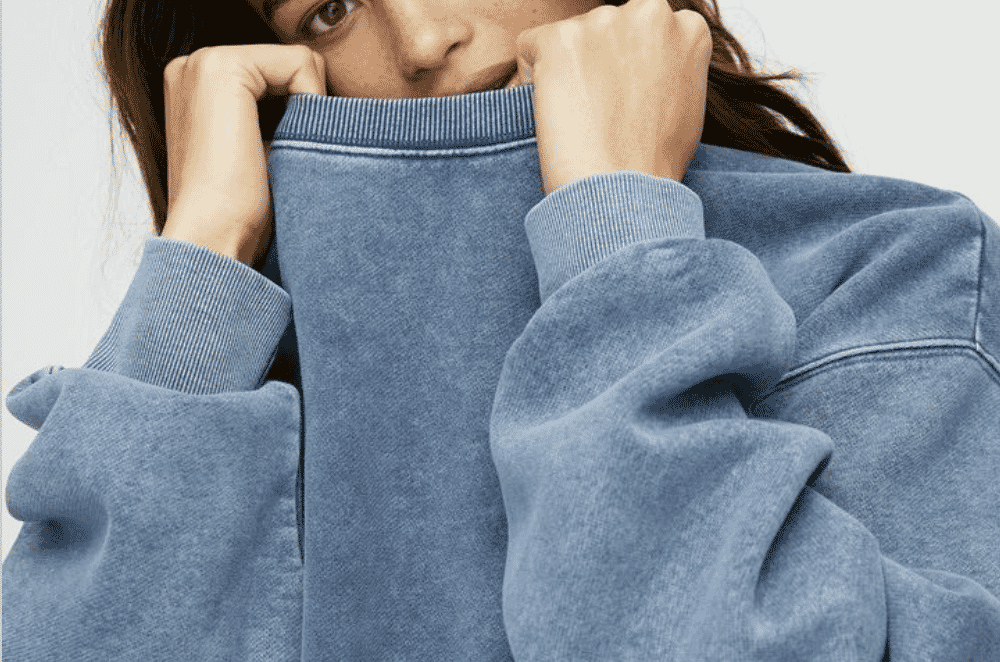
2x2 rib alternates two knit and two purl columns. Ribs read wider, the fabric feels a bit heavier, and recovery is strong. Weight typically 220-280 GSM. This is the classic sportswear cuff and waistband rib, used on hoodies, sweatshirts, and joggers. It also turns up as the main fabric in structured tank tops and turtlenecks.
4x4 rib
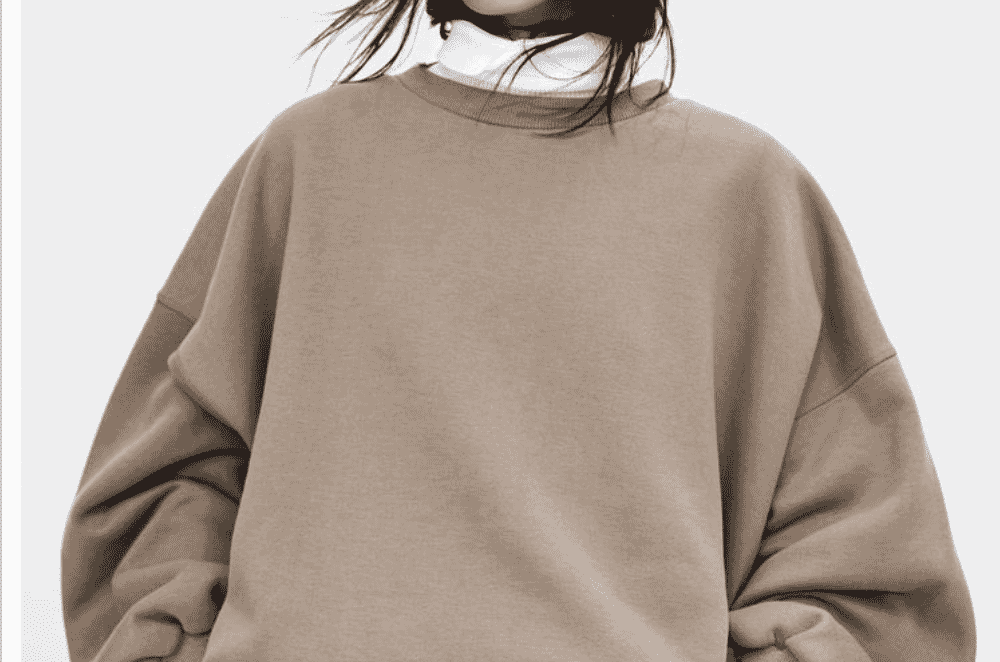
4x4 rib uses four knit and four purl columns, producing wide, bold ribs. Weight sits at 240-320 GSM. Less stretchy than 1x1 or 2x2, more structural. Common in premium knitwear, ribbed cardigans, and statement fashion pieces where the rib itself is a design feature rather than a trim.
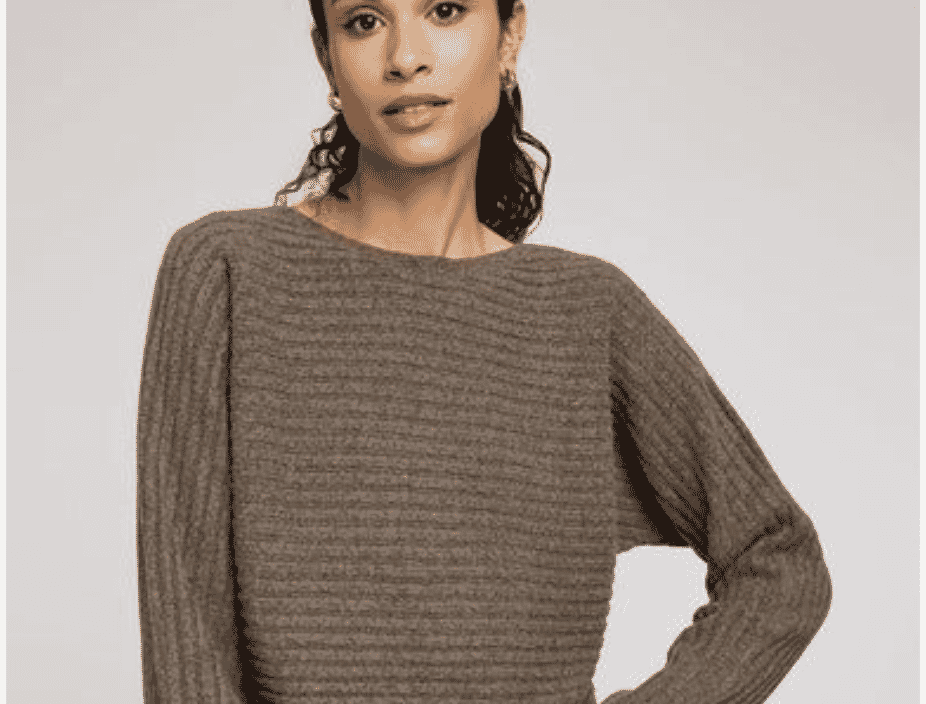
Ottoman rib
Ottoman rib is an asymmetric variant with horizontal cording, creating a broad horizontal rib rather than the vertical ribs of standard rib knit. It's structural, holds shape without recovery, and reads premium. Used in tailored cardigans, structured womenswear tops, and jackets. Prices run €7-14/m for cotton.

Drop-needle rib
Drop-needle rib is produced by removing selected needles from the knitting sequence, creating skipped columns that widen the ribs and add textural interest. It sits between 1x1 rib and a rustic hand-knit look. Common in loungewear, fashion tops, and premium tees. Cost is similar to 2x2 cotton rib.
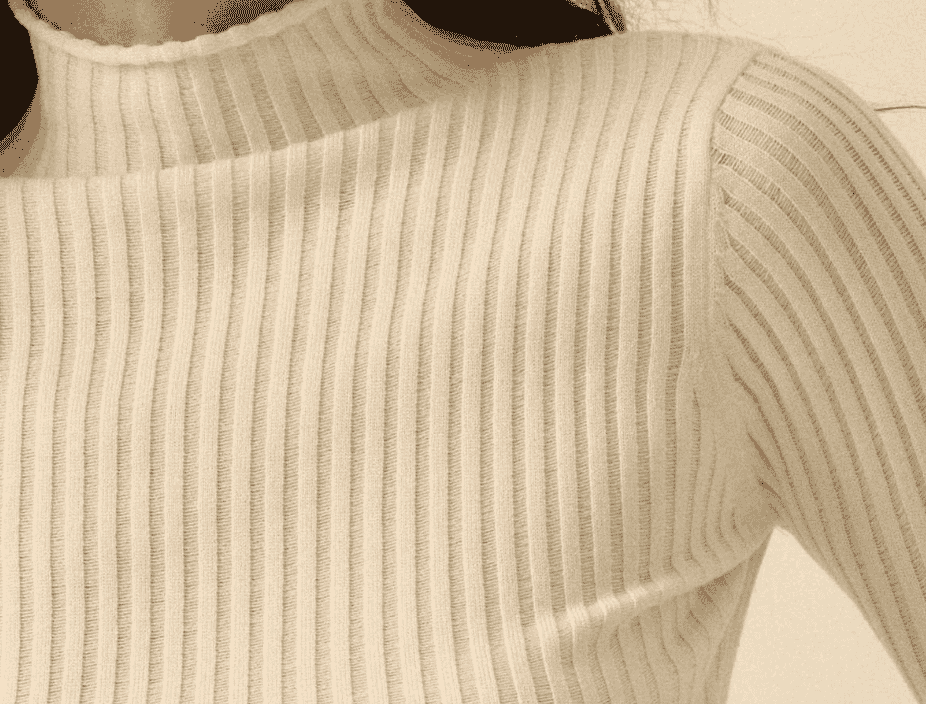
Citation Capsule: 1x1 rib (one knit, one purl column) and 2x2 rib (two of each) account for around 80% of European rib production. 1x1 is standard for cuffs, collars, and fitted fashion tops; 2x2 is heavier and dominates sportswear trims. Ottoman rib and drop-needle rib serve premium and structural applications (EURATEX, 2025).
French terry construction for hoodie bodies
How Is Rib Knit Constructed?
Rib knit is produced on double-bed circular or flat knitting machines, using two sets of needles working in alternating positions. The front-bed needles pull knit loops toward the viewer while the back-bed needles push purl loops away, and the sequence of front and back needles determines the rib ratio. Roughly 70% of Portuguese rib production runs on double-bed circular machines gauged 12-18 (ATP, 2025).
The construction is what gives rib its stretch mechanics. When the fabric relaxes, the knit and purl columns pull toward each other, contracting the width. When stretched sideways, those columns rotate and open, allowing the fabric to expand well past its resting width and snap back afterward. That elastic recovery is a mechanical property of the loop structure itself, not the yarn.
Face-and-purl loop mechanics
Each vertical column in rib knit is either a face loop (smooth outer surface) or a purl loop (bumpy inner surface). Where jersey has face loops on the outside and purl loops on the inside, rib has both on the same face, alternating column by column. When the fabric relaxes, purl columns tuck behind face columns, and the fabric contracts. That contraction is what makes rib grip a cuff or hug a waist.
Why rib stretches horizontally but not vertically
The horizontal stretch of rib comes from the column contraction unwinding under lateral tension. Vertical stretch is limited because the loops themselves have to unfold, and they resist unfolding much more than they resist unwinding sideways. This is why a rib cuff snaps back around a wrist but doesn't sag along its length, and why a rib top can be cut narrow and still fit a range of body sizes.
Why the two-bed setup matters commercially: rib knitting machines are more expensive than single-jersey circular machines, and they're slower per meter of fabric produced. Portuguese mills that own rib capacity have made a capital commitment to that fabric family. In our factory group, factories with in-house rib capacity typically produce t-shirts with a matching rib collar cut from the same yarn lot, which is why Portuguese knit garments so often show cleaner collar-body colour matching than imported alternatives.
What Are the Properties of Rib Knit?
Rib knit's defining properties are strong horizontal stretch, high elastic recovery, dimensional contraction across the width, and a two-faced symmetrical appearance. The horizontal stretch on 1x1 cotton rib typically reaches 60-100% before yield, with 85-95% recovery after stretch release (CITEVE, 2024 knit fabric testing report). These mechanics are the reason rib works for garment trims and body-conscious tops.
Understanding rib's properties in advance saves problems downstream. Founders often specify rib for a cuff or collar and get exactly what they wanted, but occasionally they specify rib for the body of a boxy tee and end up with a garment that contracts unexpectedly across the chest.
Stretch and recovery
Rib stretches 60-100% horizontally with 85-95% recovery after release for standard cotton. Adding 3-5% elastane pushes recovery close to 98%. Vertical stretch is limited (typically 10-20%). This means rib garments hug the body and return to shape after wear, but can't be forced to grow in length without deforming.
Contraction across width
Rib fabric leaves the machine at one width and contracts as soon as it relaxes. A rib fabric knit at 180cm face-width can settle to 90-110cm after finishing. Patterns must be scaled to the contracted width, not the loom width. Portuguese mills handle this in the finishing stage through calendaring and steam relaxation.
Two-face symmetry
Both faces of rib fabric look effectively the same, though careful inspection reveals which column is face and which is purl. This symmetry means rib garments don't need separate right and wrong side cuts, which simplifies the cutting room.
Edge behaviour
Rib does not curl at the edges the way single jersey does, because the alternating construction is symmetric. This is one reason rib is favoured for cuffs, waistbands, and neckbands: raw edges lay flat and sit cleanly against the adjoining fabric.
Weight and drape
Rib is typically heavier than single jersey at the same yarn count because it uses twice the needles per width. A cotton 1x1 rib at 200 GSM feels denser and more substantial than a cotton single jersey at 200 GSM, and drapes with more weight through the length of the garment.
Citation Capsule: 1x1 cotton rib knit stretches 60-100% horizontally with 85-95% recovery after release; adding 3-5% elastane pushes recovery to around 98%. Rib does not curl at the edges, contracts significantly across the width during finishing, and appears symmetrical on both faces (CITEVE, 2024 knit fabric testing report).
What Garments Are Made with Rib Knit?
Rib knit shows up in two clearly different roles: as functional trim (cuffs, waistbands, collars) on almost every knit garment, and as the main fabric on fitted fashion tops, dresses, and matching sets. The fashion-side share grew rapidly between 2020 and 2025, with fitted rib tops and matching rib sets accounting for a rising share of women's knit output across Europe (WGSN trend reporting, 2024).
Applications across our factory group: in production runs coordinated between 2024 and 2026, rib appeared as t-shirt cuffs and collar bands on roughly 70% of t-shirt orders, as hoodie cuffs and waistbands on virtually every hooded garment order, and as the main fabric on around 18% of women's tops. Fashion rib dresses, tanks, and matching sets accounted for the fastest-growing application. Sweater cuffs in matched rib appeared on almost all knitwear orders.
Functional trim applications
Rib appears as trim on nearly every casual knit garment produced. T-shirt collars and cuffs, hoodie waistbands and sleeve cuffs, sweatshirt cuffs and hems, polo collars in flat-knit rib, sweater cuffs, jogger cuffs. The functional role is grip: rib holds the opening tight against the body without pinching.
Fashion fabric applications
As a main fabric, rib shows up in fitted t-shirts and long-sleeve tops, tank tops (especially the 1x1 cotton rib summer tank), body-conscious dresses, matching two-piece sets (top plus shorts or top plus skirt), turtlenecks in 2x2 rib, and cardigans in 4x4 or ottoman rib. The 2020-2025 stretch of the ribbed set trend pulled a lot of fashion volume toward this fabric.
Application by rib type
- 1x1 cotton rib (fine): t-shirt cuffs and collars, fitted tank tops, summer dresses, women's fitted tees
- 2x2 cotton rib (mid): hoodie cuffs and waistbands, sweatshirt hems, sportswear tanks, turtlenecks
- 4x4 or ottoman rib (heavy): cardigans, structural cardigans, statement fashion knits
- Merino or cashmere rib: premium sweaters, luxury turtlenecks, high-end knitwear cuffs
knitwear manufacturing capacity across the Portuguese cluster
Find your factory: Browse the free factory directory preview, or unlock the premium directory for €39 to see 80 documented Portuguese factories with rib knit capability flagged.
What Does Rib Knit Cost per Meter in Portugal?
Rib knit prices at Portuguese mills in 2026 range from €4.50/m for standard cotton 1x1 rib at 200 GSM up to €65/m for cashmere rib in premium knitwear. Composition drives about 70% of the variance; GSM, ratio, and certification cover the rest (ATP, 2025). The 12,000 textile companies operating in Portugal give brands a wide range of price and quality tiers to work with.
Founders should read the cost table below with a specific garment in mind. Rib as trim consumes a small amount of fabric per garment (0.1-0.2m for cuffs and collar combined). Rib as main fabric consumes more (0.8-1.4m for a fitted top), which is when composition choice starts to move the finished garment price meaningfully.
Composition drives the base cost
Standard combed cotton rib sits at the floor. Adding 3-5% elastane pushes the price up 10-20%, largely because of the elastane cost. Modal-elastane blends run 40-60% higher than cotton. Merino wool doubles or triples the cotton price, and cashmere rib sits in luxury territory at €30-65/m.
GSM and rib ratio
Heavier rib ratios (4x4, ottoman) use more yarn per meter than 1x1 rib and typically add 30-60% to the fabric price at the same composition. GSM increases follow yarn consumption proportionally.
Certifications add a measurable premium
OEKO-TEX Standard 100 is the baseline safety certification and is carried by nearly all Portuguese rib mills. It adds €0.30-0.80/m. GOTS-certified organic cotton rib adds €1-3/m over conventional. Recycled cotton (GRS) sits in the same range. Merino and cashmere programmes often carry RWS or SFA certifications with their own premiums.
Practical planning: for a fitted tank in 1x1 cotton rib using 1.0m of fabric, the fabric alone costs €4.50-8. For a merino rib turtleneck using 1.5m, the fabric cost jumps to €21-39. That fabric-only figure typically represents 30-45% of the ex-factory garment price on rib pieces.
full Portugal clothing manufacturing cost breakdown
Need a tech pack? Get a factory-ready single-style tech pack for €79. See what's included.
Rib Knit vs Jersey vs Interlock: How Do They Compare?
Rib, jersey, and interlock cover roughly 78% of European knit apparel fabric production in 2025 (EURATEX, 2025). They differ in the number of needle beds used, how loops interconnect, weight range, stretch behaviour, and edge behaviour. Choosing between them is one of the first fabric decisions on any new knit garment, and the wrong choice shows immediately on the finished piece.
| Attribute | Rib Knit | Single Jersey | Interlock |
|---|---|---|---|
| Needle beds | 2 (alternating) | 1 | 2 (interlocking) |
| Face structure | Vertical ribs on both faces | Flat outer, ribbed back | Same on both faces |
| Weight range | 180-320 GSM | 130-220 GSM | 200-320 GSM |
| Stretch profile | Very strong cross-stretch, low length stretch | Cross-stretch dominant | Balanced, less stretch |
| Edge behaviour | Contracts inward, lays flat | Curls at raw edges | Lays flat |
| Best applications | Cuffs, collars, waistbands, fitted tops, tanks, matching sets | T-shirts, dresses, base layers | Polos, structured tops, kidswear |
| Cost per meter (Portugal, cotton) | €4.50-9 | €3.50-8.50 | €5-9 |
| Typical Portuguese lead time | 5-8 weeks | 4-7 weeks | 5-8 weeks |
Sources: PCF factory group data (2024-2026), industry references.
When to choose rib
Choose rib when the garment needs to grip: a cuff that snaps back, a waistband that stays put, a collar that hugs the neck, a fitted tank that clings to the torso. Choose rib when a fashion piece needs the vertical wale texture as a design feature. Choose rib when a matching sportswear cuff-and-waistband trim needs to sit cleanly against a heavier body fabric.
When rib is the wrong pick
Rib is the wrong choice for boxy tees, dropped-shoulder silhouettes, and any garment intended to hang straight. The natural contraction of rib pulls the fabric inward across the width, which fights loose silhouettes. Rib is also the wrong choice for structured tailored pieces where dimensional stability matters more than stretch, which is where interlock and heavier woven fabrics work better.
dress fabric selection at Portuguese factories
Talk to a real person: Get in contact and we'll tell you which 2 to 3 factories in our group actually fit your brief.
Which Portuguese Mills Knit Rib?
Rib knit production in Portugal concentrates in the Vale do Ave, Vale do Cávado, and Barcelos knitting corridors, with roughly 9 mills running dedicated double-bed circular rib machines and another 15+ factories offering rib as trim through flat-knit accessories. Rib mills service the 55% of PCF-documented factories that regularly use rib in production, according to our 2024-2026 factory group data.
- Impetus (Barcelos): rib knits for underwear and coordinated-set programmes, 1x1 and 2x2 cotton and modal-elastane, GOTS + OEKO-TEX, MOQ from 200 m
- Riopele (Famalicão): wide-gauge rib in cotton, modal and Lenzing-licensed Ecovero blends, bluesign, comfortable 500-3,000 m runs
- Tintex (Vila Nova de Cerveira): GOTS organic cotton rib, Ecovero rib, GRS recycled cotton rib at 300 m minimums, EU Ecolabel
- Troficolor (Vizela): commercial 1x1 and 2x2 cotton rib for private-label t-shirt trims, stock-dyed
- Somelos (Guimarães): yarn-dyed rib for shirt collar bands and cardigan bodies at 80s/2 to 120s/2, OEKO-TEX
- Adalberto Estampados (Famalicão): dyed and printed 1x1 rib for fashion tops, Kornit + reactive printing
- Lameirinho (Guimarães): cotton rib for shirt trim and cuff programmes coordinated with their poplin book, OEKO-TEX + GOTS
- Coelima (Guimarães): rib-related programmes on home-textile-adjacent lines, occasionally routed for capsule loungewear
Cost per meter follows composition and volume tightly at these mills. The table below reports EUR per meter for 1x1 rib at 200 GSM across four typical fabric-order tiers.
| Composition | 100 m | 300 m | 500 m | 1,000 m |
|---|---|---|---|---|
| Standard cotton | €7-9/m | €5.50-7/m | €5-6.50/m | €4.50-6/m |
| Cotton + 5% elastane | €8-10/m | €6.50-8/m | €6-7.50/m | €5.50-7/m |
| GOTS organic cotton | €10-13/m | €8-10.50/m | €7.50-9.50/m | €7-9/m |
| Modal-elastane | €12-15/m | €10-12.50/m | €9.50-11.50/m | €9-11/m |
| Merino wool 18.5 micron | €22-28/m | €18-24/m | €16-22/m | €14-20/m |
| Cashmere | €48-65/m | €40-58/m | €36-55/m | €32-52/m |
Certifications carried by rib mills include OEKO-TEX Standard 100 as baseline, GOTS on organic cotton programmes at Impetus and Tintex, GRS on recycled-content rib at Tintex and select Riopele lines, RWS (Responsible Wool Standard) on merino programmes, and bluesign on Riopele's Ecovero-modal rib. Lenzing licensing (Ecovero, Modal, Tencel) is required to name any Lenzing branded fibre on the hangtag legally.
Citation Capsule: Around 9 Portuguese mills run dedicated double-bed rib machines, concentrated in Barcelos and the Vale do Ave. Impetus and Tintex anchor GOTS-certified organic cotton rib at 300-500 m minimums; Riopele covers modal-elastane and Ecovero blends for premium fashion tops; Troficolor and Somelos handle stock-dyed commercial rib for t-shirt trim. Merino rib carries RWS certification, and Lenzing licensing is required for any Ecovero or Modal claim on the hangtag (ATP, 2025).
Rib Knit Founder Mistakes and Decision Matrix
Around 48% of first-time rib knit orders audited across our factory group between 2024 and 2026 mis-specced either the rib ratio, the GSM, or the elastane percentage. The mistakes below drive most sample rework, and the decision matrix maps rib type to garment fit.
The most common rib knit speccing mistakes
- Speccing 1x1 rib for a boxy oversized tee. The rib contracts inward across the width and pulls the boxy silhouette in by 3-5 cm. Fashion brands that want the "ribbed tee" look on a boxy fit should use heavier 2x2 or ottoman rib, or accept a narrower silhouette than the sketch shows.
- Missing the elastane spec on cuffs and waistbands. Without 3-5% elastane, cotton rib cuffs lose recovery after 10-15 washes and start sagging. Adding elastane costs €0.50-1.20/m and extends garment life by roughly 40% in standard wash-cycle testing.
- Choosing 180 GSM 1x1 for a body-hugging fitted top. At 180 GSM the fabric reads flimsy at retail and shows undergarments through the fabric. A 220-240 GSM 2x1 or 2x2 rib with 3-5% elastane is the current fitted-top standard across contemporary womenswear.
- Using 4x4 rib for cuffs. 4x4 ribs sit too wide against a sleeve opening and don't grip the wrist. Reserve 4x4 and 5x2 for statement cardigans, structural knitwear, and bold fashion pieces where the rib itself is the design.
- Skipping the width-contraction note on the tech pack. Rib fabric knit at 180 cm settles to 90-110 cm after finishing. Patterns cut against the loom width instead of the relaxed width oversize the finished garment by 40-60%.
Rib ratio to garment application
| Rib type | Typical GSM | Elastane % | Standard use | Portuguese cost/m (500 m) |
|---|---|---|---|---|
| 1x1 fine rib | 180-220 | 3-5% | T-shirt cuffs, collar bands, fitted tanks | €5-6.50 |
| 2x1 rib | 200-240 | 3-5% | Fashion fitted tops, dresses, coordinated sets | €5.50-7 |
| 2x2 rib | 220-280 | 3-5% | Hoodie cuffs, waistbands, sportswear trims, turtlenecks | €6-8 |
| 4x4 rib | 240-320 | 0-3% | Cardigans, structural knits, statement pieces | €9-13 |
| 5x2 rib | 260-340 | 0-3% | Premium cardigans, chunky knitwear | €11-15 |
| Ottoman rib | 260-320 | 0-3% | Structural tailored cardigans, jackets | €10-14 |
Cuff, collar, and waistband GSM standards
| Trim location | Typical rib | GSM | Elastane % |
|---|---|---|---|
| T-shirt collar band | 1x1 | 200-220 | 3-5% |
| T-shirt cuff | 1x1 or 2x1 | 200-240 | 3-5% |
| Hoodie/sweatshirt cuff | 2x2 | 240-280 | 3-5% |
| Hoodie/sweatshirt waistband | 2x2 | 240-280 | 3-5% |
| Polo collar (flat-knit) | 1x1 | 220-260 | 0-3% |
| Sweater cuff (coordinated body yarn) | 2x2 or 4x4 | 260-320 | 0% |
| Jogger cuff | 2x2 | 260-300 | 3-5% |
Decision matrix: which rib for which product
| Brand scenario | Rib type | Composition | Portuguese mill fit |
|---|---|---|---|
| Fitted rib tank, €35 retail | 1x1 cotton | 3-5% elastane | Impetus, Troficolor |
| Sustainable fitted tee, GOTS claim | 2x1 organic cotton | 3-5% elastane | Tintex, Impetus |
| Premium body-hugging dress, €95 retail | 2x1 modal blend | 3-5% elastane | Riopele |
| Hoodie cuff + waistband programme | 2x2 cotton | 3-5% elastane | Troficolor, Riopele |
| Structural cardigan, €180 retail | 4x4 or ottoman cotton | 0-3% elastane | Riopele, Somelos |
| Merino turtleneck, €150 retail | 2x2 merino wool | 0-3% elastane, RWS | Riopele partner network |
| Cashmere ribbed jumper, €340 retail | 4x4 cashmere | 0% elastane | Specialist finishing route |
Conclusion: What This Means for Your Brand
The practical takeaway across the sections above: match rib knit to the product categories where its properties actually matter, specify it clearly on the tech pack (name the branded fibre or exact composition), and route production to a Portuguese factory in the subset that stocks the yarn or has the finishing lines built for it.
Get the spec right and the fabric becomes a repeatable, reliable choice. Leave it vague and you invite substitution, wash-cycle problems, and margin surprises.
Running into production issues? Get in contact and tell us what you're making. We're a group of documented Portuguese garment factories and we answer every serious brief within 24 hours.
Frequently Asked Questions
What is rib knit fabric made of?
Rib knit is most commonly made of cotton, often with 3-5% elastane added for improved recovery. Around 82% of European rib production still uses cotton as the primary fibre (Textile Exchange, 2024). Modal, viscose, merino wool, and cashmere blends serve premium tiers, with merino rib and cashmere rib appearing in luxury knitwear.
What is the difference between 1x1 and 2x2 rib?
1x1 rib alternates one knit column with one purl column, producing fine narrow ribs, high stretch, and a lightweight hand (180-220 GSM). 2x2 rib alternates two of each, producing wider ribs, a heavier hand, and stronger recovery (220-280 GSM). 1x1 is standard for fitted tops and t-shirt trims; 2x2 is standard for sportswear cuffs and waistbands.
Is rib knit stretchy?
Yes. Rib knit stretches 60-100% across the width with 85-95% recovery, driven by the alternating knit and purl construction (CITEVE, 2024 knit fabric testing report). Vertical stretch is much lower, typically 10-20%. Adding elastane increases recovery to around 98% but doesn't dramatically increase stretch percentage.
What garments use rib knit fabric?
Rib appears as trim on nearly every casual knit garment: t-shirt cuffs and collars, hoodie waistbands and sleeve cuffs, sweatshirt hems, sweater cuffs, jogger cuffs. As a main fabric, rib shows up in fitted tanks, fitted long-sleeve tops, body-conscious dresses, matching two-piece sets, turtlenecks, and cardigans (often in 4x4 or ottoman rib for structure).
How much does rib knit fabric cost per meter?
Standard cotton 1x1 rib at 200 GSM costs €4.50-8/m at Portuguese mills in 2026. Cotton-elastane rib runs €5.50-9.50/m. Ottoman rib sits at €7-14/m. Merino wool rib runs €14-26/m, and cashmere rib €30-65/m (ATP, 2025). A fitted rib tank uses about 1.0m of fabric per garment.
What is the minimum order for rib knit production in Portugal?
MOQs for rib knit production at documented Portuguese factories in our group typically start at 100-500 units per style. Around 55% of the factory group works with rib regularly. Lead time is 5-8 weeks for standard cotton rib, with longer timelines for merino, cashmere, and certified organic programmes because the yarn needs to be booked in advance.
We're a group of 80 documented Portuguese clothing factories, 25 verified, based in Porto and Guimarães. Tell us your product, volume, and timeline. We'll route your production to the right factory in the group, usually within 24 hours. Flat fees, no commissions, no upsell.
Get in contact Download the directory (€39)Need a tech pack? Get a factory-ready single-style tech pack for €79. See what's included.
Sources used in this article
- EURATEX - European Apparel and Textile Confederation, Facts & Key Figures (2024-2025)
- ATP - Associação Têxtil e Vestuário de Portugal, fabric price survey and export data (2025)
- CITEVE - Centro Tecnológico das Indústrias Têxtil e do Vestuário de Portugal, knit fabric testing report (2024)
- Textile Exchange - Preferred Fiber and Materials Market Report (2023-2024)
- Victoria and Albert Museum - textile history collection, rib knit stocking documentation
- WGSN - trend reporting on ribbed knit fashion 2020-2024
- PCF internal factory documentation (2024-2026) - data from documented Portuguese factories in the northern cluster covering rib knit production, MOQ patterns, and lead times
Portugal Clothing Factory is a group of 80 documented Portuguese clothing factories, 25 verified, in the northern textile cluster (Porto, Guimarães, Braga, Barcelos, Famalicão). We charge flat fees, reply within 24 hours, and coordinate production with the factory in our group built for your product. See how we work or get in contact to place your order.
.jpeg)