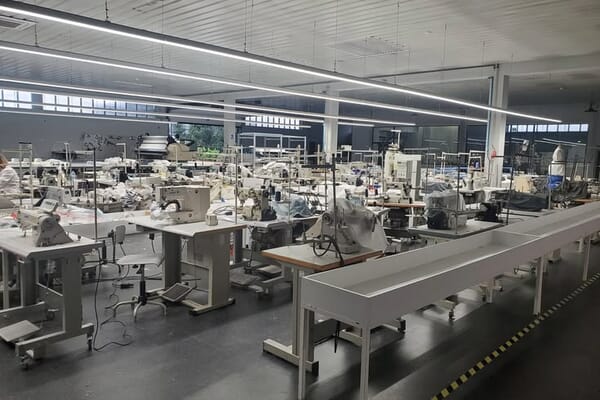
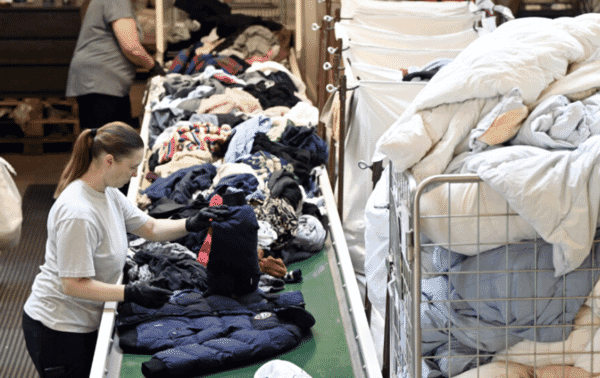
We place OEKO-TEX-required orders with Portuguese partner factories that hold a Standard 100 certificate covering your article, and our team manages the order through to delivery. Certificates are held in the partner factory’s name; PCF itself is not certified. Minimums start from 50–100 pieces per style and colour.
Directory: one-time €49, instant access.
13 of 80 documented makers publish OEKO-TEX

Garments where your buyer or retailer asks for a harmful-substance test, from jersey basics to skin-contact pieces.
Rib knit top
Cotton jersey
Knit fabricJersey basics for brands whose buyer asks for a Standard 100 label.
Skin-contact pieces; our underwear page lists OEKO-TEX 100 as common for them.
Knit polos and sweaters; our knitwear page lists OEKO-TEX and GOTS.
Fleece and terry where the dyes and trims are tested too.
Threads, labels, buttons, zips and prints count: every component must be within the limits.
Class I for babies, II for skin contact, III for little or no skin contact, IV for decoration materials.
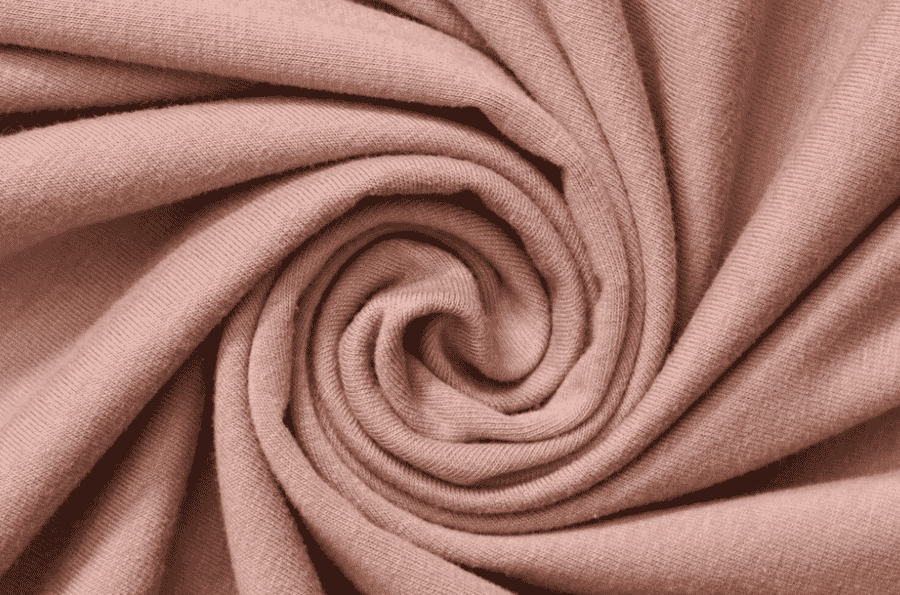
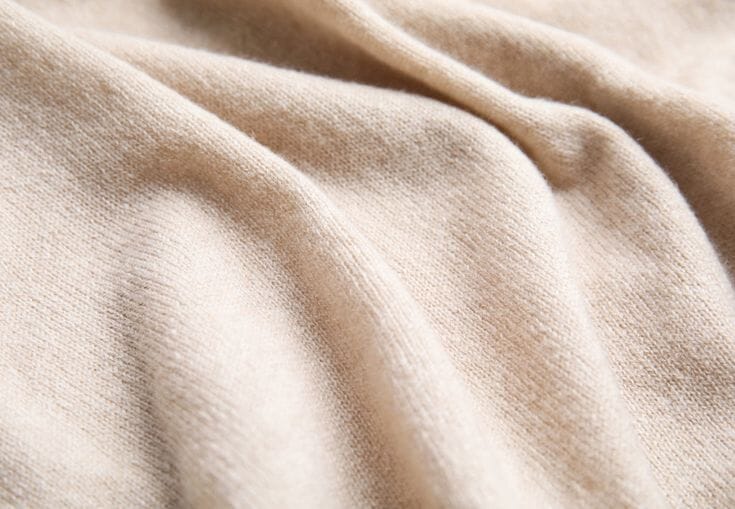
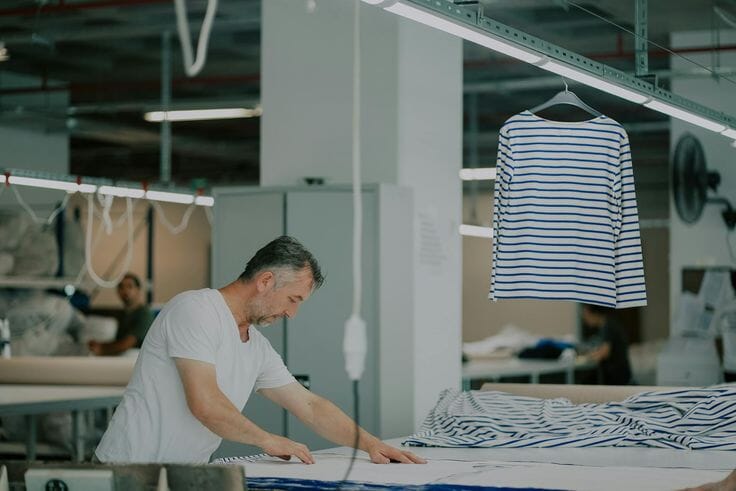
Photos show materials in general, not certified goods from a specific factory.
Planning costs per piece: t-shirt €6–11, hoodie €14–24. If the partner’s certificate does not yet cover your article, any testing cost and time come in writing with your quote.
Costs are the base ranges from our free cost calculator: per piece, ex-factory, excluding VAT, at 300–500 units with mid-range fabric and standard complexity. Your tech pack sets the final quote. Maker count: PCF’s documented set of 80 Portuguese makers, checked October 2026. It counts what each maker publishes; it is not a list of our partners, and not every partner holds every certificate.
OEKO-TEX Standard 100 is a lab test of the finished article and every component against a list of harmful substances. It is the certificate behind a “tested for harmful substances” claim.
How to brief an OEKO-TEX order
We documented 80 Portuguese clothing makers in October 2026 and recorded the certifications each one publishes. Counts only: what matters for your order is the current certificate of the partner that makes it.
Want to contact factories yourself?
The Factory Directory lists 80+ documented factories with town, specialty, minimum where published, certification and a direct contact.
Directory: one-time payment. Instant access.
11 in Braga district, 2 in Porto district.
3 more state OEKO-TEX without naming the standard.
Site certification for chemical, environmental and social management.
Publish both certificates.
Source: PCF’s documented set of 80 Portuguese makers, checked October 2026. It counts what each maker publishes; it is not a list of our partners, and not every partner holds every certificate.
Product, quantities and the product class you need. Free, reply within 24 hours.

Fabric, trims, threads and print go in the tech pack, so every component can be checked. No tech pack? Ours costs €79, ready in 3–5 working days.
We place your brief with a partner factory whose certificate covers your article and class, and our team manages it from sample to delivery. Our fee is quoted in writing before any work starts, and it never depends on order size.

Ask for the certificate, check the label number and product class on the OEKO-TEX website, then approve the sample.

Around 5 to 7 weeks for jersey and fleece. The partner factory invoices samples and production; the certificate must still be valid on your ship date.
Tech pack: 3–5 working days, 2–3 revision rounds.
See example production runsFree guides from our blog on OEKO-TEX and the other certificates.
All guidesClasses, testing and how to read a label.
Which label covers fibre, which covers chemicals.
Fabrics for the pieces worn closest to the skin.
The EU rules behind product claims.
What brands ask before an OEKO-TEX order in Portugal.
Your question isn’t here?
Send your brief. Our team in Porto replies within 24 hours, no sales pipeline.
Directory: one-time payment. Instant access.
No. OEKO-TEX certificates are held in the partner factory’s or mill’s name and cover specific articles. We place OEKO-TEX-required orders with partners who hold a certificate for your article, and you can check the label number on the OEKO-TEX website.
Class I for babies and toddlers, class II for anything worn against the skin such as t-shirts and underwear, class III for items with little or no skin contact such as jackets, class IV for decoration materials.
Not on its own. A fabric certificate covers the fabric; to label the finished garment, the certificate has to cover the finished article with all its components. Tell us which claim you want to print and we brief it that way.
From 50–100 pieces per style and colour, agreed case by case with the partner factory. Sizes can mix inside a colour; colours count separately.
If the partner’s certificate already covers your article, production runs in the normal window, 5 to 7 weeks for jersey. If it needs extending to your article, testing cost and time come in writing with your quote.
OEKO-TEX for a harmful-substance claim, GOTS for an organic claim; many brands ask for both. Our comparison guide explains the difference.
Pick what you make and your quantity. Name the certificate you need on the next step, and we reply within 24 hours.