Small batch clothing manufacturer · Made in Portugal

Low MOQ clothing manufacturer in Portugal, from 100 units

You don’t need 1,000 pieces to produce in Europe. Factories in our group take small runs from 100 units per style, and the factory bills you directly. This page shows what low MOQ really means, which products start lowest and what a small batch costs per piece.

  • Free brief
  • Reply within 24h
  • No commissions: the factory bills you directly

Directory: one-time €39, instant download.
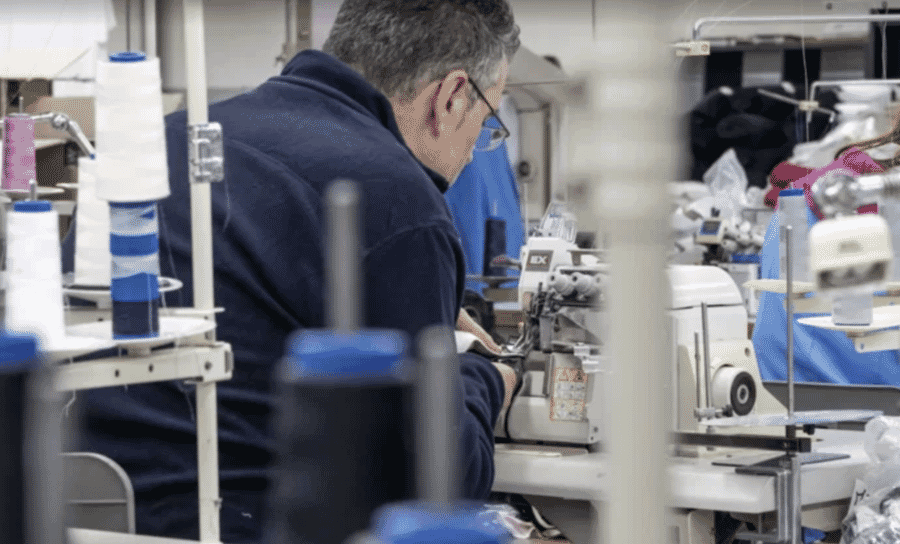
Operator sewing on an industrial machine

From 100 units per style · sample first
The short answer

What low MOQ really means in Portugal

MOQ is the minimum order quantity a factory accepts. In Portugal, low means 100 units per style, not 10 or 25. Here is what that floor includes and where it moves.

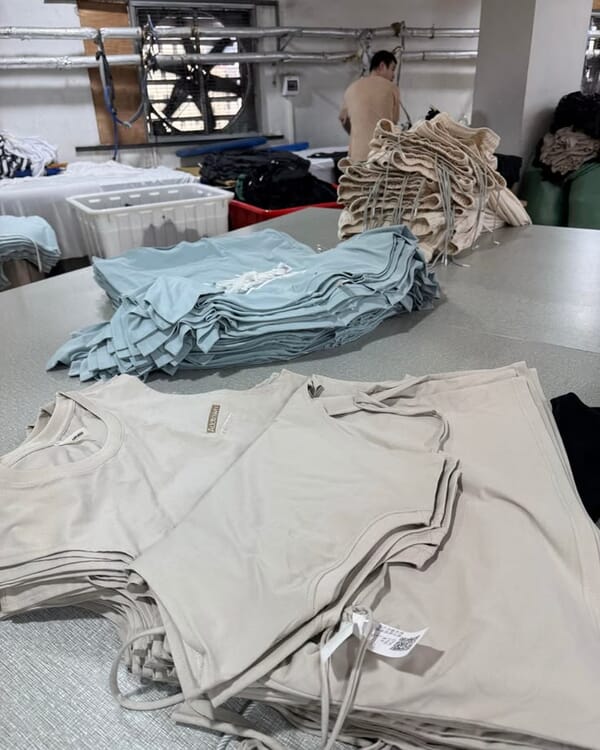
  • Folded T-shirts in two colors on a tableFolded T-shirts after production
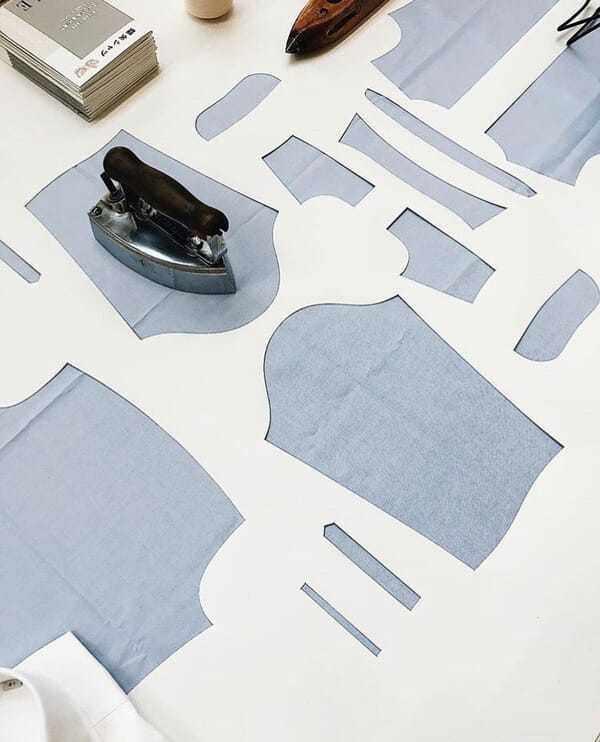
  • Cut pattern pieces laid out on a white tableCut pattern pieces for a small run
  • Pile of colorful buttonsButtons and trims
  • 100 units per style is the floor

    Most factories in our directory start at 100 units per style and go up to 300. Nobody in our group starts below 100.

  • Per style, not per order

    The minimum applies to each style. Three styles at 100 units each is a 300-piece order that every factory in the group can take.

  • Per colorway in knitwear

    Knitwear counts 100 units per colorway, so a sweater in three colours is 300 pieces. Plan colours before you plan styles.

  • Some families start higher

    Denim and tailoring start at 150 units, activewear at 200. The table below lists every product family.

  • Factories set their own tiers

    The Factory Directory tags each factory by MOQ tier and marks the startup-friendly ones, so you can skip the ones that won’t fit.

  • Below 100 is a different model

    Under 100 pieces you are usually looking at small-batch producers or print-on-demand, with different margins. We tell you honestly if that fits better.

Not sure your quantities clear the minimum? Send the brief anyway: we reply within 24 hours with a straight answer.

The cost trade-off

What a small batch costs per piece

Smaller runs cost more per piece: setup, cutting and sampling are spread over fewer units. Our cost calculator prices that with a quantity multiplier. Here it is applied to a basic t-shirt.

  • Sampling run50–100×1.55€9.30–17.05per t-shirt
  • Small batch100–300×1.20€7.20–13.20per t-shirt
  • Standard300–500×1.00€6–11per t-shirt
  • Volume500–1,000×0.88€5.28–9.68per t-shirt
  • Bulk1,000+×0.78€4.68–8.58per t-shirt

T-shirt base €6–11 per piece ex-factory, mid fabric, standard complexity, excluding VAT, from our free cost calculator. Production in our group starts at 100 units; the 50–100 tier is how the calculator prices a sampling-sized run. Your tech pack sets the final quote.

Minimums by product

Which product families start lowest

Sorted from the lowest minimum up. Costs are the calculator base ranges at 300–500 units; add about 20% for a 100–300 unit run.

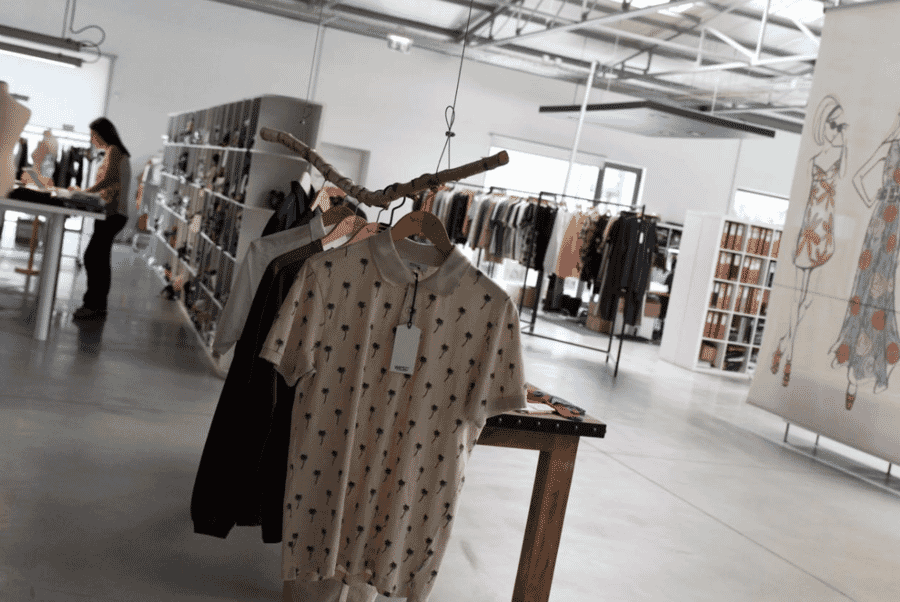
Showroom with finished samples on rails
Showroom rail with finished samples
Product familyMinimumProduction timeCost per pieceDetails
T-shirts & polos100 units per style5 to 7 weeksT-shirt €6–11, polo €9–15T-shirt manufacturer
Hoodies & sweatshirts100 units per style5 to 7 weeksHoodie €14–24, sweatshirt €12–20Hoodie manufacturer
Knitwear100 units per colorway5 to 7 weeksKnit polo €9–15Knitwear manufacturer
Wovens & dresses100 units per style6 to 8 weeksDress €18–38, shirt €15–28Wovens & dresses
Outerwear & jackets100 units per style8 to 10 weeksJacket €35–75Outerwear manufacturer
Denim150 units per style8 to 10 weeksJeans €22–40Denim manufacturer
Tailoring150 units per style8 to 10 weeksTrousers €18–32Tailoring manufacturer
Activewear & sportswear200 units per style7 to 9 weeks€12–24Activewear manufacturer

Swipe the table sideways to see every column.

Highlighted rows start at the 100-unit floor. Production time follows a sample round of 2 to 3 weeks. Costs: per piece, ex-factory, excluding VAT, mid-range fabric and standard complexity.

Directory: one-time payment, instant download.

Small-run playbook

How to get a small run accepted

Factories say yes to small brands that look ready to produce. These six moves make a 100 to 300 unit order easy to accept.

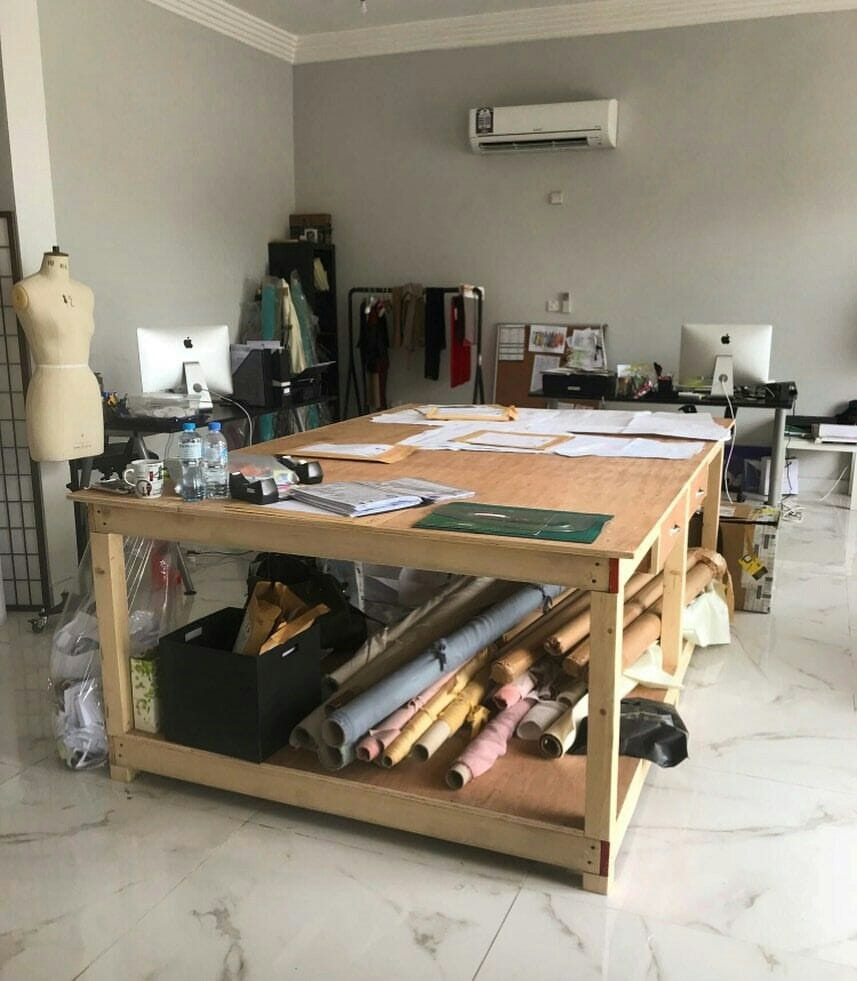
Sample room with a large cutting table, patterns and a dress form
Pattern and cutting table in a sample room
  1. Arrive with a tech pack

    Factories take you more seriously with one, and quotes come back sharper. No tech pack? Ours costs €79, ready in 3–5 working days with 2–3 revision rounds.

  2. Keep the range tight

    Fewer styles and colours let each one reach its minimum. In knitwear every colorway counts on its own.

  3. Use fabric the mill already makes

    Custom-dyed or custom-knit fabric brings its own minimum. Standard qualities and colours keep a small run small.

  4. Say your quantity and target price

    A clear number per style and a target unit cost let the factory check fit before anyone spends time on samples.

  5. Be flexible on dates

    Factories run several clients at once, so your place in the queue matters. A little room on the ship date helps a small order fit in.

  6. Show the reorder

    Tell the factory what happens if the first drop sells. A planned repeat order makes a 100-unit test run worth their setup time.

Sample to bulk

From first sample to your first 100 units

  1. Send your brief

    Product, quantity per style, fabric and target price. Free, and we reply within 24 hours.

  2. Designer sketching technical flats in a notebook

    Lock the tech pack

    Measurements, materials and trims in one factory-ready document. Ours is €79, ready in 3–5 working days.

  3. Empty sewing floor with machines and a conveyor

    Matched to a small-run factory

    We route your brief to a factory in our group that takes your quantity. Our fee is quoted in writing before any work starts, and it never depends on order size.

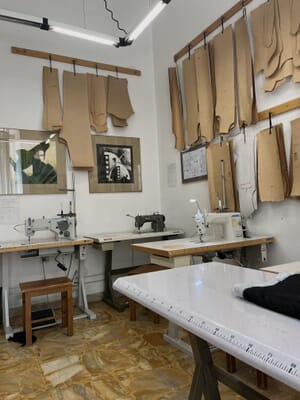
  4. Card patterns hanging on the wall above a sample room cutting table

    Sample and approve

    A sample round usually takes 2 to 3 weeks. Wear it, wash it and fix the fit now, while changes are cheap.

  5. Large sewing floor with rows of operators at their machines

    Produce, then reorder

    Production takes 5 to 10 weeks depending on the product. The factory bills you directly; reorders reuse the approved sample and spec.

Tech pack: 3–5 working days, 2–3 revision rounds.

See example production runs
Guides

Small-batch guides to read first

Free guides from our blog on minimums, first runs and what a small launch really costs.

All guides
FAQ

Low MOQ & small batch questions

What brands ask before a first small run in Portugal.

Your question isn’t here?

Send your brief. A real person in Porto replies within 24 hours, no sales pipeline.

Directory: one-time payment. Instant download.

Free brief · Step 1 of 5

What are you making?

Tick your product and a quantity from 100 units. It takes two minutes, and a real person replies within 24 hours.

Product (pick all that apply)
Units per style (optional)

Free brief · Reply within 24h · No commissions