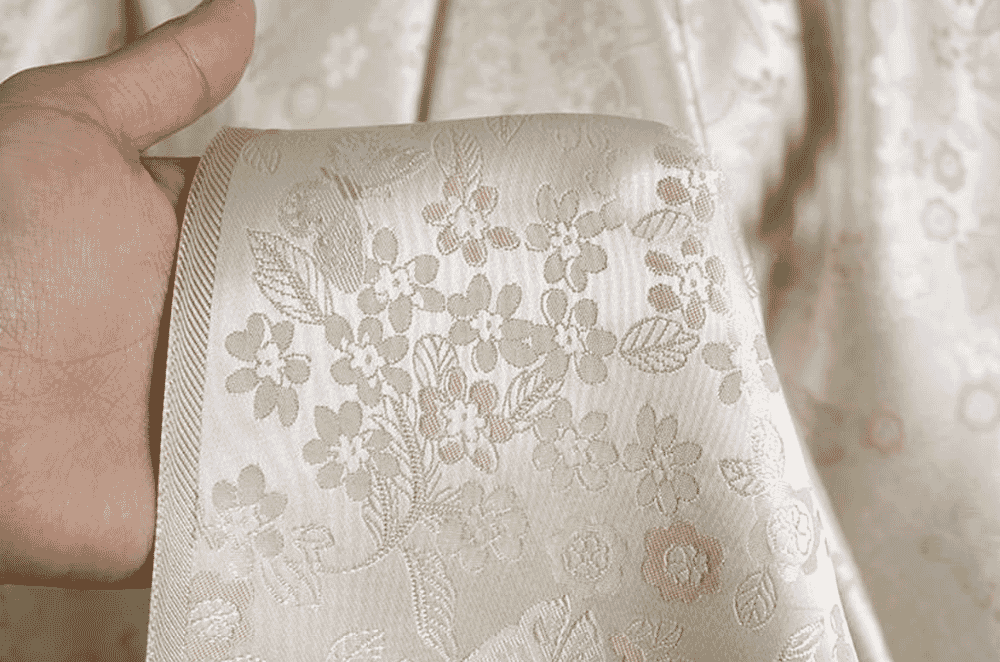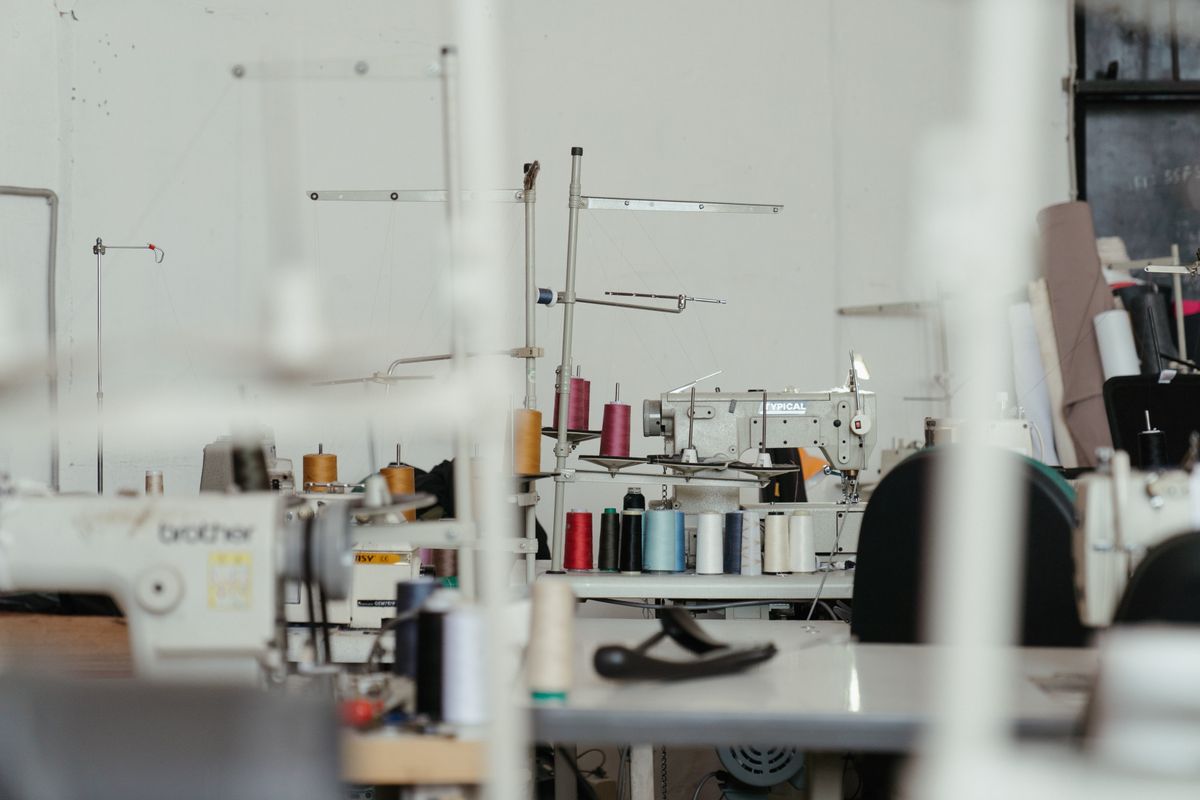
Brands look at Portugal clothing production for a specific reason: they want well-made garments in quantities a growing label can sell, delivered into Europe in days rather than weeks at sea. Portugal can be the right answer to that. It can also be the wrong one, and it is cheaper to find out before the first sample.
This guide is a fit check. It covers what Portuguese factories do well, where they are not the right choice, how minimums and timing work, and the first steps if Portugal fits. For the industry figures, see the Portuguese textile industry in numbers; for the regions, see our guide to the textile cluster.
Heads up: We're Portugal Clothing Factory. Our team places and manages clothing production with partner factories in northern Portugal, from 100 units per style. We have a stake in this topic, so the guide also says plainly when Portugal is not the right choice.
Key Takeaways
- Portugal fits moderate quantities of well-made product, especially knit and jersey, sold in Europe.
- It does not fit lowest-price, very-high-volume programmes; labour costs more than in Asia.
- Ask for minimums per style and per colourway: fabric and dyeing often set the real floor.
- Plan the calendar backwards from delivery, around the August holidays, and allow longer for a first order than a reorder.
Try it free: Model your landed cost from Portugal in the garment cost calculator. 60 seconds, no email required.
Why Do Brands Choose Portugal for Clothing Production?
Price is rarely the reason. The sector is large and export-led: Portuguese exports of textiles and clothing were 5,499 million euros in 2025, 0.8% lower than in 2024, according to figures reported by RTP/Lusa. Brands that choose Portugal usually do it for four things.
Proximity. For brands selling in Europe, goods travel by road from northern Portugal rather than by sea from Asia. That shortens the gap between a reorder and stock on the shelf, and makes it possible to react to a sell-out within a season.
Moderate minimums. Many Portuguese factories are small and medium-sized and accept runs in the hundreds per style. In our group, production starts from 100 units per style. Our guide to minimum orders in Portugal explains how fabric and colour minimums sit on top of that.
Production inside the EU. For EU brands there is no customs border between the factory and the warehouse, and the factory works to the same EU chemical and labelling rules you sell under.
Knit know-how. The north of Portugal has a long history in knitwear and jersey, with spinning, knitting, dyeing and finishing close together. That keeps fabric development and sampling local.
Citation Capsule Portugal suits brands that need moderate quantities of well-made clothing, especially knit and jersey, delivered into Europe by road rather than by sea. Portuguese exports of textiles and clothing were 5,499 million euros in 2025, 0.8% lower than in 2024 (RTP/Lusa). The case for Portugal rests on proximity, moderate minimums and EU production, not on the lowest unit price.
What Does Portugal Make Well?
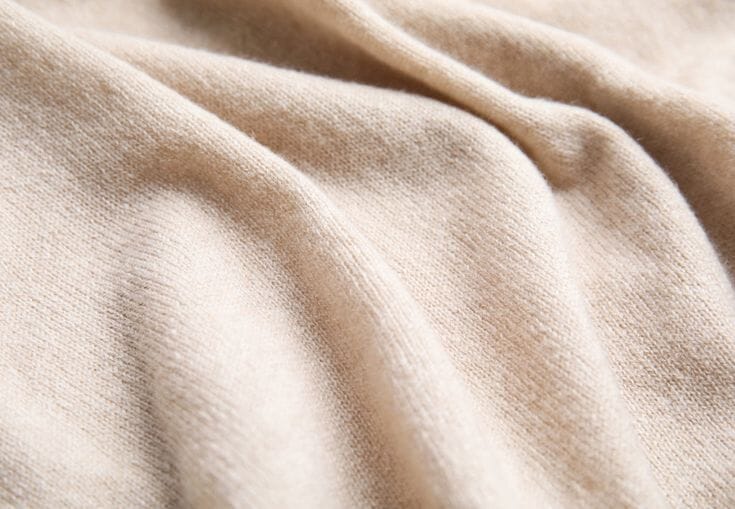
Knit, first of all. The northern cluster is best known for jersey and circular-knit products (t-shirts, sweatshirts, hoodies, polos) and for knitwear, along with children's clothing and finishing such as dyeing, washing and printing. If your range is built on those products, you will find real depth.

Wovens are made too, from shirts to outerwear and tailoring, and the Beira Interior around Covilhã has a long history in wool. The pool of specialists is smaller than for knit, so check capacity and the sampling slot early if your range is mostly woven, denim or tailoring.
| Your product | How Portugal usually fits | What to check first |
|---|---|---|
| Jersey basics, sweatshirts, hoodies | Strong fit | Fabric weight, shrinkage and colour minimums |
| Knitwear | Strong fit | Yarn minimums and the knitting slot |
| Kidswear | Good fit | Safety rules for children's clothing and certificates |
| Shirts, outerwear, tailoring | Possible, fewer specialists | Capacity, sampling slot and trims |
| Denim at volume | Possible, small pool | Wash capability and capacity |
| Lowest-price basics at very high volume | Usually not the right fit | Whether price is the only criterion |
General guide based on the product types the northern Portuguese cluster is known for. Capacity varies by factory and season.
Where Is Portugal Not the Right Choice?
Being clear about this saves everyone a season.
- Rock-bottom pricing. Portuguese labour costs more than Asian labour. If your product competes purely on unit price, Portugal is the wrong answer.
- Very high volume per style. Many factories are small and medium-sized. Programmes in the hundreds of thousands of units per style are usually better served elsewhere.
- Deep woven, denim or tailoring programmes. These are made in Portugal, but by fewer specialists, so capacity is the constraint.
- Production through August. Many factories close for part of August for summer holidays, and the weeks before are busy. Plan around it.
If price per unit is the deciding factor, read our Portugal, China and Turkey comparison before you brief anyone.
How Do Minimums, Cost and Timing Work in Portugal?
Minimums
Ask for the minimum per style and per colourway, not a single figure. Sewing capacity is rarely what sets the floor; fabric rolls, dye lots and print set-ups usually are. A style in four colours can need more pieces than a style in one.
Cost
Always confirm the quote basis. CMT covers cut, make and trim, with you supplying the fabric. A full-package or FOB quote includes the fabric. Comparing a Portuguese full-package quote with an Asian CMT quote is the most direct way to reach the wrong conclusion about Portugal. Our guides to CMT vs full package and clothing manufacturing costs in Portugal go into the detail.
Then compare like with like: freight, duty for your market, the cash tied up while goods are in transit, and the cost of a quality problem found after delivery.
Timing
A first order takes longer than a reorder, because pattern work, sampling and fabric sourcing come before bulk. Reorders of an approved style skip most of that. Our guide to production lead times in Portugal breaks the stages down.
Need a tech pack? Portuguese factories quote from specifications. Get a factory-ready single-style tech pack for €79. See what's included.
How Should You Plan Around the Portuguese Calendar?
- August: many factories close for part of the month for summer holidays, and the weeks before are congested as orders are cleared.
- Christmas and New Year: a shorter break; ask each factory for its dates.
- Season booking: slots fill as European brands place autumn/winter and spring/summer orders, so a brief sent late is quoted a later slot.
Work backwards from the date the goods must be in your warehouse: transit, bulk production, pre-production sample, fit samples, fabric. If that chain crosses August, move the plan, do not hope to negotiate it.
How Do You Check a Portuguese Factory Before You Commit?
- Specialism, not breadth. A factory that claims every category is likely to subcontract much of it. Ask which operations happen in-house.
- Minimums per style and per colourway, in writing.
- Disclosed subcontracting. Dyeing, printing, embroidery and washing are often done by specialist partners. That is normal when it is disclosed.
- Certificates by number. Check OEKO-TEX certificates in the OEKO-TEX Label Check and GOTS certification in the GOTS certified suppliers database, rather than trusting a logo.
- A physical sample of comparable product. Not a photograph: seam quality and fabric hand are things you feel.
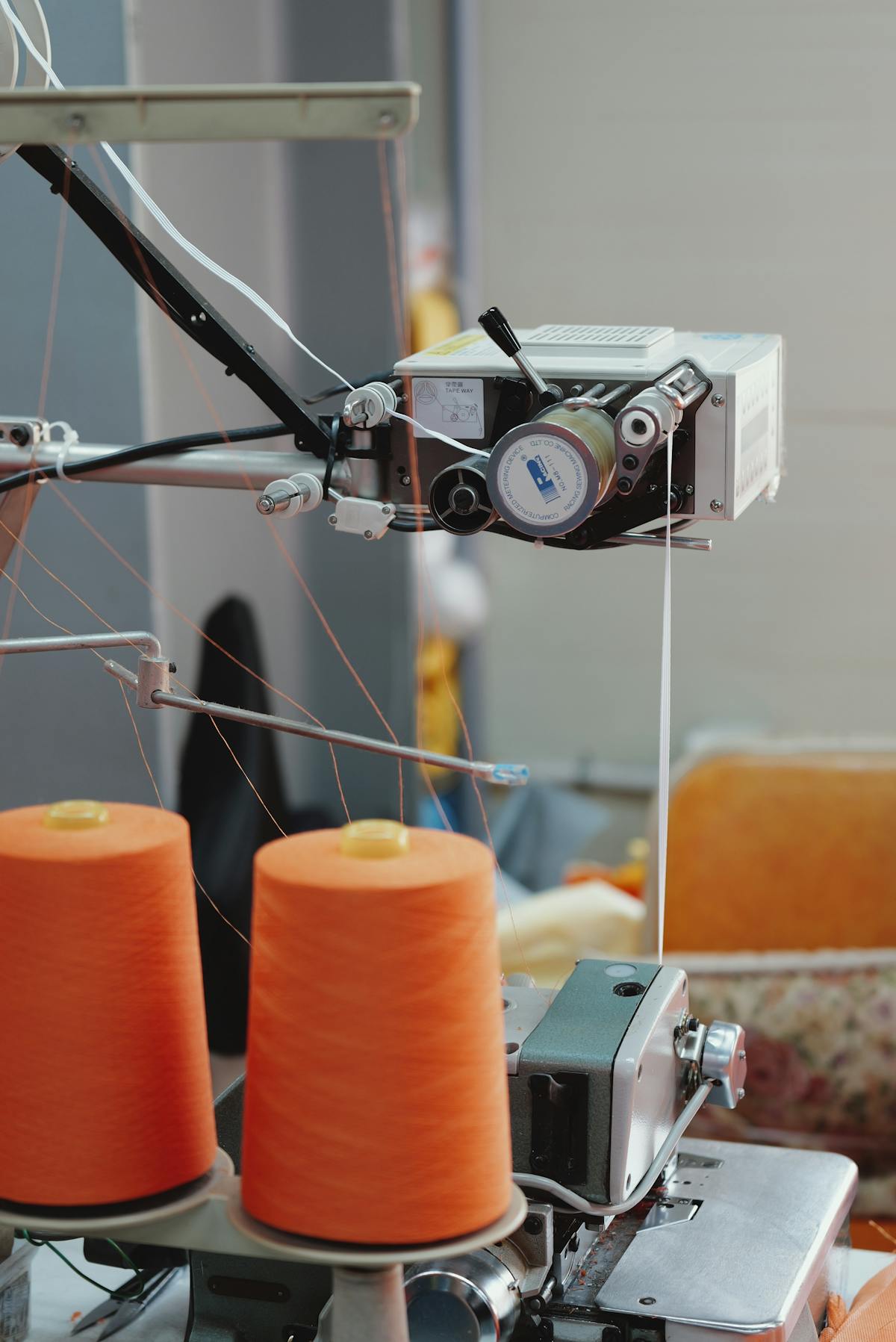
Our list of red flags when choosing a manufacturer in Portugal covers the warning signs in more detail. If you can, visit: factories in the north are close together, so several can be seen in one trip.
How Do You Start Producing in Portugal?
- Define the product. Composition, weight in GSM, construction, measurements per size and trims. Without this, no quote holds.
- Filter by construction. Knit or woven first, then garment type. That turns a long list into a short one.
- Ask for a sample of comparable product, then order your own sample before bulk.
- Start smaller than you want to. A first run at the minimum tests the product and the factory without concentrating risk.
Expect questions back. A serious factory asks about tolerances, trims, finishing and whether you have a pattern. An instant quote with no questions usually means assumptions have been priced in. English is standard for written specifications and commercial contact. The full sequence is in our step-by-step guide to textile production in Portugal.
Conclusion: Is Portugal Right for Your Brand?
Portugal fits brands that need moderate quantities of well-made product, especially knit and jersey, delivered into Europe quickly and made inside the EU. It does not fit brands competing purely on unit price at very high volume, or ranges built mainly on deep woven or denim capacity.
If your product is knit, your quantities are in the hundreds per style, and your market is European, the answer is probably yes. Plan the calendar backwards, compare quotes on the same basis, and check every claim before the first order.
Producing in Portugal? Tell us what you are making and how many. Our team replies within 24 hours and, if it is a fit, places and manages your production with the partner factory built for it. Get in contact.
Frequently Asked Questions
Is Portugal a good place to manufacture clothing?
For many brands, yes: Portugal suits moderate quantities of well-made product, especially knit and jersey, delivered into Europe by road rather than by sea, with production inside the EU. It is not the right choice if your product competes mainly on the lowest unit price at very high volume.
How big is Portugal's textile and clothing industry?
Portuguese exports of textiles and clothing were 5,499 million euros in 2025, 0.8% lower than in 2024, according to figures reported by RTP/Lusa in February 2026.
What is the minimum order for clothing production in Portugal?
It depends on the factory, the fabric and the trims. In our group, production starts from 100 units per style. Fabric, dyeing and printing can carry their own minimums per colour, so ask for the minimum per style and per colourway, not a single total.
What does Portugal manufacture best?
The north of Portugal is best known for knitwear, jersey and circular-knit products such as t-shirts, sweatshirts and hoodies, with spinning, knitting, dyeing and finishing close together. Wovens, tailoring and denim are made too, but by a smaller pool of specialists, so check capacity early.
Is Portugal cheaper than Asia for clothing production?
Not on unit price. Portugal competes on shorter transit into Europe, lower minimums and EU production. Compare quotes on the same basis: a full-package (FOB) quote includes fabric, while a CMT quote covers cut, make and trim only.
When should I avoid planning production in Portugal?
Plan around August, when many Portuguese factories close for summer holidays and the weeks before are busy, and around the Christmas break. A first order also takes longer than a reorder because of pattern work, sampling and fabric.
We work with 80+ documented Portuguese clothing factories in the northern textile cluster. Tell us your product, volume, and timeline; our team replies within 24 hours. If it is a fit, we place and manage your production with the partner factory in our group built for it. Fee quoted in writing, no commissions.
Get in contact Download the directory (€49)Need a tech pack? Get a factory-ready single-style tech pack for €79. See what's included.
Sources used in this article
- RTP/Lusa, "Exportações do têxtil e vestuário caem 0,8% para 5.499 ME em 2025" (11 Feb 2026): 2025 textile and clothing exports.
- OEKO-TEX Label Check: public check of OEKO-TEX certificate numbers.
- GOTS certified suppliers database: public list of GOTS-certified companies.
Portugal Clothing Factory is a group of documented Portuguese clothing factories in the northern textile cluster (Porto, Guimarães, Braga, Barcelos, Famalicão). We quote our fee in writing, reply within 24 hours, and place and manage production with the factory in our group built for your product. See how we work or get in contact.