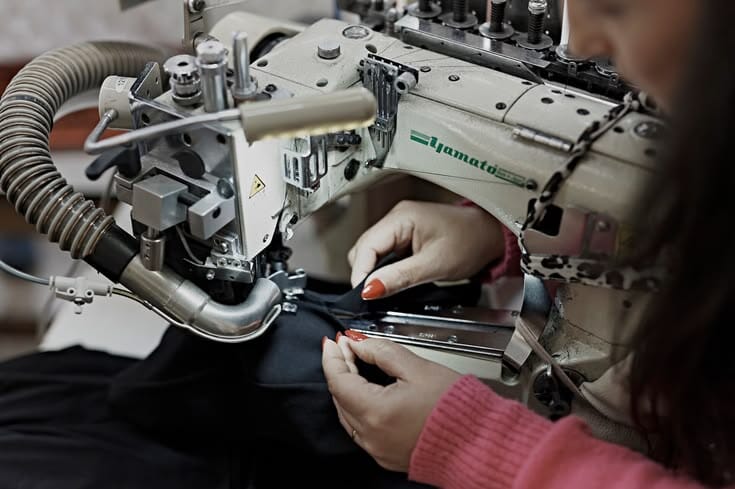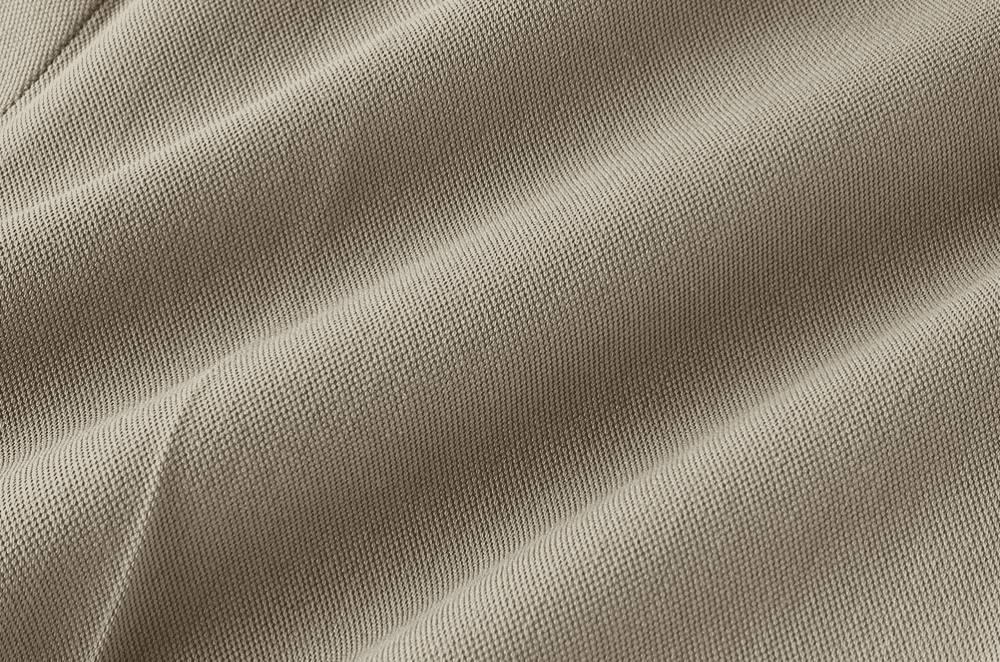
Poplin is one of the oldest continuously produced shirting fabrics in Europe, and today it sits behind roughly 34% of dress-shirt output across EU mills in 2025 (EURATEX, 2025). It's the fabric of the crisp business shirt, the summer blouse, the poplin dress, and half the button-ups in any given menswear collection. If you're launching a shirt brand, poplin is the first fabric you'll spec, and probably the first you'll get confused about. For a broader look at the man-made cellulosics that complement cotton poplin in blouses and dresses, see our modal fabric guide and viscose fabric guide.
This guide covers what poplin fabric actually is, where it came from, how the plain weave works, which yarn counts you'll see quoted, real EUR pricing per meter at Portuguese mills, MOQ patterns, and how our factory group produces it. Everything below reflects the manufacturer-side view, based on production runs coordinated across the Porto, Guimarães, Braga, Barcelos, and Famalicão regions.
Heads up: We're Portugal Clothing Factory, a group of Portuguese garment factories in the northern textile cluster. We've documented 80 factories across the region and verified 25 active producers, so the observations in this article come from that research and from production runs placed across the group between 2024 and 2026.
Key Takeaways
- Poplin is a fine plain-weave fabric with a subtle horizontal rib, originally silk from 12th-century Avignon, now almost always cotton
- Yarn counts run from 60s/2 (mid-tier) to 140s/2 (luxury), with higher counts producing finer, smoother, more expensive shirting
- Portuguese cotton poplin costs €7-16/m for standard tiers; Egyptian and luxury 100s+ can reach €28-45/m
- Roughly 28% of PCF factory group works with poplin, primarily for dress shirts, blouses, and shirt-dresses
- MOQ typically 100-500 units per style, standard lead time 6-9 weeks in Portugal
Try it free: Pressure-test your poplin shirt production cost with our garment cost calculator. 60 seconds, no email required.
What Is Poplin Fabric?
Poplin is a fine plain-weave fabric characterised by a smooth face and a subtle horizontal rib, produced with a fine warp yarn and a slightly heavier weft. In 2025, poplin accounts for roughly 34% of EU dress-shirt fabric output, making it the single most-produced shirting construction across European mills (EURATEX, 2025).
The defining feature of poplin is that ribbed surface. It comes from the imbalance between warp and weft: many fine warp yarns interlace with fewer, thicker weft yarns. The result is a fabric that looks flat and crisp from a distance but reveals a faint cross-wise texture up close. That's the poplin fingerprint.
Within the woven-shirting family, poplin sits at the smooth, dressy end. It's finer than oxford, less rustic than chambray, and denser than voile. That combination is why it dominates formalwear shirting, blouses, and shirt-dresses. Nearly every Portuguese shirt factory can source it, and every shirting mill in Portugal stocks multiple weights.
Citation Capsule: Poplin fabric is a fine plain-weave textile with a smooth face and subtle horizontal rib, produced using fine warp yarns and slightly heavier weft yarns on shuttle or rapier looms. It accounts for roughly 34% of EU dress-shirt fabric production in 2025 and forms the base construction of dress shirts, blouses, and shirt-dresses (EURATEX, 2025).
Where the name comes from
Poplin (or "papelina" in Italian) traces back to Avignon in the 12th century, when the city was the papal seat and mills there wove a fine silk-and-wool fabric for ecclesiastical use. The name literally referenced the Pope's fabric. Over centuries, silk gave way to cotton, and by the Industrial Revolution poplin had become the standard fine cotton shirting of Europe. Portuguese mills usually call it "popeline" or "popelina" in production paperwork. Whatever the label, the core structure is identical: fine warp, heavier weft, tight plain weave, crisp hand.
What Is the Weave Structure of Poplin?
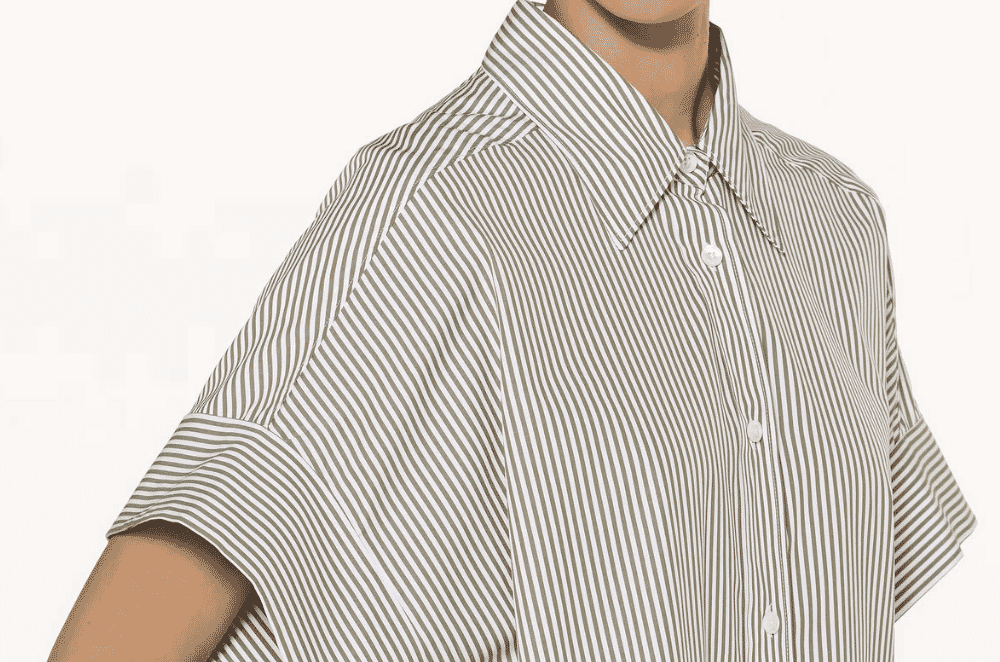
Poplin is built on the simplest weave in existence, the plain weave, but its distinctive character comes from yarn imbalance. Roughly 90% of EU shirting fabrics rely on plain weave as a base (CITEVE, 2024). The warp and weft cross alternately (over, under, over, under), producing a stable, tight, symmetric structure.
What separates poplin from other plain weaves is thread ratio. A typical poplin uses two to three times as many warp yarns per centimetre as weft yarns, and the weft yarn itself is slightly thicker. This creates the subtle horizontal rib and the characteristic crisp hand.
Warp and weft explained
The warp is the set of yarns running lengthwise along the loom. The weft (or filling) runs across. In poplin, a warp thread count of 120-180 per inch is standard, paired with a lower weft count of 60-90 per inch. That imbalance forces the weft yarn to sit slightly proud, producing the rib.
Thread count and what it means commercially
Thread count in poplin describes the total warp and weft threads per square inch. Standard shirting poplin sits around 140 TC. Premium poplin runs 200-300 TC. Luxury Egyptian and Sea Island cotton poplin can exceed 400 TC. Higher thread count means finer yarn, more density, smoother hand, and higher price. It also means better dye uptake and cleaner print definition.
OEKO-TEX baseline
Nearly every documented Portuguese poplin mill carries OEKO-TEX Standard 100 certification, the baseline chemical-safety certification for textiles. It's rarely an upcharge in 2026 because it's built into normal production. For deeper coverage of the OEKO-TEX product classes and how they apply to shirting versus intimate apparel, see our OEKO-TEX Standard 100 complete guide.
Citation Capsule: Poplin is a plain-weave fabric where warp thread count (120-180 per inch) typically runs 2-3x the weft count (60-90 per inch), creating the fabric's signature horizontal rib. Around 90% of EU shirting fabrics use plain weave as their base structure, with poplin being the dominant fine-shirting variant (CITEVE, 2024).
Poplin vs Oxford vs Chambray vs Twill: What's the Difference?
The four dominant shirting weaves differ in structure, weight, and finish. Poplin (fine plain weave) is smooth and dressy. Oxford (basket weave) is textured and casual. Chambray (plain weave with coloured warp) has a denim look. Twill (diagonal weave) is soft and durable. Together they cover roughly 82% of European woven shirt fabric produced in 2025 (EURATEX, 2025).
Choosing between them is the first fabric decision a shirt brand makes. A dress shirt in oxford reads casual. A summer blouse in twill drapes wrong. A workshirt in fine poplin looks flimsy.
| Attribute | Poplin | Oxford | Chambray | Twill | Broadcloth |
|---|---|---|---|---|---|
| Weave | Fine plain | Basket (2x1 or 2x2) | Plain (coloured warp) | Diagonal | Very fine plain |
| Face texture | Smooth, subtle rib | Textured, basket look | Denim-like heather | Diagonal wale | Ultra-smooth |
| Weight range | 90-140 GSM | 140-200 GSM | 130-180 GSM | 140-220 GSM | 100-140 GSM |
| Drape | Crisp, structured | Soft-medium | Soft | Softest, fluid | Crisp, silky |
| Best applications | Dress shirts, blouses, shirt-dresses | Casual button-ups, OCBD, workshirts | Summer shirts, workwear, dresses | Dressier casual, autumn shirts | Formalwear, tuxedo shirts |
| Cost per meter (Portugal, cotton) | €7-28 | €8-18 | €8-16 | €9-20 | €10-25 |
| Portuguese lead time | 6-9 weeks | 6-9 weeks | 6-9 weeks | 7-10 weeks | 7-10 weeks |
Sources: ATP fabric price survey (2025), PCF factory group quotes (2024-2026), industry mill references.
Poplin
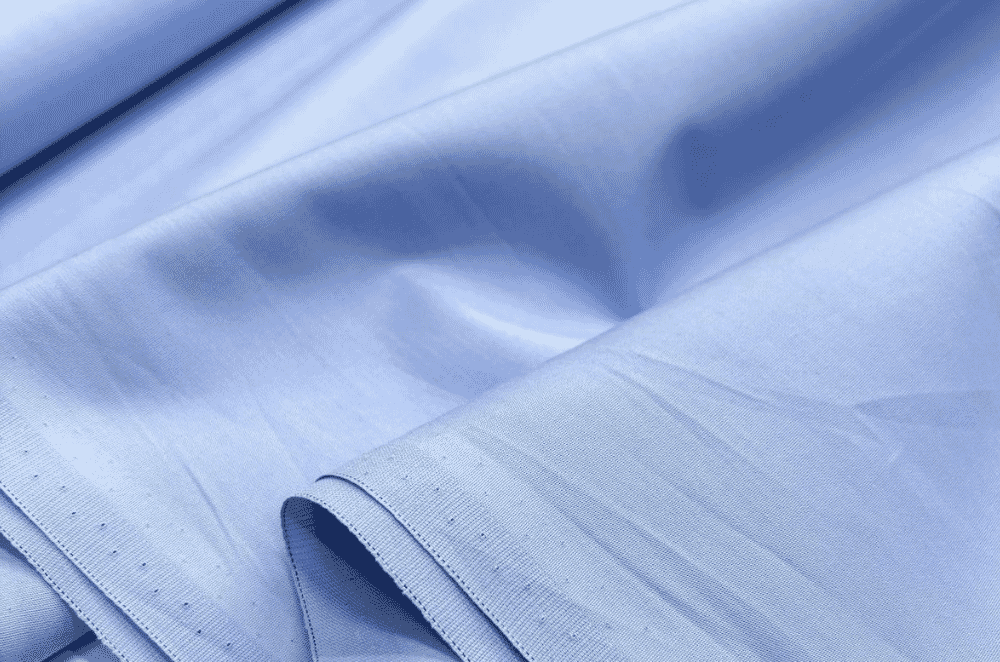
Poplin is the default fine shirting people mean when they say "dress shirt fabric". Fine plain weave, subtle rib, crisp hand. Prints and dyes cleanly. Best for anything meant to look sharp: formal shirts, business blouses, shirt-dresses, and lightweight summer button-ups.
Oxford
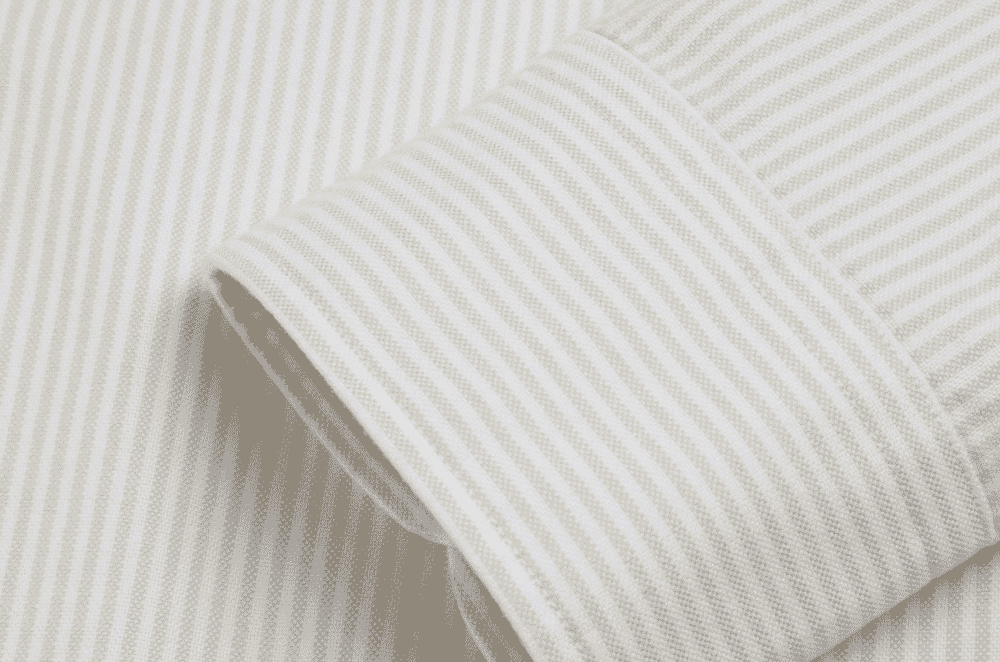
Oxford uses a basket weave (usually 2x1 or 2x2), producing a coarser, chunkier texture. Heavier than poplin at the same yarn count. Reads casual. The classic OCBD (oxford-cloth button-down) is the archetype. Softens over time.
Chambray
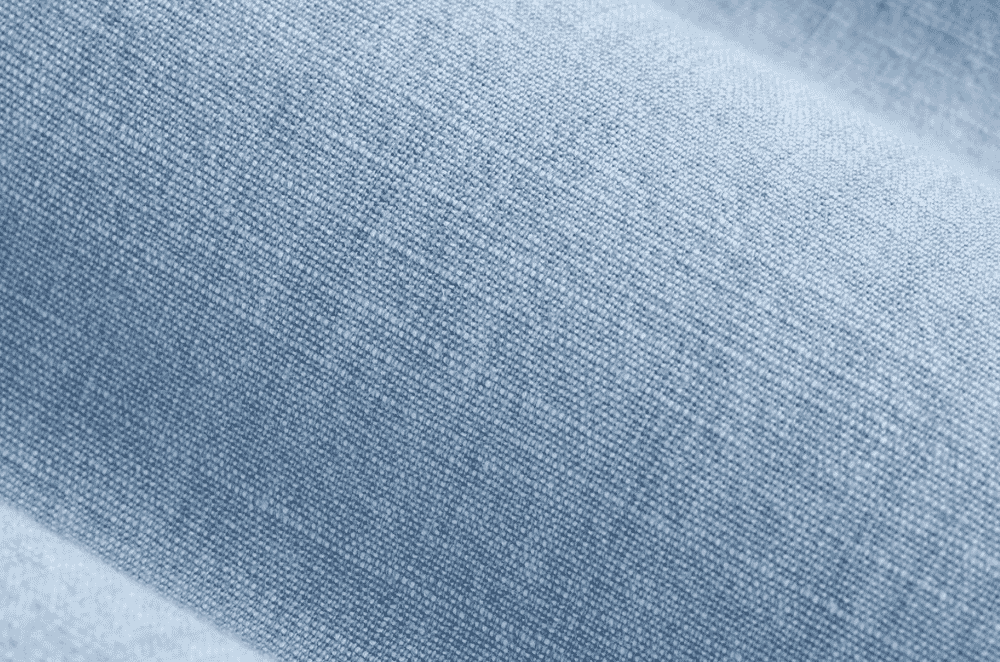
Chambray is a plain weave with a coloured warp (usually indigo or navy) and a white weft, producing a soft heathered look reminiscent of denim but much lighter. Used for workshirts, casual button-ups, and warm-weather dresses.
Twill
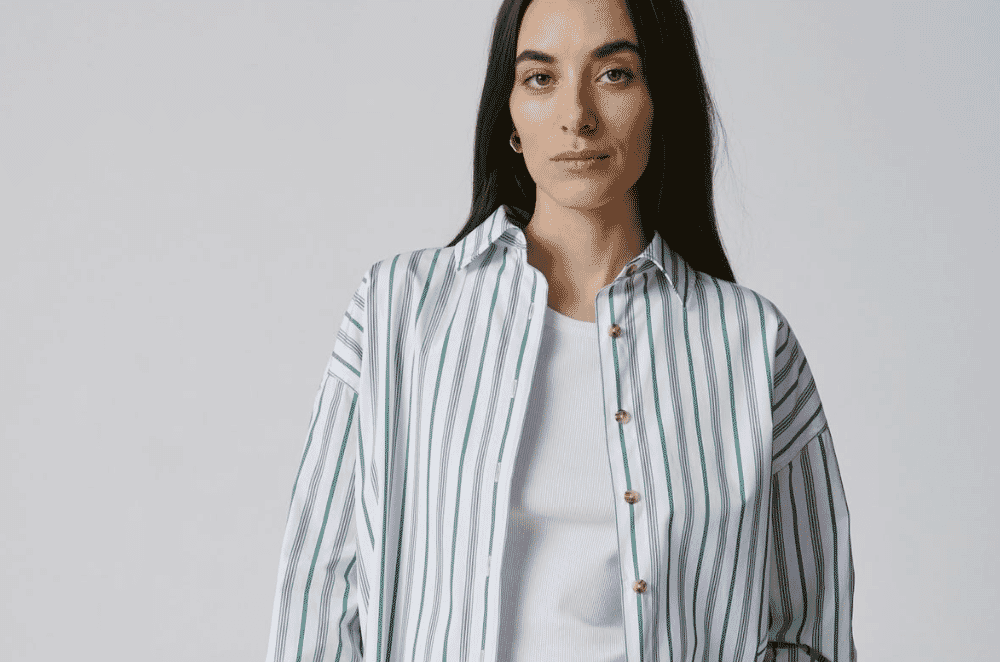
Twill uses a diagonal weave (typically 2x1 or 3x1), producing visible diagonal wales. Softer drape than poplin, more durable, warmer. Common in autumn/winter shirting and dressier casual shirts.
Citation Capsule: Poplin, oxford, chambray, and twill together account for roughly 82% of European woven shirt fabric production. Poplin uses a fine plain weave with a subtle rib (dress shirts, blouses), oxford uses a basket weave (casual button-ups), chambray uses a coloured warp (workshirts), and twill uses a diagonal weave (dressier casual) (EURATEX, 2025).
What Yarn Counts Are Available for Poplin?
Poplin yarn counts describe how fine the yarns are. Higher numbers mean finer yarns, tighter weaves, smoother hand, and higher price. Standard commercial poplin runs 60s/2 to 100s/2. Luxury poplin reaches 140s/2 and above. Roughly 68% of European poplin production sits in the 60s/2 to 100s/2 band (CITEVE, 2024), which is the sweet spot for most brands.
The "/2" notation means two-ply: two single yarns twisted together for strength and smoothness. Two-ply poplin is measurably more durable and pill-resistant than single-ply at the same nominal count.
60s/2 (mid-tier standard)
60s/2 is the workhorse commercial poplin. Common in high-street dress shirts, private-label button-ups, and mid-priced blouses. Prices sit at €7-11/m at Portuguese mills. Nearly every documented shirt factory in our group runs this count as a stock option.
80s/2 (premium)
80s/2 is the premium standard for brand shirt programmes. Finer, smoother, better hand, cleaner print. Prices run €10-16/m. This is where most emerging premium shirt brands land. Drape improves noticeably over 60s/2.
100s/2 (luxury entry)
100s/2 moves the fabric into luxury territory. The hand becomes silk-like, the surface polishes visually, and dye colours read deeper. Prices reach €14-28/m depending on cotton origin. Reserved for premium formalwear and bridal blouses.
140s/2 (ultra-luxury)
140s/2 and above is the domain of Egyptian, Sea Island, and Pima cotton. Extremely fine, extraordinarily smooth, expensive to weave (looms have to slow down). Prices push €30-45/m. Reserved for luxury formalwear brands with proper wholesale pricing.
Why yarn count matters for drape: finer yarns produce more supple drape because the fabric bends around finer axes. A 100s/2 poplin blouse falls closer to the body than a 60s/2 poplin blouse at identical GSM. That's not marketing, it's mechanics. If your brand positioning depends on drape (formalwear, women's blouses, shirt-dresses), yarn count matters more than composition.
What Garments Are Made with Poplin?
Poplin is the fabric behind most dress shirts, women's blouses, and shirt-dresses produced in Europe. Dress shirts alone account for roughly 47% of poplin fabric consumption in the EU in 2025, followed by blouses (22%), shirt-dresses (14%), and lightweight summer button-ups (EURATEX, 2025). It's difficult to open a formalwear wardrobe today without seeing multiple poplin garments.
Specific garment applications by yarn count and weight:
- Ultra-light poplin (80-100 GSM, 100s/2+): premium blouses, formal shirts, bridal shirting, tuxedo shirts
- Standard poplin (100-120 GSM, 80s/2): dress shirts, brand button-ups, shirt-dresses
- Mid-weight poplin (120-140 GSM, 60s/2): high-street dress shirts, workwear button-ups
- Poplin with elastane (95/5 or 97/3): fitted women's shirts, stretch dress shirts
Beyond shirts and blouses, poplin shows up in dresses (particularly shirt-dresses and casual midi silhouettes), summer skirts, lightweight suit linings, kids' formal shirting, and warm-weather uniforms. Some sportswear brands use technical poplin blends for lightweight warm-up jackets. For brands routing shirt-based capsule collections, see our custom clothing manufacturer route; for founders preparing a poplin shirt tech pack, our tech pack guide covers the 12 sections Portuguese factories expect.

Find your factory: Browse the free factory directory preview, or unlock the premium directory for €39 to see 80 documented Portuguese factories with poplin fabric capability flagged.
What Does Poplin Cost per Meter in Portugal?
Poplin fabric prices at Portuguese mills in 2026 range from €7/m for 60s/2 mid-tier cotton up to €45/m for Egyptian cotton at 140s/2. Yarn count, cotton origin, and certification are the three largest cost drivers, together explaining roughly 78% of price variance across Portuguese poplin suppliers (ATP, 2025).
Founders benefit from understanding these tiers early. Poplin fabric typically represents 35-45% of the total garment cost on a shirt, so a €3/m difference in fabric moves the ex-factory shirt price by €4.50-6 per unit at typical consumption of 1.5-2 meters per shirt.
Yarn count drives the base cost
60s/2 sits at the commercial floor. 80s/2 runs 30-50% higher. 100s/2 doubles the 60s/2 rate. 140s/2 and Egyptian cotton can run 3-4x the base. Each step up requires slower loom speeds and finer combed yarn, both of which compound cost.
Cotton origin adds a real premium
Standard EU-sourced or Turkish combed cotton is the baseline. Egyptian Giza cotton adds a 50-100% premium at the same yarn count. Supima (US Pima) sits in between. Origin certifications (Giza, Supima licensing) are increasingly required to charge the premium at wholesale.
Certifications add a measurable premium
OEKO-TEX Standard 100 is essentially baseline in Portuguese poplin production and rarely priced as an upcharge in 2026. GOTS (Global Organic Textile Standard) organic poplin adds €1-3/m over the same non-certified fabric. GRS (Global Recycled Standard) for recycled-content poplin adds €0.80-2/m. Both certifications require FSC chain-of-custody documentation for any wood-derived fibre content in blends.
Practical planning: for a standard men's dress shirt using 1.8 meters of 80s/2 cotton poplin at 110 GSM, the fabric cost lands at €18-29 per garment. Move to 100s/2 Egyptian and the same shirt fabric costs €33-55. That fabric-only difference is often what separates a €55 wholesale shirt from a €120 wholesale shirt.
Need a tech pack? Get a factory-ready single-style tech pack for €79. See what's included.
How Do Portuguese Factories Work with Poplin?
Portugal is one of Europe's largest producers of woven shirting, and poplin is the anchor fabric of that output. Portuguese textile companies (12,000 in total) exported €5.5 billion in 2025 according to ATP, and shirting represents a meaningful slice of that woven output (ATP, 2025). Roughly 28% of the factories in our documented group work with poplin regularly (dress shirts, blouses, shirt-dresses, formal uniforms).
Portuguese poplin production follows a specific sequence. Combed cotton yarn arrives at the mill, typically spun in Portugal, northern Spain, or Turkey. The mill weaves the fabric on rapier or air-jet looms at slow to medium speeds (finer yarns require slower loom speeds). Finishing includes singeing to remove surface fibres, mercerising for lustre and dye uptake, calendering for smoothness, and sanforising for shrinkage control. Finished fabric ships to a CMT factory for cutting and sewing.
Total lead time from order to shipped garments typically runs 6-9 weeks for standard cotton poplin, and 8-11 weeks for GOTS-certified organic or Egyptian cotton. The organic and premium-origin delta is almost entirely fabric booking, not sewing.
Where poplin sits in our group: roughly 28% of the documented factories in our group of 80 work with poplin regularly. That's a smaller share than jersey (nearly all factories) because poplin production concentrates in specialised shirt factories rather than general knit-to-woven producers. When we route poplin production, the shortlist is dedicated shirt houses in the Vale do Ave and Vale do Cavado clusters. MOQ patterns in our group typically sit at 100-500 units per style, with sample rounds of 2-3 iterations for clean tech packs.
Citation Capsule: Around 28% of documented factories in the PCF group work with poplin, primarily for dress shirts, blouses, shirt-dresses, and formal uniforms. Poplin production runs typically complete in 6-9 weeks for standard cotton and 8-11 weeks for GOTS-certified organic or Egyptian cotton, driven mainly by fabric booking cycles (ATP, 2025).
Talk to a real person: Get in contact and we'll tell you which 2 to 3 poplin fabric-capable factories in our group actually fit your brief.
Which Portuguese Mills Weave Poplin?
Roughly 11 mills in the northern Portuguese cluster weave shirting poplin at commercial volumes, concentrated in the Vale do Ave and Vale do Cavado corridors that supply the bulk of EU-sourced woven shirting (ATP, 2025). The names below appear on the majority of tech packs we route to shirt production in our group.
- Somelos (Guimarães): yarn-dyed shirting specialist, 60s/2 to 140s/2, strong on stripe and check programmes, GOTS + OEKO-TEX Standard 100
- Riopele (Famalicão): wovens converter with a poplin book at 80s/2 to 120s/2, bluesign + OEKO-TEX baseline, comfortable at 500-3,000 m minimums
- Lameirinho (Guimarães): finer shirting bias (100s/2+), Egyptian and Supima programmes with origin licensing, OEKO-TEX + GOTS
- Troficolor (Vizela): yarn-dyed shirting at commercial 60s/2, high stock rotation for private-label programmes
- Tintex (Vila Nova de Cerveira): GOTS organic wovens and viscose-cotton shirting blends, EU Ecolabel, small-batch capable at 300 m
- Coelima (Guimarães): home textiles primarily, but poplin bedding-adjacent programmes suit shirt-dress capsules
- Adalberto Estampados (Famalicão): poplin base + digital and rotary printing for statement blouses, Kornit reactive inks
- Impetus (Barcelos): knits primarily, but stocks poplin shirting for underwear-adjacent lines and coordinated sets
Cost at these mills follows a predictable volume curve. The table below shows EUR per meter at typical fabric minimums; below 100 m most mills route to broker stock and prices flip 20-30% higher.
| Yarn count | 100 m | 300 m | 500 m | 1,000 m |
|---|---|---|---|---|
| 60s/2 combed cotton | €10-13/m | €8-10/m | €7.50-9/m | €7-8/m |
| 80s/2 combed cotton | €13-17/m | €11-14/m | €10.50-13/m | €10-12/m |
| 100s/2 combed cotton | €18-24/m | €15-20/m | €14-18/m | €13-16/m |
| 100s/2 Giza Egyptian | €25-32/m | €22-28/m | €20-25/m | €18-22/m |
| 140s/2 Sea Island | €35-45/m | €32-40/m | €30-38/m | €28-35/m |
Certifications carried by these mills determine what the finished shirt can claim at retail. OEKO-TEX Standard 100 is baseline and rarely upcharged. GOTS organic adds €1-3/m and requires the full processing chain (spinning, weaving, dyeing, finishing) to be certified against the same standard. GRS covers recycled-content poplin programmes at €0.80-2/m over the base fabric. bluesign focuses on chemistry rather than fibre origin and is common on Riopele and Tintex bolts. Egyptian-cotton licensing from the Cotton Egypt Association is required to claim "Giza" on the hangtag legally.
Citation Capsule: Around 11 Portuguese mills weave commercial-volume poplin, concentrated in the Vale do Ave and Vale do Cavado. Somelos and Lameirinho anchor the finer 100s/2+ tier with Egyptian and Supima programmes; Riopele and Troficolor cover 60s/2 to 100s/2 volume runs; Tintex handles GOTS organic in small batches from 300 m. All carry OEKO-TEX Standard 100 as baseline, with GOTS adding €1-3/m and bluesign chemistry certification common across Riopele and Tintex (ATP, 2025).
Poplin Founder Mistakes and Decision Matrix
Around 62% of first-time shirt tech packs audited across the PCF factory group between 2024 and 2026 specced poplin incorrectly at the yarn-count, thread-count, or finish stage, according to our internal review. The mistakes below account for the top rejection reasons, and the decision matrix at the bottom is what we send founders before they lock a fabric.
The five most expensive poplin speccing mistakes
- Speccing "cotton poplin" with no yarn count. Factories default to the cheapest available stock (usually 40s/1 single-ply from Turkish or Pakistani mills), and the finished shirt reads as fast fashion. Cost impact: €4-8/m fabric gap and a downgraded brand read. Always specify yarn count and ply (60s/2, 80s/2, 100s/2).
- Missing mercerisation on the spec sheet. Unmercerised poplin looks flat, takes dye unevenly, and pills faster after 8-10 washes. Mercerisation costs €0.40-0.90/m at Portuguese mills and lifts drape, sheen, and colour depth measurably. Portuguese finishing lines run it by default when it's on the tech pack.
- Choosing shirting weight (90-110 GSM) for a bottomweight garment. Poplin trousers or shirt-dress bottoms need 130-160 GSM bottomweight poplin, or seams pull and the garment goes see-through under studio light. Bottomweight adds roughly €2-4/m and requires a heavier warp density.
- Ignoring thread count on top of yarn count. Yarn count sets fibre fineness; thread count (warp + weft per inch) sets density. A 100s/2 at 140 TC feels flimsy; the same 100s/2 at 200 TC feels premium. Luxury 100s+ poplin should target 200-300 TC minimum. Both numbers must live on the spec.
- Skipping sanforisation. Non-sanforised poplin shrinks 6-10% on first wash. Sanforising costs €0.30-0.70/m and pulls shrinkage to 2-5%. Missing this on the spec is a common source of size-consistency complaints in month 3 of retail.
GSM tier to retail price band
| Fabric GSM | Typical yarn count | Retail shirt price (EU) | Common brand tier |
|---|---|---|---|
| 90-100 GSM | 100s/2+ Egyptian | €120-260 | Luxury, bridal, tuxedo shirting |
| 100-120 GSM | 80s/2 combed | €65-130 | Premium contemporary |
| 120-140 GSM | 60s/2 to 80s/2 | €35-75 | Mid-market, private label |
| 140-160 GSM | 60s/2 bottomweight | €70-140 | Shirt-dresses, workwear-adjacent |
Decision matrix: which poplin for which product
| Brand scenario | Yarn count | GSM | Certification | Portuguese mill fit |
|---|---|---|---|---|
| DTC premium men's shirt, €95 retail | 80s/2 combed | 105-115 | OEKO-TEX baseline | Riopele, Somelos |
| Luxury women's blouse, €180 retail | 100s/2 combed or Giza | 95-110 | OEKO-TEX + Egyptian license | Lameirinho, Somelos |
| Sustainable capsule, GOTS claim | 80s/2 organic | 105-120 | GOTS + OEKO-TEX | Tintex, Somelos |
| Statement print blouse | 60s/2 bottomweight | 130-150 | OEKO-TEX + Kornit inks | Adalberto |
| Bridal or tuxedo shirt | 140s/2 Sea Island | 90-105 | OEKO-TEX + origin licensing | Lameirinho |
| High-street private label | 60s/2 stock | 115-130 | OEKO-TEX baseline | Troficolor, Riopele |
| Shirt-dress capsule, €140 retail | 80s/2 bottomweight | 135-150 | OEKO-TEX + GOTS optional | Somelos, Tintex |
Read this matrix as a starting point, not a locked spec. Fabric selection interacts with wash care, print method, and target retail. When the matrix and the target retail price disagree, retail price wins and the yarn count should adjust downward.
Conclusion: What This Means for Your Brand
The practical takeaway across the sections above: match poplin to the product categories where its properties actually matter, specify it clearly on the tech pack (name the branded fibre or exact composition), and route production to a Portuguese factory in the subset that stocks the yarn or has the finishing lines built for it.
Get the spec right and the fabric becomes a repeatable, reliable choice. Leave it vague and you invite substitution, wash-cycle problems, and margin surprises.
Running into production issues? Get in contact and tell us what you're making. We're a group of documented Portuguese garment factories and we answer every serious brief within 24 hours.
Frequently Asked Questions About Poplin Fabric
What is poplin fabric made of?
Poplin fabric is most commonly made of cotton, with roughly 88% of European poplin production using cotton as the primary fibre (Textile Exchange, 2024). Other compositions include cotton-elastane (95/5 or 97/3) for stretch shirts, cotton-polyester blends for wrinkle resistance, and pure silk poplin for luxury blouses.
Is poplin fabric good for summer?
Yes, cotton poplin is one of the best summer shirting fabrics because it's lightweight (typically 90-140 GSM), tightly woven for wind protection, and breathable due to the fine cotton yarns. It absorbs moisture readily and dries quickly. Portuguese mills stock poplin at 90-110 GSM specifically for warm-weather programmes.
What's the difference between poplin and cotton?
Poplin is a fabric construction (a weave). Cotton is a fibre. Most poplin is made from cotton, but poplin can also be made from silk, wool, polyester, or blends. Saying "cotton poplin" specifies both the fibre and the weave. Roughly 88% of poplin in Europe uses cotton (Textile Exchange, 2024).
How much does poplin fabric cost per meter?
Standard cotton poplin at 60s/2 costs €7-11/m at Portuguese mills in 2026. Premium 80s/2 runs €10-16/m. Luxury 100s/2+ sits at €14-28/m. Egyptian cotton poplin reaches €18-45/m. GOTS-certified organic poplin runs €9-16/m (ATP, 2025). A typical dress shirt uses 1.5-2 meters of fabric.
What is the minimum order for poplin shirt production in Portugal?
MOQs at documented Portuguese shirt factories typically start at 100-500 units per style for cotton poplin. Roughly 45% of factories in our group that work with poplin accept 100-unit orders on stock-dyed fabric. Below 100 units, expect a 20-30% per-unit surcharge and limited fabric colour options.
What yarn count is best for a dress shirt?
For most emerging brands, 80s/2 is the safest premium starting point. It offers noticeably better hand and drape than 60s/2 without pushing into luxury pricing. Higher-end brands typically move to 100s/2 for signature shirts. Roughly 68% of European poplin production sits in the 60s/2 to 100s/2 band (CITEVE, 2024).
Does poplin fabric shrink?
Poplin fabric shrinks 2-5% after the first wash when properly sanforised (pre-shrunk at the mill), and 6-10% if not sanforised. Portuguese mills routinely sanforise poplin to control dimensional shrinkage, which is one reason Portuguese-woven poplin outperforms cheaper imports on size consistency. Pre-shrink specifications should always appear in the tech pack.
We're a group of 80 documented Portuguese clothing factories, 25 verified, based in Porto and Guimarães. Tell us your product, volume, and timeline. We'll route your production to the right factory in the group, usually within 24 hours. Flat fees, no commissions, no upsell.
Get in contact Download the directory (€39)Need a tech pack? Get a factory-ready single-style tech pack for €79. See what's included.
Sources used in this article
- EURATEX, European Apparel and Textile Confederation, Facts & Key Figures (2024-2025)
- ATP, Associação Têxtil e Vestuário de Portugal, fabric price survey and export data (2025)
- CITEVE, Centro Tecnológico das Indústrias Têxtil e do Vestuário de Portugal, woven fabric production data (2024)
- Textile Exchange, Preferred Fiber and Materials Market Report (2023-2024)
- OEKO-TEX Association, Standard 100 chemical-safety product-class criteria (2024)
- GOTS, Global Organic Textile Standard, organic fibre content and processing certification (2024)
- FSC, Forest Stewardship Council, chain-of-custody standards for wood-derived fibres
- PCF internal factory documentation (2024-2026), Data from 80 documented and 25 audited Portuguese factories in our group, covering MOQ thresholds, poplin pricing observations, and lead time patterns
Portugal Clothing Factory is a group of 80 documented Portuguese clothing factories in the northern textile cluster (Porto, Guimarães, Braga, Barcelos, Famalicão). We charge flat fees, reply within 24 hours, and coordinate production with the factory in our group set up for your product. See how we work or get in contact to place your order.
.jpeg)